Last updated November 18, 2026



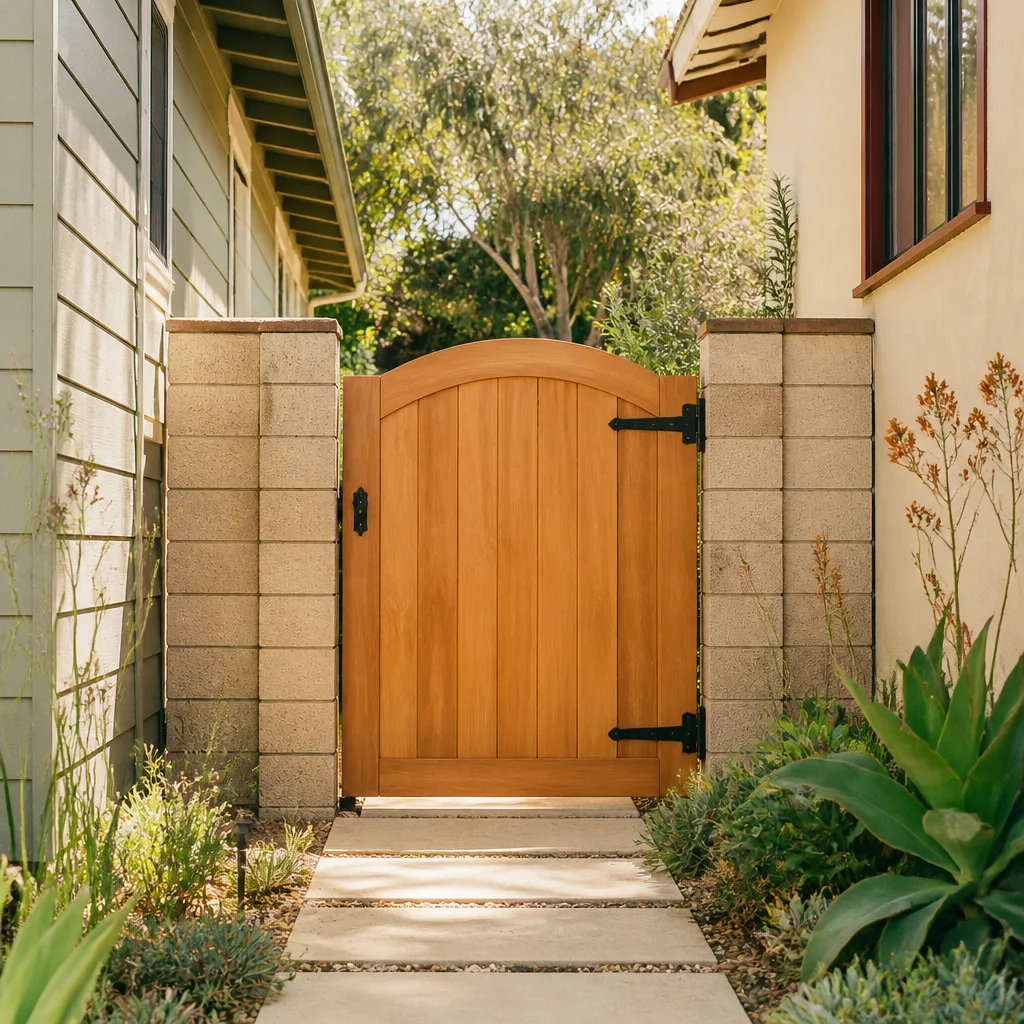
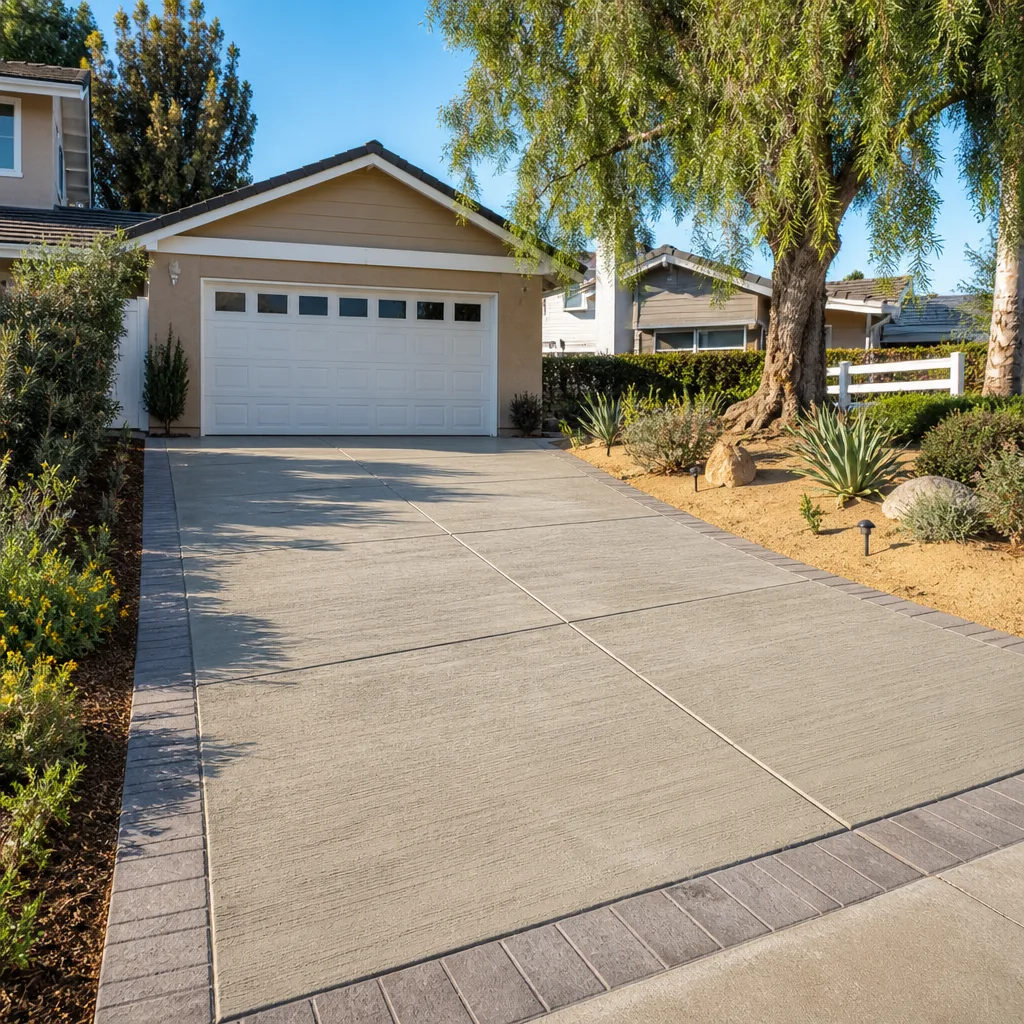
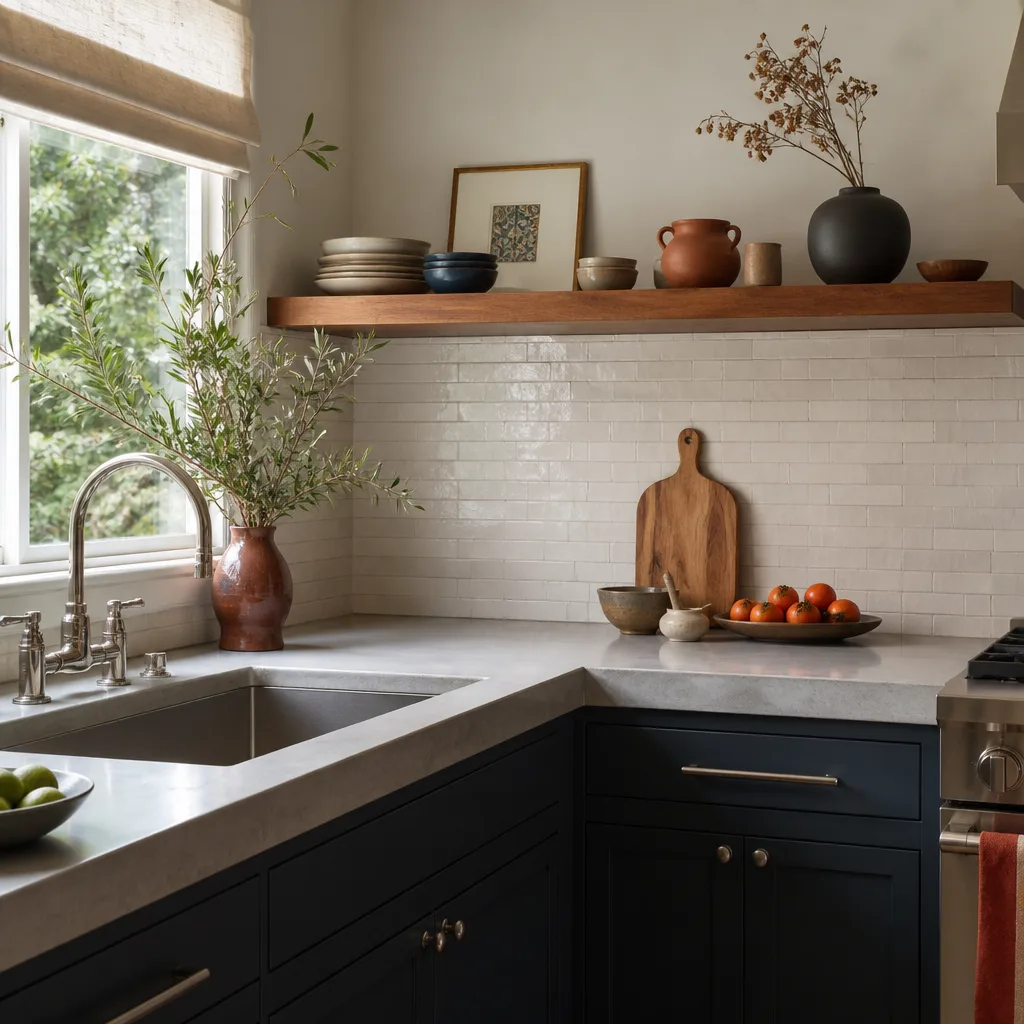
Free written scope consultation - allowances, timeline, and change-order rules on paper before a single trade is scheduled
DIY vs Professional Construction: The Pomona Homeowner’s Decision Guide
Most homeowners think the DIY-versus-professional question comes down to skill. It doesn’t. The real decision is about permit exposure, warranty voidance, and liability, and in California that liability can follow a house for years after the project looks finished. State seller disclosure rules require you to disclose unpermitted work when you sell, including work you did yourself and later forgot about. Buyers in Pomona’s market are increasingly ordering permit history reports that catch exactly that kind of gap. This guide walks through where DIY pays off, where it quietly costs you, and how to structure a hybrid project that keeps your permits and warranties intact.
Quick Answer
Do the finish work yourself only when the task needs no permit, touches no structural, electrical, plumbing, or gas system, and doesn’t void a manufacturer warranty. Everything else – roofing, windows and doors, additions, ADUs, kitchen and bath remodels, driveways, and fences – belongs with a licensed contractor who pulls the permits, passes the inspections, and installs to the manufacturer’s specification. The dividing line isn’t how handy you are. It’s whether the work creates a record, a warranty, or a liability that outlives the weekend you spent on it.
Styles & brands we work with
- Kitchen remodeling
- Bathroom remodeling
- Home additions & ADU
- Roofing
- Windows & doors
- Driveway & pavers
- Fence
Table of Contents
- The Permit Exposure Nobody Warns You About
- Where California Limits Owner-Builder Work
- How DIY Installation Voids Manufacturer Warranties
- The Real Cost of DIY in Pomona
- Projects That Are Genuinely Good DIY Candidates in Pomona
- How to Structure a Hybrid Project
- Why Name-Brand Materials Change the Math
- When to Call a Professional
The Permit Exposure Nobody Warns You About
California’s transfer disclosure requirements mean unpermitted work becomes a selling problem, not a building problem. When you list a house in Pomona, you complete a disclosure statement that asks about alterations and additions and whether permits were obtained. If you converted a garage, added a bathroom, or built a patio cover without a permit, that answer has to reflect it. Buyers and their agents request permit history from the city, and a gap between what the listing shows and what the city has on file is one of the fastest ways to lose a sale or renegotiate a price.
The trouble is that unpermitted work compounds. A previous owner’s unpermitted conversion can surface when you sell, even if you didn’t build it. So can yours from five years ago. Insurance is the second half of the exposure: if a fire or water loss traces back to unpermitted electrical or plumbing work, a carrier can question the claim. And when you do go to permit a later project, the city may require you to legalize the earlier unpermitted work first, which turns a straightforward remodel into a correction job.
What to check before you pick up a tool:
- Ask the City of Pomona’s building department whether your project needs a permit. Most structural, electrical, plumbing, gas, and mechanical work does.
- Request the property’s permit history before you buy or before you build, so you know what’s already on record.
- Keep every inspection card and final sign-off in a folder. It’s the cheapest insurance you’ll ever buy on a resale.
This is the part of the decision most DIY guides skip. The work that looks fine on a Saturday afternoon can be the item that stalls a sale years later.
Where California Limits Owner-Builder Work
California lets homeowners act as their own contractor on their own residence, but that exemption has limits that catch people off guard. The owner-builder route is intended for a property you actually live in, and it doesn’t cover hiring unlicensed people to do the work for you. If you take the owner-builder role and bring in unlicensed workers, you take on the liability for their mistakes, their injuries, and their employment status. That’s a very different risk profile than painting a bedroom.
Several project categories are practically off-limits to an owner-builder regardless of skill:
- New construction and additions that change the footprint or structural system, where engineering and inspections are part of the process.
- ADUs, which have their own local rules, plan checks, and utility connections. Our home additions & ADU work covers both site-built and factory-built options for exactly this reason.
- Electrical service changes, panel work, and gas line work. These need licensed trades and inspection, and mistakes are genuinely dangerous. Treat them as professional-only.
- Roofing and window replacement on most homes, where the permit and the manufacturer’s installation method are linked.
- Any work on a property you rent out or don’t occupy, where the owner-builder exemption generally doesn’t apply.
If your project touches the building envelope or a utility system, assume it needs a licensed professional and a permit. The rest of this guide is about the projects where the answer is genuinely more open.
How DIY Installation Voids Manufacturer Warranties
Manufacturer warranties on building products almost always require installation by a qualified or licensed professional, following a published method. Skip that and the material warranty narrows or disappears, even though you paid full price for the product. This is the hidden cost of DIY that doesn’t show up until something fails.
Consider a few examples. If you install James Hardie siding yourself without following the published fastening, flashing, and clearance details, you’re outside the installation requirements the warranty depends on. Roofing is even stricter: a GAF or CertainTeed system warranty generally expects installation by a properly licensed contractor, and the enhanced system warranties usually require a certified installer. The shingles might be the same shingles, but the coverage isn’t.
A few more that come up often in Pomona:
- Windows and doors: factory warranties commonly tie coverage to professional installation and correct flashing.
- Decks and exterior structures: Trex and similar decking brands publish detailed installation requirements for spans, fasteners, and ventilation. Deviate and the finish warranty can be denied.
- Cabinetry and countertops: KraftMaid, Cambria, and similar brands expect installation by qualified installers, and a self-installed countertop with a bad seam is a warranty problem, not just an aesthetic one.
The pattern is consistent: the material is only as good as the installation method behind it. That’s why we install to manufacturer specification and match the product to the warranty tier that fits the job. Construction Pomona works from a roster of brands with published installation standards, so the warranty travels with the finished work instead of dying in the driveway.
The Real Cost of DIY in Pomona
DIY looks cheaper because you only count the materials. The honest math includes tool rental, material waste, disposal, and your time. In our experience, the gap between DIY and professional cost is much smaller than the sticker price suggests, and for a project that needs permits, it usually disappears entirely.
Here’s what typically gets left out of the DIY budget:
- Tool and equipment rental: tile saws, compactors, rotary hammers, and scaffold. They can run for several days on a real project.
- Material waste: first-time cuts and miscalculated quantities mean buying extra tile, lumber, or pavers, and paying for disposal or a dumpster.
- Your time: a three-week bathroom remodel with 40 hours of your own labor spread across weekdays isn’t usually worth saving a few thousand dollars of professional labor, especially when you factor in the permit and warranty risk.
- Redo costs: a failed waterproofing job or a mis-set paver base means tearing out and paying twice.
- Insurance and permit costs: professional pricing includes pulling permits and carrying liability coverage. DIY skips those only until something goes wrong.
How the cost lines up against Pomona contractor rates
A rough way to decide: if your honest all-in DIY number is within a modest percentage of a professional quote for a permitted project, take the professional. You get the warranty, the inspection record, and the time back. If the project is small, unpermitted, and cosmetic, the DIY number usually wins clearly. Use the written estimate as your benchmark. It sets the price per job, so the comparison is real rather than an internet average.
Projects That Are Genuinely Good DIY Candidates in Pomona
Plenty of work around a Pomona home is fine to tackle yourself. The test is simple: no permit, no structural or utility risk, and no manufacturer warranty to void. Interior painting is the clearest example. So is basic landscaping, garden bed work, and planting, which need no inspection and hurt nothing if you learn as you go. Swapping cabinet hardware, changing a light fixture on an existing circuit, pressure-washing, and assembling flat-pack shelving all fall in the same bucket.
Pomona’s climate is forgiving for this kind of work. Winters are mild, so exterior painting and touch-up work aren’t racing a freeze, and you can spread a painting project across a few dry stretches without worrying about cold-cure problems. Summer heat is the real limiter, so plan exterior projects for the cooler stretches of the day.
A practical shortlist of good DIY candidates:
- Interior painting: walls, ceilings, trim, and closet interiors. Low risk, high payoff.
- Basic landscaping: soil prep, planting, mulch, and small garden structures that don’t need a permit.
- Cosmetic swaps: cabinet hardware, faucet cartridges where you’re comfortable with the shutoff, light fixtures on existing wiring.
- Cleaning and maintenance: gutters on accessible single-story roofs, caulking, and seasonal upkeep.
- Furniture assembly and closet systems that hang on drywall and plug into a standard outlet.
What’s not on this list: anything that opens a wall, moves a drain, adds a circuit, changes the roofline, or gets installed under a manufacturer warranty. Those aren’t about skill. They’re about records and coverage.
How to Structure a Hybrid Project
A hybrid project splits the work by risk instead of by preference. The licensed contractor owns the permitted scope: the structural work, the trades, the inspections, and the manufacturer-warranted installations. The homeowner owns the finish work that doesn’t touch a permit or a warranty. Done right, you get the professional record you need and the satisfaction of doing the parts you’re actually equipped to do.
Here’s a step-by-step way to set it up:
- Define the permitted scope first. Get a written scope and line-item estimate that clearly separates permitted work from finish work. That single document is what keeps the hybrid clean.
- Pull the permits on the licensed scope. Roofing, windows, additions, electrical, plumbing, and structural work should sit entirely with the contractor’s permit.
- Confirm warranty boundaries. Ask which products require professional installation to keep their coverage, and keep your own hands off those.
- Reserve finish work for yourself. Painting, trim caulking, hardware, landscaping, and cleanup are fair game after inspection.
- Sequence it correctly. Do your finish work after the inspections pass and the contractor signs off, so you never cover up something an inspector needs to see.
- Keep the paperwork. Store the permit, the inspection sign-offs, and the warranty documents together for resale.
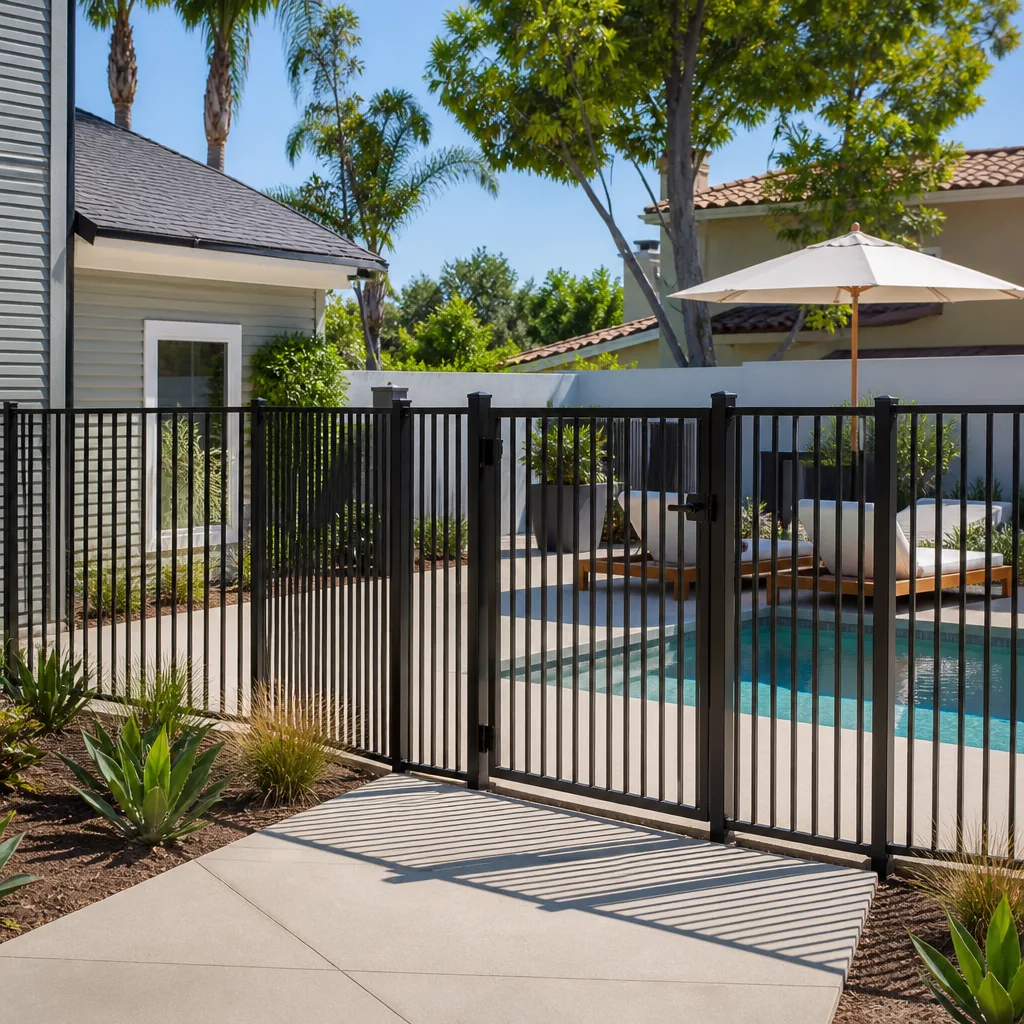
For a bigger project, the same logic applies to material selection. Our driveway & pavers and fence installation work both run on brands with published engineering specs and warranty programs, which means the material side is handled to standard while you keep the cosmetic choices. That’s the hybrid working as intended.
Why Name-Brand Materials Change the Math
Brand choice affects the DIY decision more than most people realize. When a product carries a published installation method and a real warranty, its value depends on how it’s installed. Choose a brand with clear specifications and install it correctly, and you have something that protects you at resale. Install it outside spec, and you’ve paid for a warranty you can’t use.
That’s the reasoning behind sourcing from a curated roster rather than whatever is on sale. For an ADU, it’s the difference between a site-built addition and a prefab unit from a partner like Plant Prefab, where the factory controls the assembly and the on-site work is predictable. For a roofing or siding project, it’s matching GAF, CertainTeed, or James Hardie to the installation requirement and warranty tier that fits your home. For cabinetry and finishes, it’s the same story: KraftMaid and comparable brands expect qualified installation, and the coverage follows the installation, not the box.
The practical takeaway: pick the material for the job, then let a professional install it. Both halves have to match before the warranty means anything.
Common Mistakes to Avoid
- Starting a permitted project without the permit. Pomona’s building department needs to see the work at the right stages, and skipping that creates a disclosure problem at resale.
- Assuming the owner-builder exemption covers hired help. It doesn’t. Bringing in unlicensed workers shifts their liability to you.
- Installing a warranted product yourself and expecting full coverage. Roofing, siding, windows, and decking warranties generally require qualified installation.
- Budgeting only for materials. Tool rental, waste, and disposal regularly add to the DIY total, and a redo doubles it.
- Skipping the permit history check before buying. An unpermitted conversion from a previous owner becomes your problem when you sell.
- Doing finish work before inspections. Paint over what an inspector needs to see and you’ll be removing it later.
- Choosing a brand by price alone. Match the product to its installation requirement and warranty tier, then compare the install cost.
See the difference
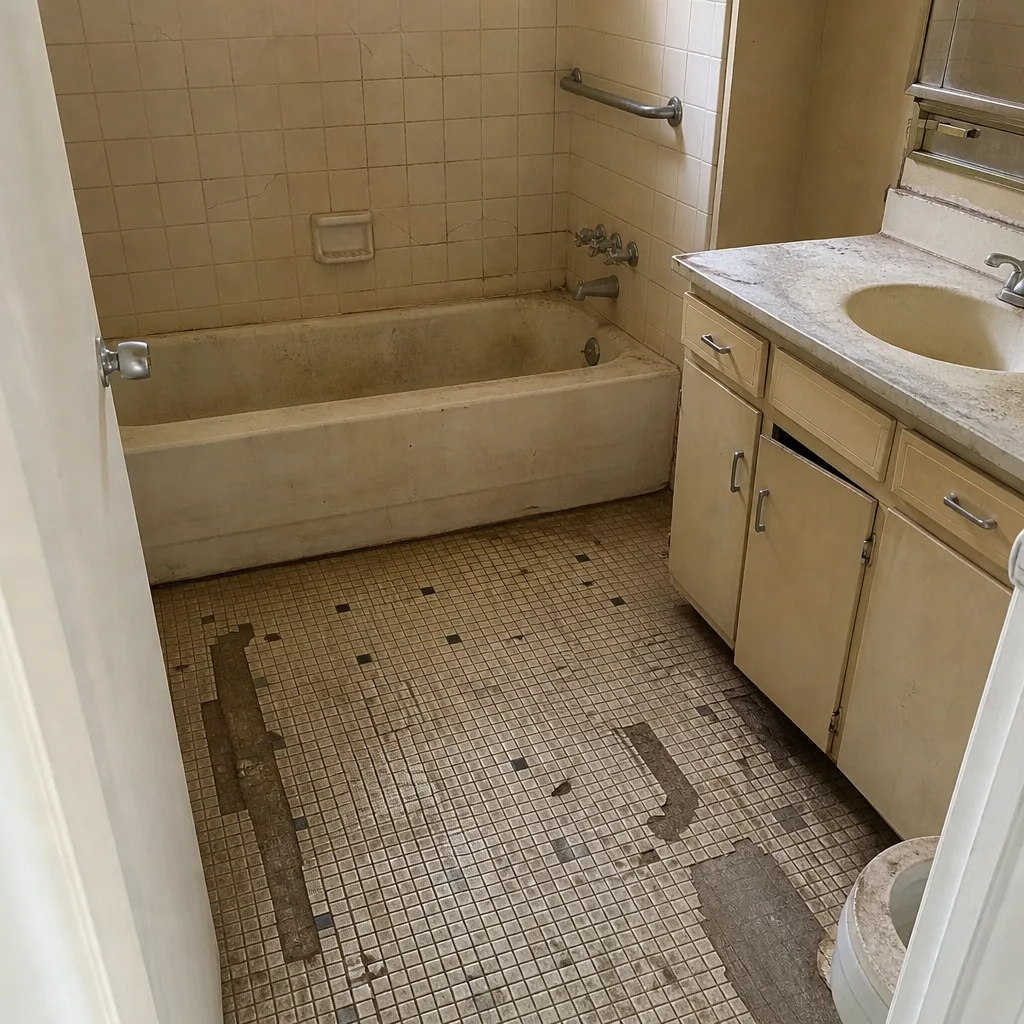 Before
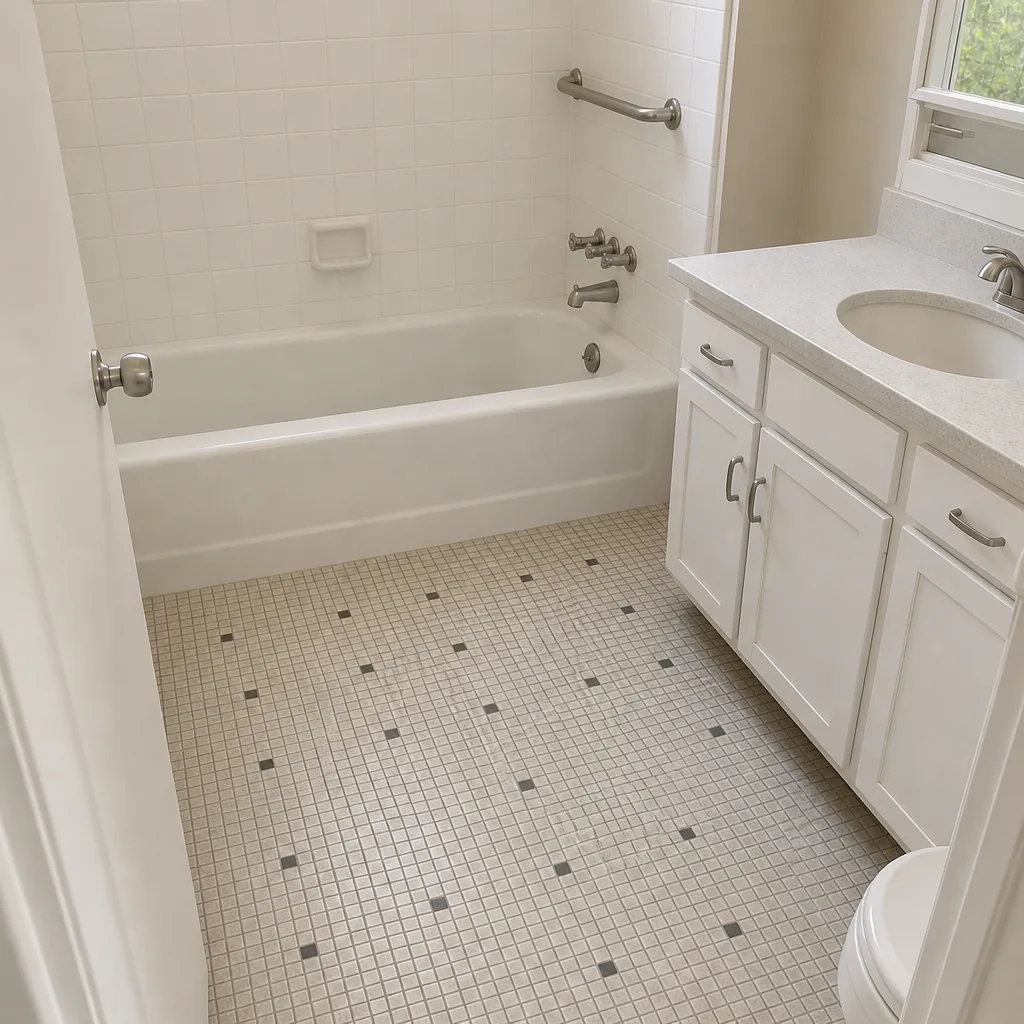 After
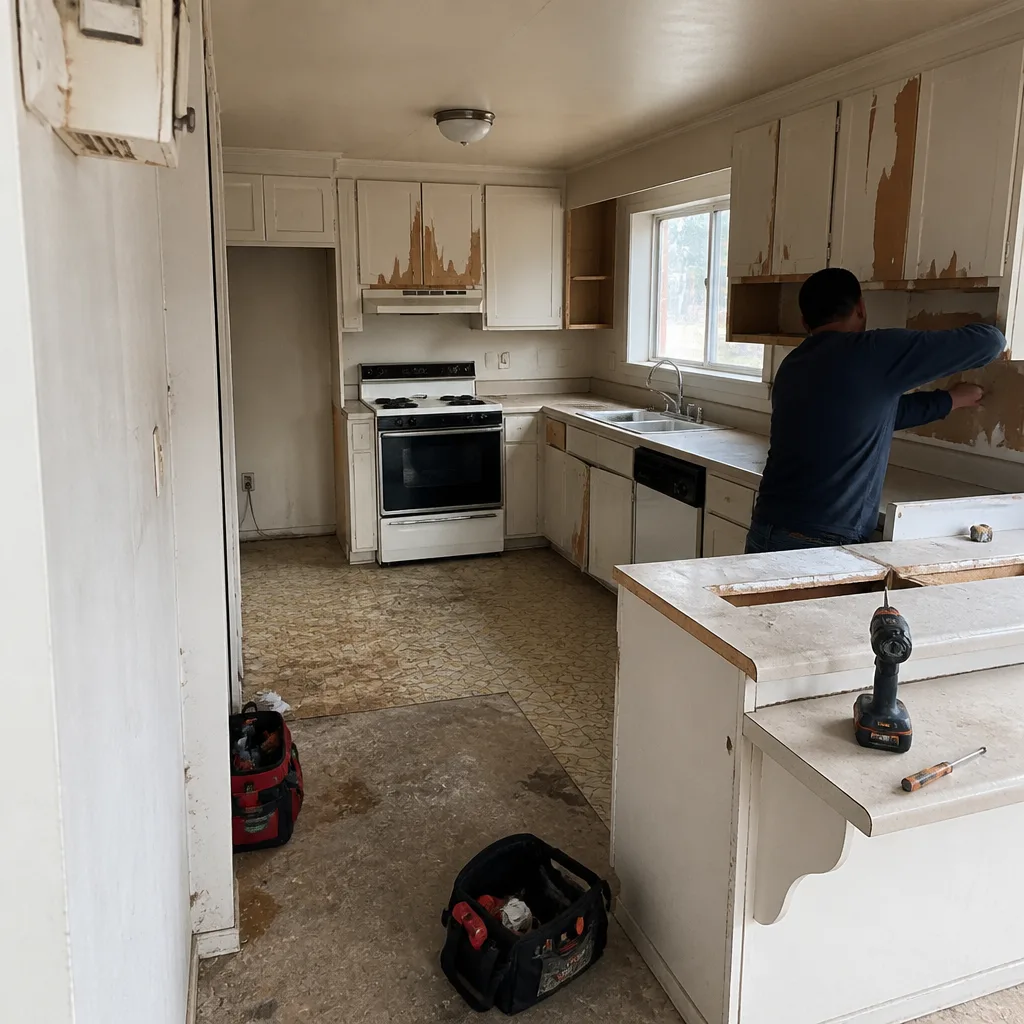 Before
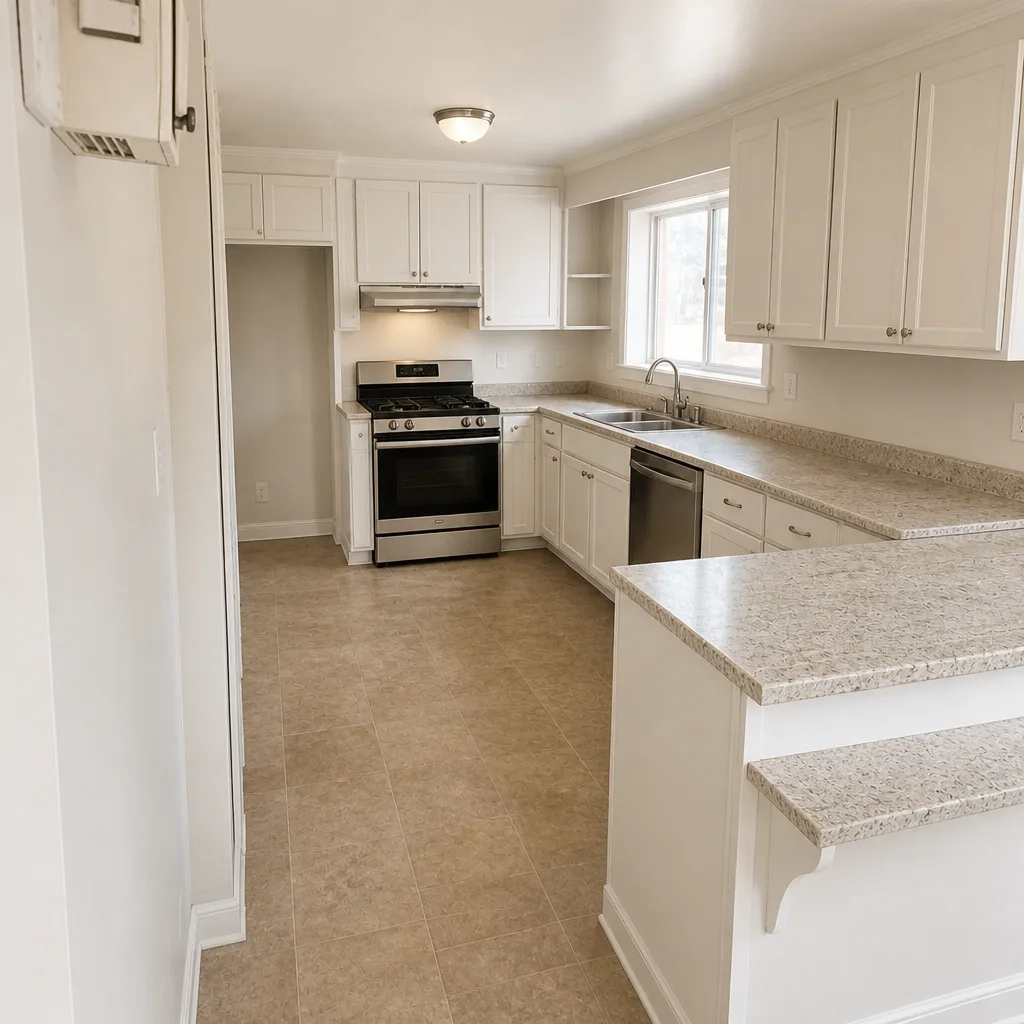 After
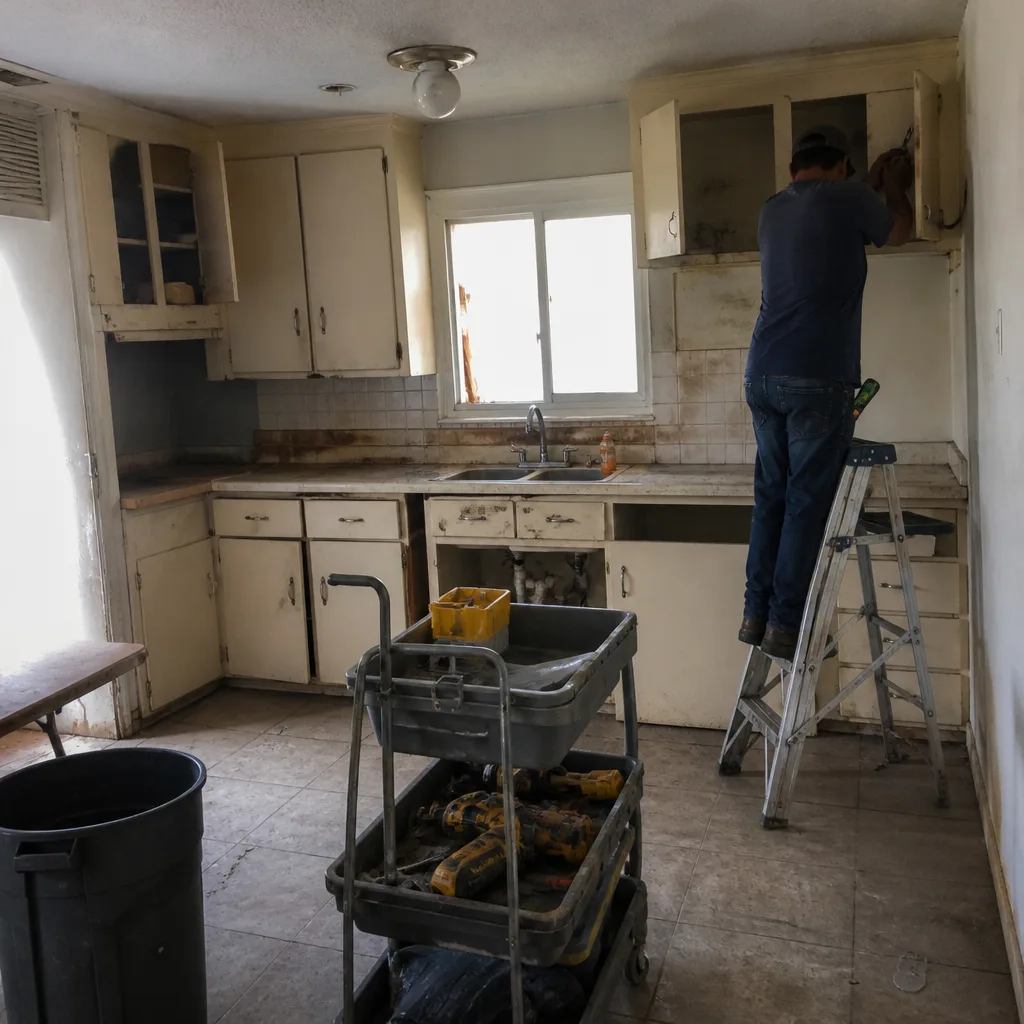 Before
 After
When to Call a Professional
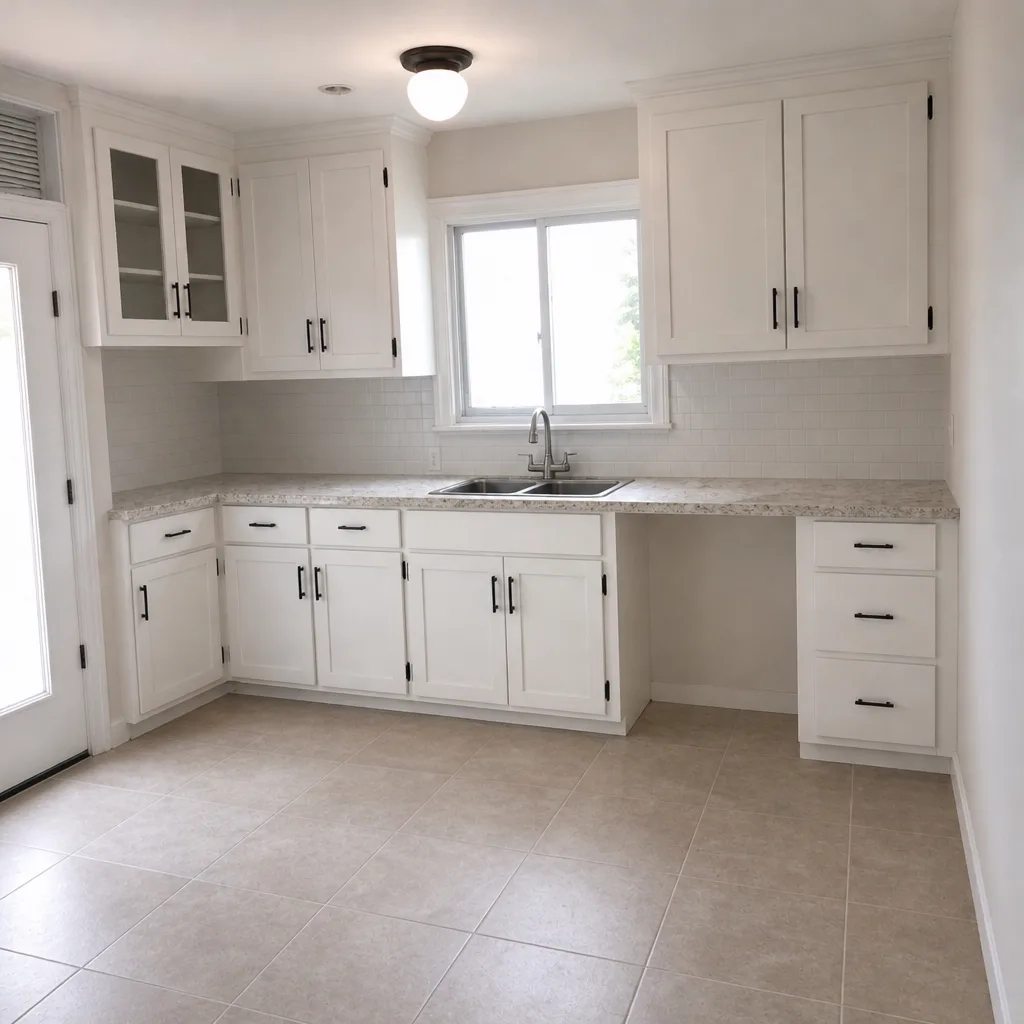
Call a professional when the project needs a permit, touches electrical, plumbing, gas, or structural systems, replaces a warranted product, or changes the footprint of the home. That covers roofing, windows and doors, additions, ADUs, kitchen and bath remodels, driveways, and fences. It also covers any project where you can’t document the installation method for a manufacturer warranty. A kitchen or bath remodel in particular hides plumbing and electrical behind the walls, and a mistake there is expensive to unwind.
Construction Pomona offers free estimates in Pomona. Call (844) 320-5194. We answer 24/7. Fast dispatch from 7am to 7pm, Sunday through Friday. Our technicians have up to 8 years of experience, and we write the scope as a line-item estimate so you can see exactly where the permitted work ends and your finish work begins.
Frequently Asked Questions
Yes, on your own primary residence, under California’s owner-builder exemption, but only for work you do yourself and only within that exemption’s limits. It does not let you hire unlicensed workers, and it doesn’t remove the permit requirement. ADUs, additions, service electrical, and gas work should go to a licensed professional.
Yes. California’s transfer disclosure requirements ask about alterations and permits, and buyers increasingly order permit history reports that reveal gaps. Call (844) 320-5194 if you want a free estimate to permit or correct work before you sell.
Often, yes. GAF, CertainTeed, James Hardie, and similar brands tie coverage to qualified professional installation following the published method. Installing it yourself can narrow or void the warranty even though you bought the same product.
There’s no single figure, because the price is set per job by the written estimate. Compare your all-in DIY number – materials, tool rental, waste, disposal, and your time – against a line-item quote. For permitted work, the gap is usually smaller than the sticker price suggests.
Interior painting, basic landscaping and planting, cabinet hardware, light fixtures on existing circuits, and seasonal maintenance. Anything needing a permit, moving a utility, or carrying a manufacturer warranty belongs with a licensed professional.
Yes, and it’s the cleanest way to split a project. Keep the permits, trades, and warranted installations in the contractor’s scope, then do your painting and finish work after inspections pass. Call (844) 320-5194 to get the scope separated in a written estimate – estimates are free.
The Bottom Line
The DIY-versus-professional call isn’t about how handy you are. It’s about whether the project creates a permit record, a warranty, or a liability that outlives the work. Paint and landscaping are yours. Roofing, windows, additions, ADUs, kitchen and bath remodels, driveways, and fences belong with a licensed contractor who pulls the permits and installs to manufacturer specification. A hybrid approach gets you both: the professional record where it matters, and your own finish work where it’s safe. Take the free estimate, compare it against your honest DIY number, and decide from there.
Call (844) 320-5194 for a free estimate on any project in Pomona. We answer 24/7. Fast dispatch from 7am to 7pm, Sunday through Friday.
Written by the team at Construction Pomona.