Last updated November 18, 2026




Free written scope consultation - allowances, timeline, and change-order rules on paper before a single trade is scheduled
How to Hire a Construction Contractor in Pomona: A Step-by-Step Guide
Two bids for the same Pomona kitchen can land $13,000 apart and both be honest. One contractor quoted luxury vinyl plank and stock cabinets; the other quoted hardwood and semi-custom cabinetry. Neither wrote the swap on the page, so the number in the email looked like a difference in price when it was really a difference in the job. The standard advice to “get three bids” fails here for exactly that reason: it assumes every proposal is quoting identical work. This guide teaches you to read behind the number, starting with a scope document you build before anyone quotes, then CSLB license checks, contract red flags, and payment schedules that protect you. By the end you’ll know how to compare Pomona contractors on what actually matters.
Quick Answer
To hire a construction contractor in Pomona, first write a detailed scope document that lists materials, brands, quantities, and who pulls the permit. Then verify the contractor’s license on the California State License Board (CSLB) website and confirm the classification covers every trade in your project. Collect at least three written bids against that single scope, compare them line by line rather than by bottom line, and sign a contract with a clear payment schedule, a change order threshold, and named permit responsibility. That process, not the number of bids, is what protects your money.
Styles & brands we work with
- Kitchen remodeling
- Bathroom remodeling
- Home additions & ADU
- Roofing
- Windows & doors
- Driveway & pavers
- Fence
Table of Contents
- Step 1: Build the Scope Document Before You Solicit Bids
- Step 2: Verify the License the California Way
- What CSLB Classifications Mean for Multi-Trade Projects
- Reading the Contract: Lien Waivers, Change Orders, and Permits
- Step 3: Evaluate the Contractor’s Material Partners
- Payment Schedules That Protect You Without Stalling the Job
- How to Compare Bids Line by Line
- Pomona Context: Climate, Housing Stock, and Neighborhood Reality
Step 1: Build the Scope Document Before You Solicit Bids
This is the single highest-leverage thing you’ll do, and almost no homeowner does it. A scope document is a plain document, two to five pages, that describes exactly what you want so that every contractor bids the same job. Without one, you’re not comparing bids. You’re comparing the assumptions each contractor made when they filled in your blank.
Your scope document should contain:
- Room-by-room or area-by-area measurements, including square footage of floor, wall, and ceiling surfaces to be touched.
- Material categories with brands or performance tiers named. “Mid-grade quartz, name brand” is vague. “Cambria or equivalent quartz, 3cm, eased edge” is a bid-ready line.
- Fixtures and hardware listed with a brand and model where you have a preference. If you’ve settled on a Kohler faucet, say so; otherwise specify a tier and let the contractor propose a Moen or Delta alternative with pricing.
- What is explicitly out of scope – painting the rest of the house, moving the outlet, replacing the subfloor if it’s sound. Exclusions are as important as inclusions.
- Permit responsibility: who pulls it, who pays the fee, who handles inspection scheduling.
- Your timeline window and any constraints – a kitchen that must stay usable, a room that has to be finished before an event.
Hand the same document to every contractor you invite out. When the bids come back, you’ll find the gaps fast. One contractor will quote the quartz you named. Another will substitute a builder-grade surface and say nothing. That’s the moment the process starts working for you, and it works in Pomona just as well as anywhere.
Step 2: Verify the License the California Way
California is stricter than most states on contractor licensing, and that works in your favor if you use it. Every contractor working on a residential project over $500 in labor and materials must hold an active CSLB license. Verifying it takes about three minutes and eliminates most of the risk before money changes hands.
- Go to the CSLB license search and enter the contractor’s name or license number. This is the official state database, not a review site.
- Confirm the status reads “Active.” Suspended, expired, or “licensed in a different classification” are all disqualifiers.
- Check the classification. Class B (General Building) covers multiple trades and structural work. Class C specialties cover a single trade, like C-33 Painting or C-39 Roofing. A kitchen or ADU project needs a Class B general contractor or a properly licensed crew working under one.
- Confirm the business name on the license matches the name on your contract, and confirm the license is issued to the person or entity you’re actually hiring.
- Ask for proof of workers’ compensation insurance if the contractor employs anyone, and liability insurance covering the job. If they can’t produce it, ask why.
- Cross-reference the license on the bid to make sure no one swapped in a different entity between the sales call and the contract.
Run that check on every Pomona contractor you shortlist, even the ones referred by a neighbor. A reputable contractor will hand you the license number without hesitation and often hands over proof of insurance before you ask. Construction Pomona carries the licensing and insurance that Pomona residential work requires, and every activity in our scope document is written to that standard. You should verify ours exactly the way you’d verify anyone else’s – that’s the point.
What CSLB Classifications Mean for Multi-Trade Projects
A kitchen remodel is rarely one trade. It’s often plumbing, electrical, drywall, cabinetry, countertops, and finish carpentry, sometimes under one roof and sometimes spread across five. Understanding classifications tells you whether your contractor can legally handle the whole thing or is subcontracting specialist work.
Here’s how it maps for a typical Pomona project:
- Class B – General Building Contractor is the correct license for a whole-house remodel, an addition, or an ADU, because the project involves two or more unrelated trades and structural work. The Class B holder can self-perform or hire licensed subcontractors.
- Class C specialty licenses cover single trades. If you hire a C-39 roofer for a re-roof and a C-33 painter for the exterior, you’re the general contractor coordinating schedules, inspections, and the interface between the two – and if something goes wrong between them, no one owns it.
- Subcontractors on your job should be licensed in their specialty and ideally appear in the contract as named subcontractors. If your general contractor doesn’t name them, ask.
This matters because a multi-phase project, like a home additions and ADU build, sits squarely in Class B territory. One license holder accountable for the whole job is a structural advantage, not just a convenience. It means one point of contact at inspection time and one party responsible if a pipe and a cabinet collide. When you’re interviewing contractors in Pomona, ask directly: “Which trades will you self-perform, which will you subcontract, and how are the subcontractors licensed and insured?” A contractor who can recite the answer without pausing is telling you they’re set up for multi-trade work.
Reading the Contract: Lien Waivers, Change Orders, and Permits
The contract is where a good relationship turns into a legal one, and it’s where the fine print decides who absorbs the risk. Three clauses matter more than any other in California work.
Lien waiver language. In California, a contractor, subcontractor, or supplier who isn’t paid can file a mechanic’s lien against your property. Your contract should require the general contractor to collect conditional lien waivers from each subcontractor and supplier as payments are made, and to deliver them to you. Without that, you can pay your general contractor in full and still end up named in a lien because they didn’t pay their roofer. Ask for the waiver language in writing, not a verbal promise.
Change order thresholds. Every contract should state the change order process: who authorizes a change, who signs, and in what form. A change order threshold sets a dollar amount below which the contractor can absorb minor adjustments without a written change order, and above which nothing proceeds without your signature. Keep the threshold low and require written approval for anything above it. This is the clause that prevents a $2,000 overage from appearing on the final invoice as a surprise.
Permit responsibility clauses. The contract should name exactly who pulls the permit, who pays the permit fee, who schedules inspections, and what happens if an inspection fails. A contractor who says “the permit’s included” and then hands you the responsibility is telling you something. Read the clause, not the handshake.
Three more red flags specific to Pomona work:
- A large down payment demanded before any work begins. California practice leans toward small or no deposits for larger jobs, and a deposit over about 10% of the contract price is a warning sign.
- No written scope attached to the contract. If the contract doesn’t incorporate your scope document as an exhibit, ask for it to be added.
- “Materials at cost” without a receipt-sharing clause. Demand documentation of the actual invoice if you’re paying cost-plus.
Step 3: Evaluate the Contractor’s Material Partners
A contractor’s supplier relationships tell you how accountable they’ll be when the material fails. It’s not marketing. It’s a warranty chain. When a contractor installs a name-brand product they’re authorized to buy from a designated supplier, the manufacturer’s warranty runs cleanly from manufacturing through installation to you. When a contractor installs the same brand but sourced through a gray-market channel, or installs a house brand, you may have no warranty recourse at all.
What to ask:
- “Are you an authorized installer for this product?” For major systems, the answer should be yes, and the manufacturer’s website often confirms it.
- “What warranty does the product carry, and who backs it – the manufacturer, you, or both?”
- “Show me the same product in a completed installation.”
For a kitchen remodel, the client could settle the choice of a Kohler or Moen faucet, then build the spec around a specific model. That’s a good sign. For a bath, a specified Blanco sink or Delta shower trim keeps the materials story consistent from start to finish.
Our approach at Construction Pomona is to source from a curated roster of name-brand manufacturers across every category: KraftMaid and Wellborn cabinetry, Cambria, Silestone, and Caesarstone countertops, Kohler, Moen, and Grohe fixtures, GAF, CertainTeed, and Owens Corning roofing systems, and Belgard, Techo-Bloc, and Cambridge Paver hardscape. That roster isn’t a list of logos to show you. It’s a warranty and accountability chain. If a product with a published engineering spec installs to manufacturer standards, so does the warranty. If it doesn’t, we’re on the hook for the fix.
Payment Schedules That Protect You Without Stalling the Job
Homeowners are often told to “never pay more than 10% down,” and that’s good advice, but it’s only half the structure. The other half is how the remaining payments are tied to work completed. A schedule that protects you without creating cash-flow problems for a legitimate contractor follows a milestone structure, not a calendar.
A well-built payment schedule looks like this:
- Start payment: a modest amount at contract signing or project start, covering the contractor’s initial mobilization and first material order. Something in the 10% range is typical.
- Milestone payments: further payments released when defined phases are finished and inspected – demolition complete, rough plumbing and electrical passed inspection, cabinetry delivered and installed, and so on.
- Final payment: held until substantial completion and a final walkthrough, often including a “punch list” holdback of 5% to 10% that you release only after you sign off that the work is done.
This structure protects you two ways: your money is never far ahead of the work, and it gives the contractor a clear cash-flow picture so they can schedule labor and order materials without stalling. A legitimate contractor’s schedule will be specific about what milestones release which payments. If the schedule reads “50% on start, 50% on completion,” ask for it to be revised. There’s a middle ground that works for both of you, and a contractor who won’t discuss it is telling you something about how they’ll behave later.
How to Compare Bids Line by Line
Once you have three written bids against the same scope document, the work shifts from collecting numbers to reading them. Open all three proposals side by side and go through these comparisons in order.
- Compare materials line by line. Does the flooring match? Are the cabinets stock, semi-custom, or custom? Is the countertop the brand you specified or a substitute? Any bid that swaps a named brand for a generic without flagging it is a bid to renegotiate.
- Compare inclusions and exclusions. One bid may include hauling, one may not. One may include permit fees, one may pass them to you. Write down every difference.
- Compare permit responsibility. Whoever pulls the permit is the party at the inspection. Verify the contract and the bid agree on this.
- Compare the warranty. What does each contractor warrant on labor, for how long, and what do the manufacturer warranties cover?
- Compare timeline and sequencing. A bid that says “eight weeks” without a schedule isn’t a plan. Ask what happens when inspection slips or a material lead time moves.
- Compare the license and insurance attachments. A bid without them is incomplete.
The lowest bid is usually lowest for a reason. Sometimes that reason is a leaner material tier you’d be happy with. Sometimes it’s a subcontractor who isn’t licensed. The point of the line-by-line comparison is to know which it is before you sign. In Pomona, where a lot of homes date from the mid-century and are getting their first real renovation in decades, a low bid often means the contractor is assuming the walls are square and the plumbing is sound. Ask what they’re assuming. Then get it in writing.
Pomona Context: Climate, Housing Stock, and Neighborhood Reality
Local conditions shape a project in ways that don’t show up on a generic bid. Winters in Pomona are mild, and the heat of summer is more of a factor in exterior scheduling than the cold is. That matters for driveway and hardscape work and for roofing, where crews need to schedule around heat rather than around freeze-thaw. Your contractor should understand the local seasonality, not just the general one, when they’re building your timeline.
The housing stock changes the equation too. Homes across Pomona’s neighborhoods, from the older bungalows near the downtown stretch to the mid-century tracts, were built in different decades with different materials. A remodel in an older home often turns up original wiring, galvanized plumbing, or framing that doesn’t match today’s assumptions. A contractor who has worked in the area will factor this into the bid, either by including an allowance for what’s discovered behind the walls or by stating clearly that the scope ends at the wall surface. Either is fine. What isn’t fine is a bid that assumes the best-case wall without saying so.
Permit timelines and inspection pacing are the third local reality. Pomona projects go through the city’s building department, and that adds time to the schedule whether it’s a simple re-roof or an addition. A contractor who builds permit time into the bid schedule is being honest with you; one who quotes a two-week job that actually takes two weeks plus inspection is being optimistic.
If an addition or ADU is part of the plan, the local reality is even more concrete: lot constraints, setback dimensions, and utility connections all vary by parcel. Our team has worked through enough of these conversations in Pomona to know the questions to ask before you commit. That’s where an informed contractor relationship matters most – not in the sales pitch, but in the moment you need to understand what your specific lot can actually support.
Common Mistakes to Avoid
- Collecting three bids without a scope document. You’ll be comparing different jobs dressed up as the same one. Write the scope first, bid second.
- Taking the lowest bid without reading the materials list. A $13,000 gap is often a cabinet tier and a flooring swap. Both can be honest. Neither should be silent.
- Skipping the CSLB check because a neighbor recommended the contractor. Referrals are a starting point, not a license verification. Check anyway.
- Signing a contract without lien waiver language or a named subcontractor list. If a subcontractor goes unpaid, the lien can land on your property.
- Setting a payment schedule tied to dates instead of milestones. Dates slip. Completed phases don’t. Tie your money to what’s finished.
- Accepting a material substitution without documentation. If the brand changes, the warranty changes, and the bid should change with it.
- Assuming the permit is “handled” because no one mentioned it. Permit responsibility should be in the contract, in writing.
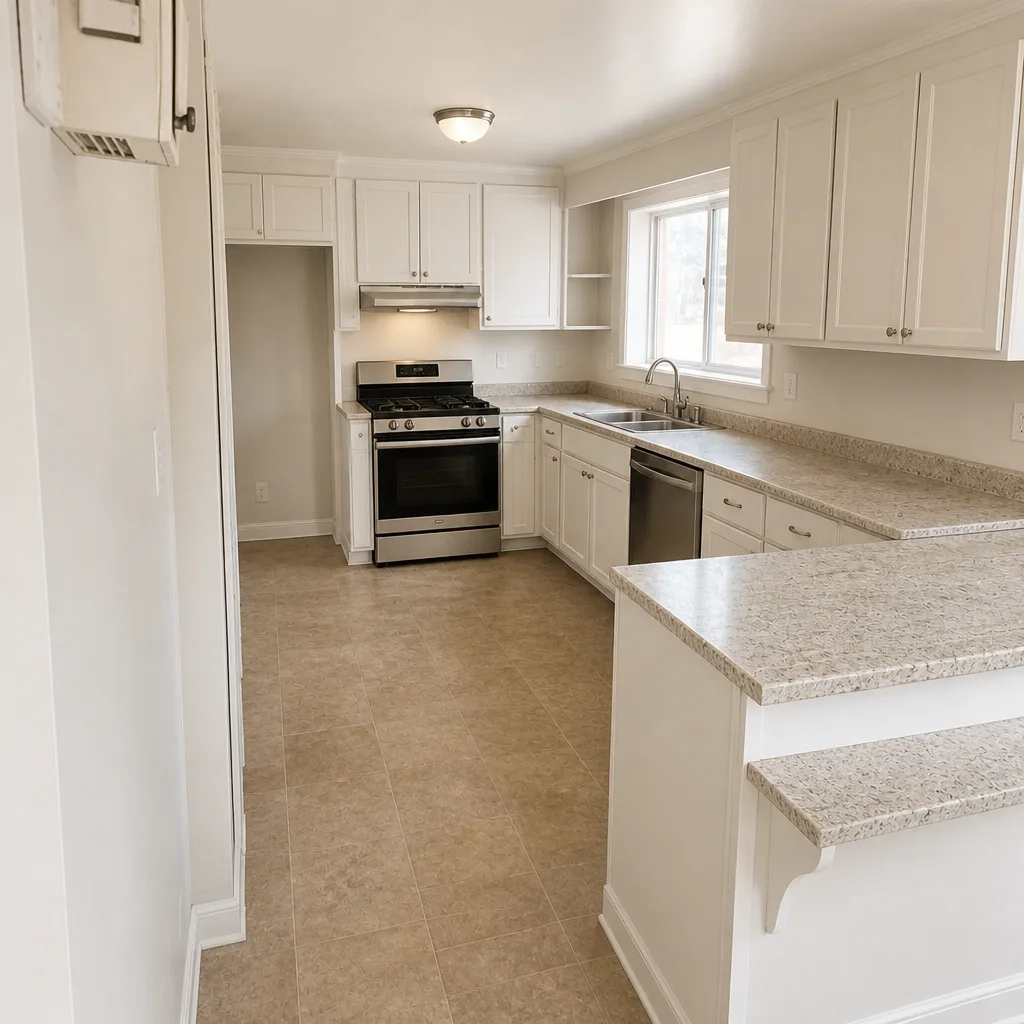
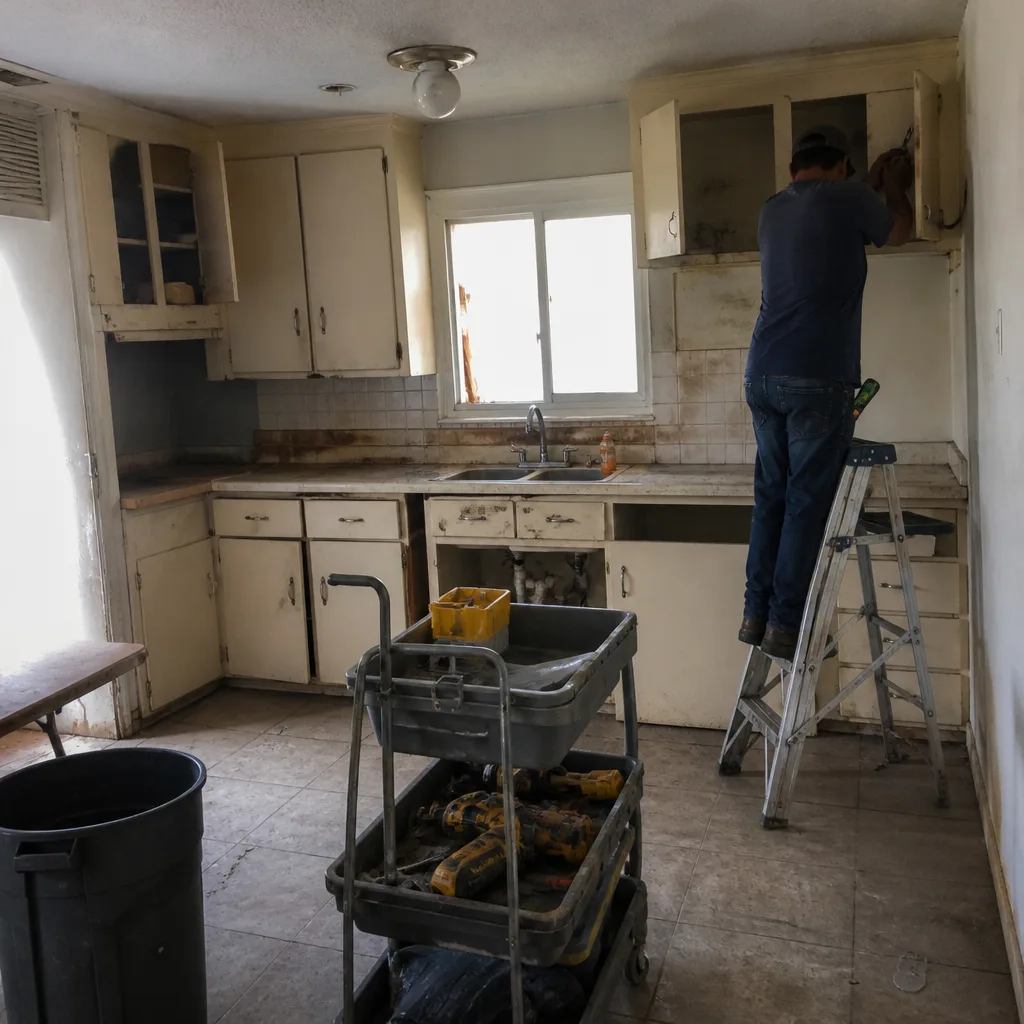
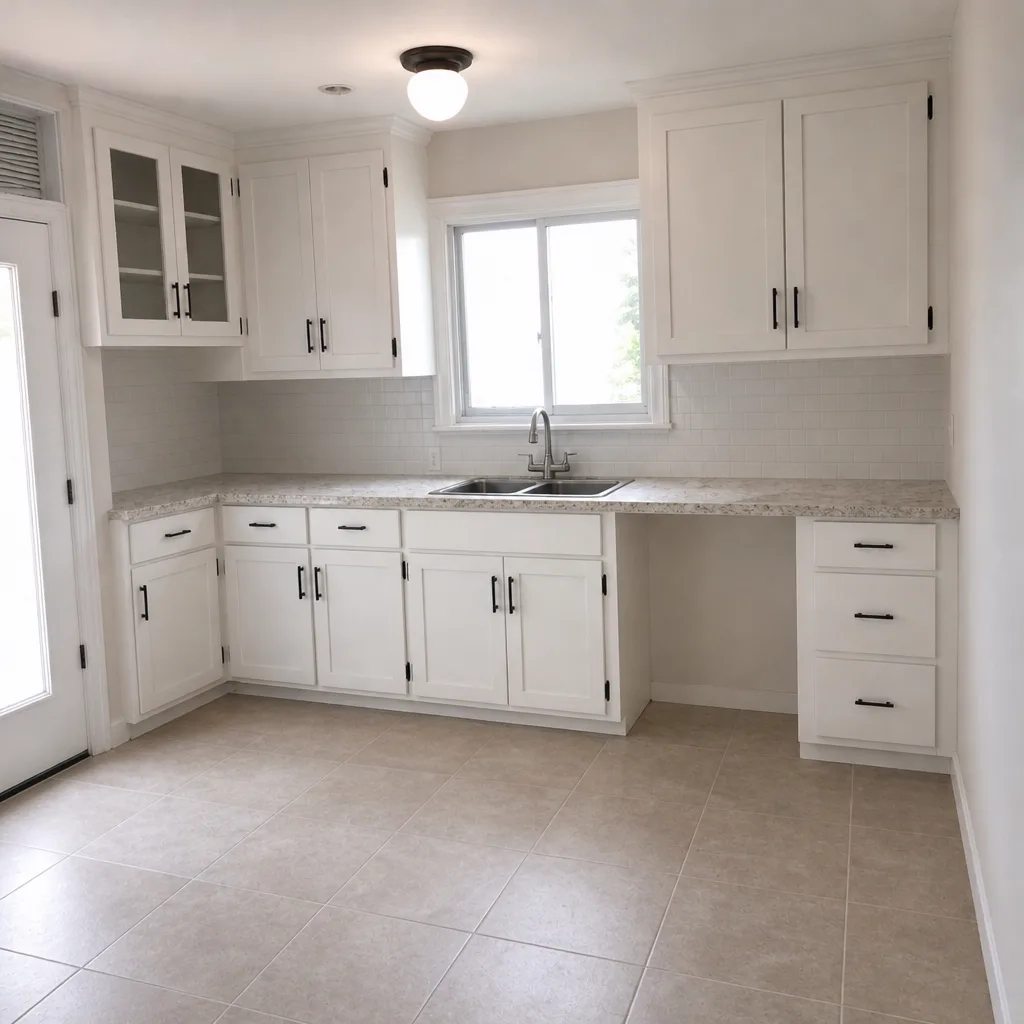
See the difference
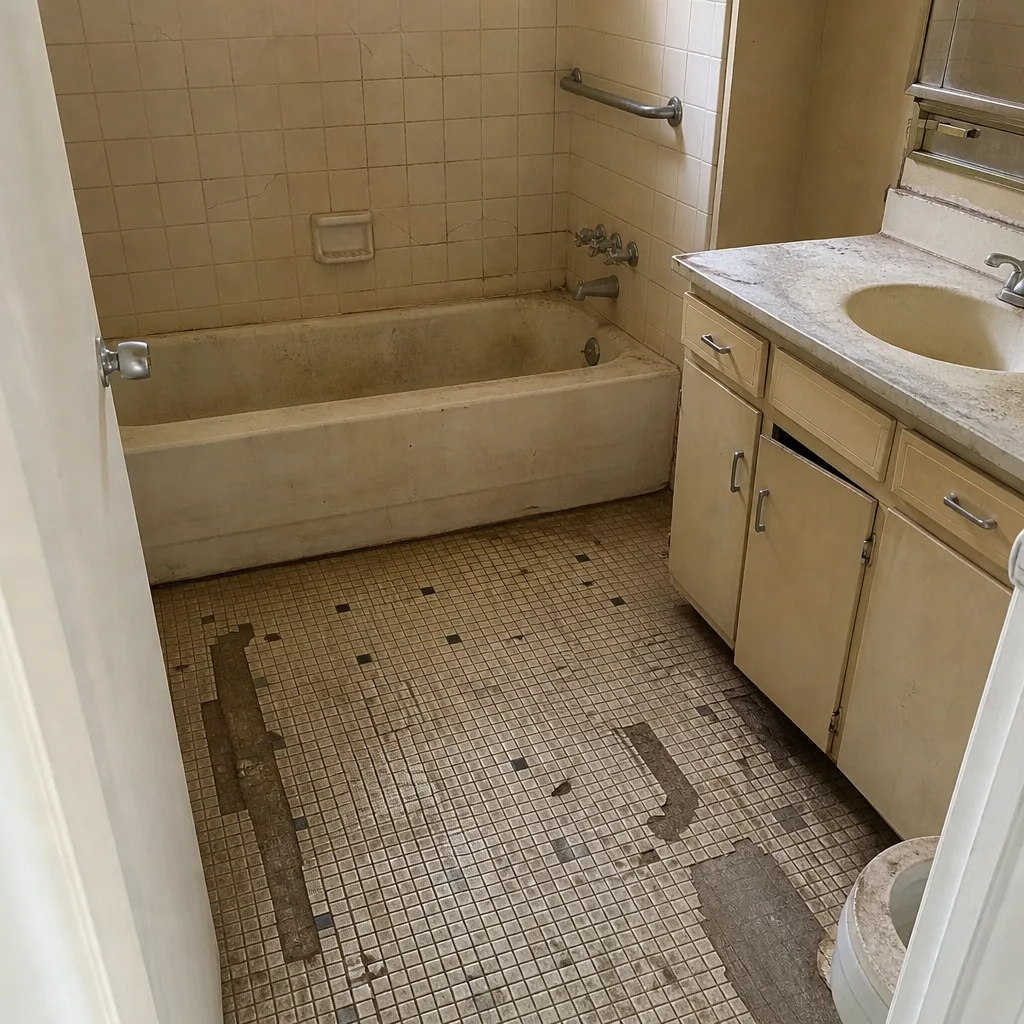 Before
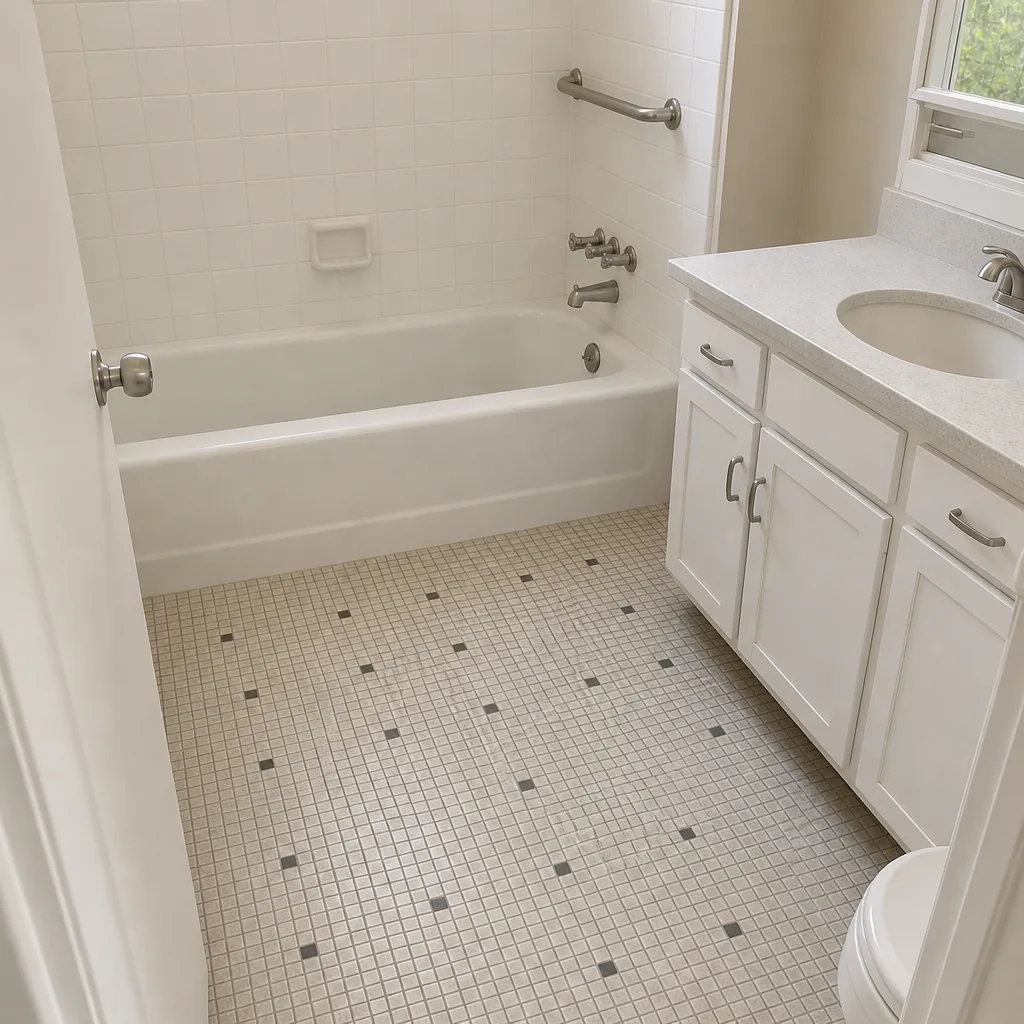 After
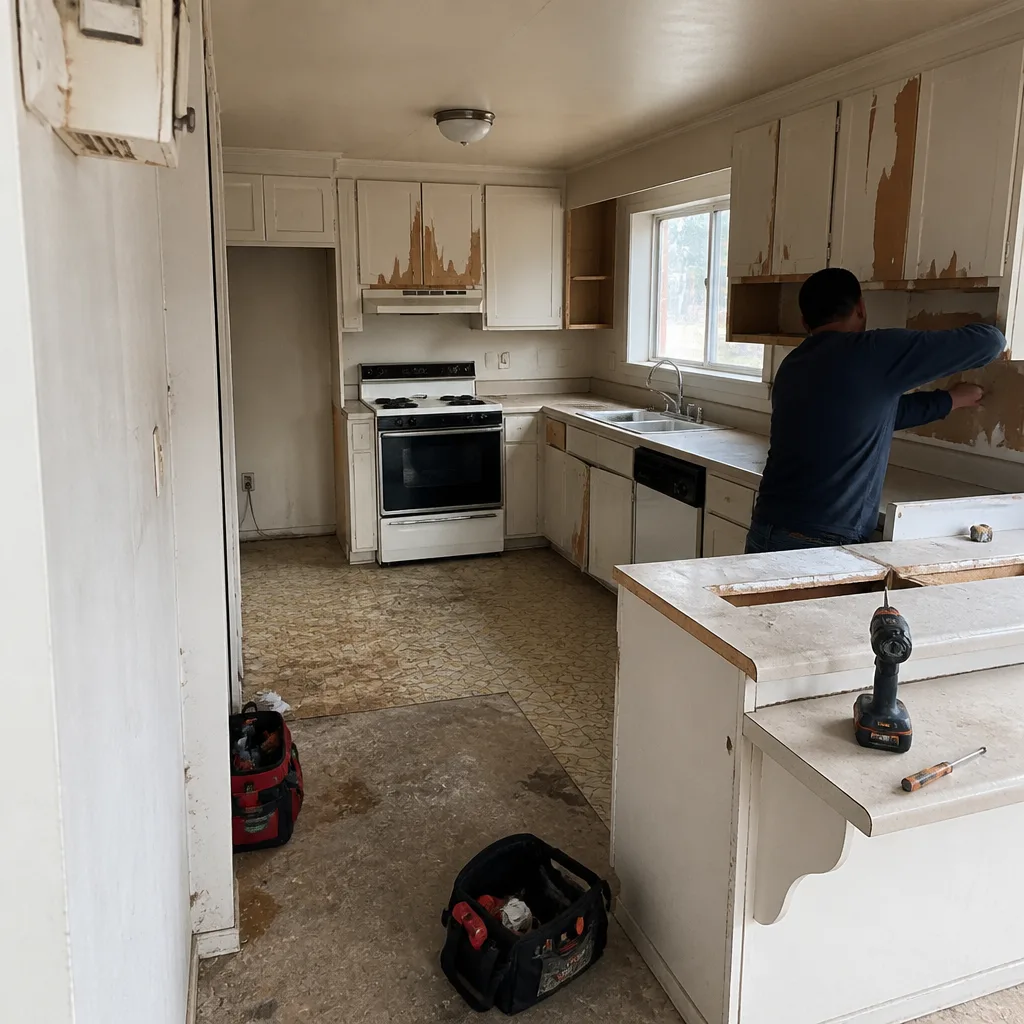 Before
 After
 Before
 After
When to Call a Professional
Some work is genuinely DIY-friendly: painting, basic shelving, swapping a light fixture. Much of what people ask about is not. If the job touches structural framing, moves or replaces plumbing or electrical service, involves pulling a permit, or is a roof, window, or addition on a home, it’s a professional’s job. California law also requires a licensed contractor for most residential work over $500 in labor and materials, so the “do I need one?” question is largely answered by the type of work. A contractor’s free estimate is also a great way to get a written scope for work you’re still deciding whether to do. Construction Pomona offers free estimates in Pomona – call (844) 320-5194. Our technicians have up to 8 years of experience, and every job is priced by a written, line-item estimate with no change orders without your sign-off.
Frequently Asked Questions

Search the contractor’s name or license number on the California State License Board (CSLB) website and confirm the status reads “Active” and the classification matches the work. For a kitchen, bath, addition, or ADU, that’s usually a Class B General Building license. Call (844) 320-5194 for a free estimate on your Pomona project.
Three written bids against the same scope document is the practical minimum. Fewer than three gives you no comparison, and more than three is usually diminishing returns. The value isn’t in the count – it’s in whether all three are quoting identical work. Call (844) 320-5194 to add a free Construction Pomona estimate to your comparison list.
Only after you’ve compared the bids line by line for materials, exclusions, permit responsibility, and warranty. The lowest bid is often the lowest because it’s quoting a leaner material tier or assuming sound plumbing behind the wall. If the difference is documented and you’re happy with the trade-off, take it. If it isn’t documented, ask why. Call (844) 320-5194 for a written, line-item estimate you can compare honestly.
A small start payment at signing, milestone payments released as phases are completed and inspected, and a final holdback of 5% to 10% released after your final walkthrough and punch list sign-off. The schedule should tie money to work completed, not to calendar dates. Call (844) 320-5194 for a free estimate and a clear payment schedule.
Look for a specific name and model, not a category. “Mid-grade quartz” is ambiguous; “Cambria quartz, 3cm, eased edge” is comparable. If the contractor substitutes a brand you didn’t ask for, ask whether the warranty still runs cleanly and whether the price should change. Call (844) 320-5194 to discuss a bid with a contractor who sources from named brands you can verify.
Timeline depends on scope, permit review, material lead times, and what’s behind the wall. A kitchen typically runs several weeks to a few months; an ADU or addition runs longer and includes a permit process through the city’s building department. A good bid includes a schedule, not just a duration. Call (844) 320-5194 for a free estimate and a realistic timeline.
The Bottom Line
The three-bid rule fails when nobody defines the job. A scope document written first, a CSLB check run second, and a contract read clause by clause is the sequence that turns comparison shopping into an informed hiring decision. Watch the materials tiers, the permit responsibility clause, the lien waivers, and the payment milestones. And keep one licensed relationship accountable for the whole project where you can, because coordinating five specialists on a single Pomona remodel is a job in itself. That’s the difference between a bid that looks cheap and a project that stays on budget. From the roofline to the driveway, that’s the standard we hold every job to at Construction Pomona.
Ready to get a written, line-item estimate? Call (844) 320-5194. We answer 24/7. Fast dispatch from 7am to 7pm, Sunday through Friday. Estimates are free, and the written estimate sets the final price.
Written by the team at Construction Pomona.