Last updated November 18, 2026
Free written scope consultation - allowances, timeline, and change-order rules on paper before a single trade is scheduled
The Complete Driveway & Pavers Guide for Pomona Homeowners
Most Pomona driveways that fail don’t fail at the surface. They fail at the base, six inches below the pavers, where the wrong aggregate depth or a missed drainage grade turns a beautiful install into a cracked, rutted mess. Yet almost every homeowner who starts shopping for pavers walks into a showroom looking at color samples first and structural questions second, if at all. This guide flips that order. You’ll learn how Pomona’s clay-heavy soil and dry summer heat change the rules for base preparation, drainage, and material choice, which paver lines hold up under vehicle load, and how permitting and slope planning work before anything gets ordered.
Quick Answer
A driveway done right in Pomona starts with a compacted aggregate base deeper than national guides suggest, because the local clay soil expands and shifts with moisture swings. Choose a concrete paver rated for vehicular traffic, plan drainage and slope before ordering a single pallet, and get the job permitted and installed by a licensed contractor. Soil prep and drainage decide whether the surface lasts; color and texture are the last decisions, not the first.
Styles & brands we work with
- Kitchen remodeling
- Bathroom remodeling
- Home additions & ADU
- Roofing
- Windows & doors
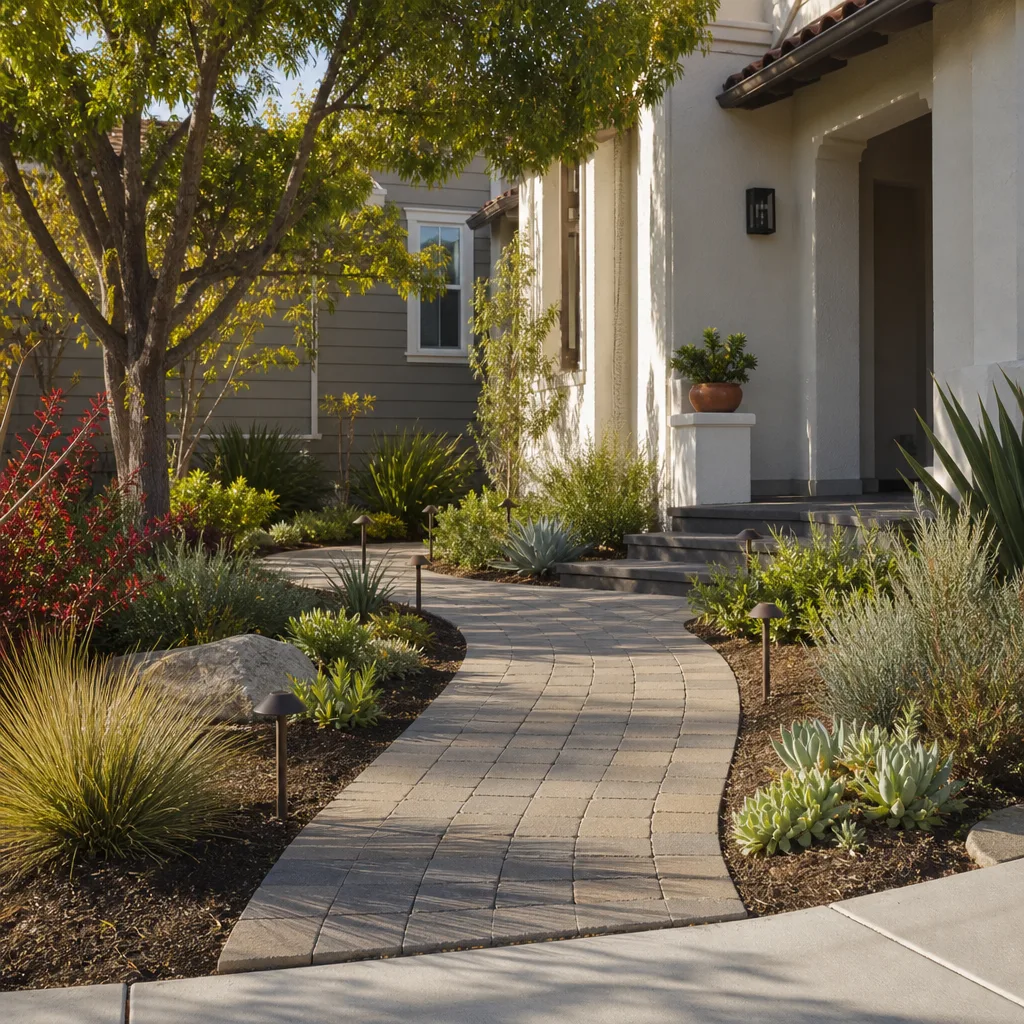
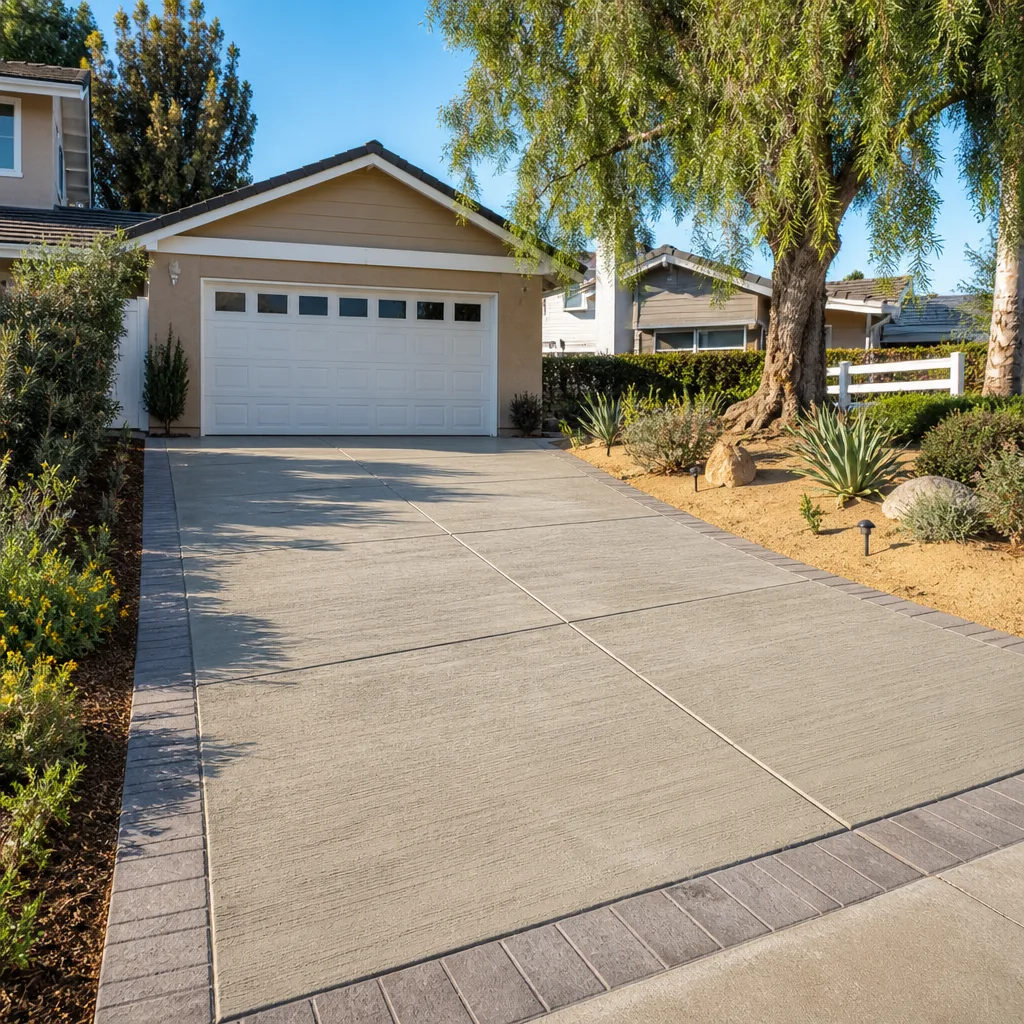
- Driveway & pavers
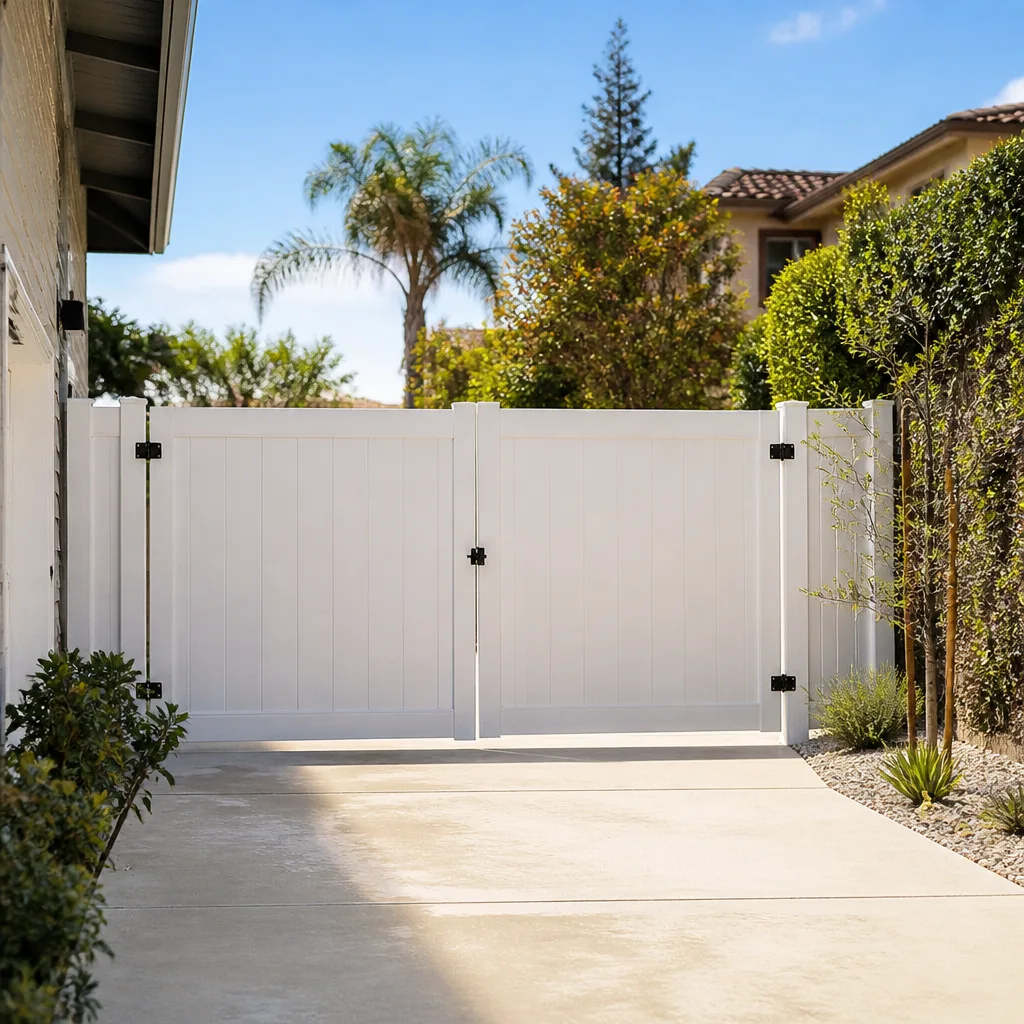
- Fence
Table of Contents
- Why Pomona Soil Changes the Base Depth
- Concrete Pavers vs. Natural Stone vs. Permeable Pavers
- Drainage and Slope: Plan Before You Order
- Which Paver Lines Hold Up Under Vehicle Load
- How a Proper Base Gets Installed: Step by Step
- Permits and Licensing for Driveway Work in Pomona
- What Paver and Concrete Driveways Typically Cost
- Keeping Your Driveway Looking New in Inland Empire Heat
Why Pomona Soil Changes the Base Depth
Pomona sits on expansive clay soils, the kind that swell when they get wet and shrink and crack when they dry out. Down here in the Inland Empire, that wet-dry swing is routine. A wet winter followed by a hot, dry summer loads and unloads the ground under a driveway over and over. Concrete slabs poured thin over that ground crack far sooner than most people expect, and stay cracked, because the ground beneath them is in motion.
Published national installation guides often specify a base depth calculated for stable, well-draining soils. Those guides aren’t wrong, they’re just general. In our experience, Pomona driveways need a thicker compacted aggregate base than a standard guide allows for, because the clay underneath demands more structural separation between the moving subgrade and the finished surface. That extra base layer spreads vehicle load and gives drainage a path that doesn’t depend on clay absorbing water it won’t.
If you’re comparing what different contractors quote, ask exactly how deep the base will be and how it will be compacted. A quote that only lists the paver brand and the finish is a quote that skipped the part deciding whether the job survives. This is the core of thedriveway & pavers conversation, and it’s the single decision that matters most on clay soil.
Beyond the base depth, the subgrade itself needs evaluation before work starts. Some Pomona yards have pockets of poor-draining soil, old buried debris, or settled areas from past grading. A short inspection of what’s actually under the driveway flags those early. Fixing subgrade problems during installation costs far less than tearing up finished pavers to reach them later.
Concrete Pavers vs. Natural Stone vs. Permeable Pavers
Under Pomona’s UV load and long hot summers, not every paver type ages the same way. Sun exposure, surface heat, and the thermal cycling between day and night all wear on materials differently. Here’s how the three main options compare.
Concrete Pavers
- Made from cement, aggregate, and pigment, pressed and cured for strength.
- Hold color well under UV and resist fading better than many people expect.
- Available in interlocking shapes that spread load and tolerate minor ground movement.
- Individual units can be lifted and replaced if one cracks or settles.
- Widest range of styles, so they match almost any home exterior.
Natural Stone
- Stone such as travertine or sandstone offers a distinctive look concrete can’t replicate.
- Heavier and denser, generally very durable under vehicle load.
- Can get hot in direct summer sun and some stone types need sealing.
- More expensive per square foot and demanding to set correctly.
- Harder to repair a single unit if one is damaged.
Permeable Pavers
- Designed with open joints or voids so water passes through to the base.
- Useful on sites with drainage problems or where you want water to soak in on-site.
- Requires a specific base and sub-base design to function.
- The open surface needs periodic sweeping to keep the joints from clogging.
- Strong fit for Pomona lots where water tends to pool after winter rain.
All three work in Pomona. The right choice depends on your drainage, how much sun the driveway gets, how much you want to spend, and how much maintenance you’ll take on. A contractor who only pushes one type usually fits every job to that type whether it belongs or not.
Drainage and Slope: Plan Before You Order
Slope and drainage planning has to happen before any paver gets ordered. This is the part most homeowners skip, and it’s the part that causes the worst failures. When a driveway holds water against the house or against a retaining wall, that water finds a path, sometimes under the pavers and sometimes into the foundation.
In Pomona, the pattern to plan around is the dry summer followed by concentrated winter rain. A driveway graded perfectly for summer can unleash a flood against the garage door in a storm. The fix is deciding where the water will go before you choose the surface, not after.
Here’s how we think through it:
- Look at the surrounding elevations. Where does water naturally flow on the lot, and where does it collect now?
- Set a minimum fall away from the house. Wording on the exact percentage varies by code, so confirm the current requirement with the city’s building department.
- Decide where the low point is and how collected water gets to the street or a yard drain.
- Check the slope against the garage floor. A paver edge below the garage threshold invites water in.
- Note any neighboring structures or walls the water will run toward.
If the existing driveway already floods, a new surface won’t fix it unless the grading and drainage are reworked. Permeable pavers help in some yards, but only when the base is built to handle the volume. In other cases a small yard drain or a channel drain at the low edge does more than any surface change. Houses across Pomona, from the older blocks near the Fairplex to newer hillside homes, all face some version of this, and the answer is always location-specific.
Which Paver Lines Hold Up Under Vehicle Load
Not every paver line is engineered for driveway traffic. Walkways and patios carry foot traffic. Driveways carry a vehicle weighing a couple of tons, concentrated on four small contact patches. When we specify pavers for a Pomona driveway, we look for lines with published engineering specs and a load rating that fits vehicular use.
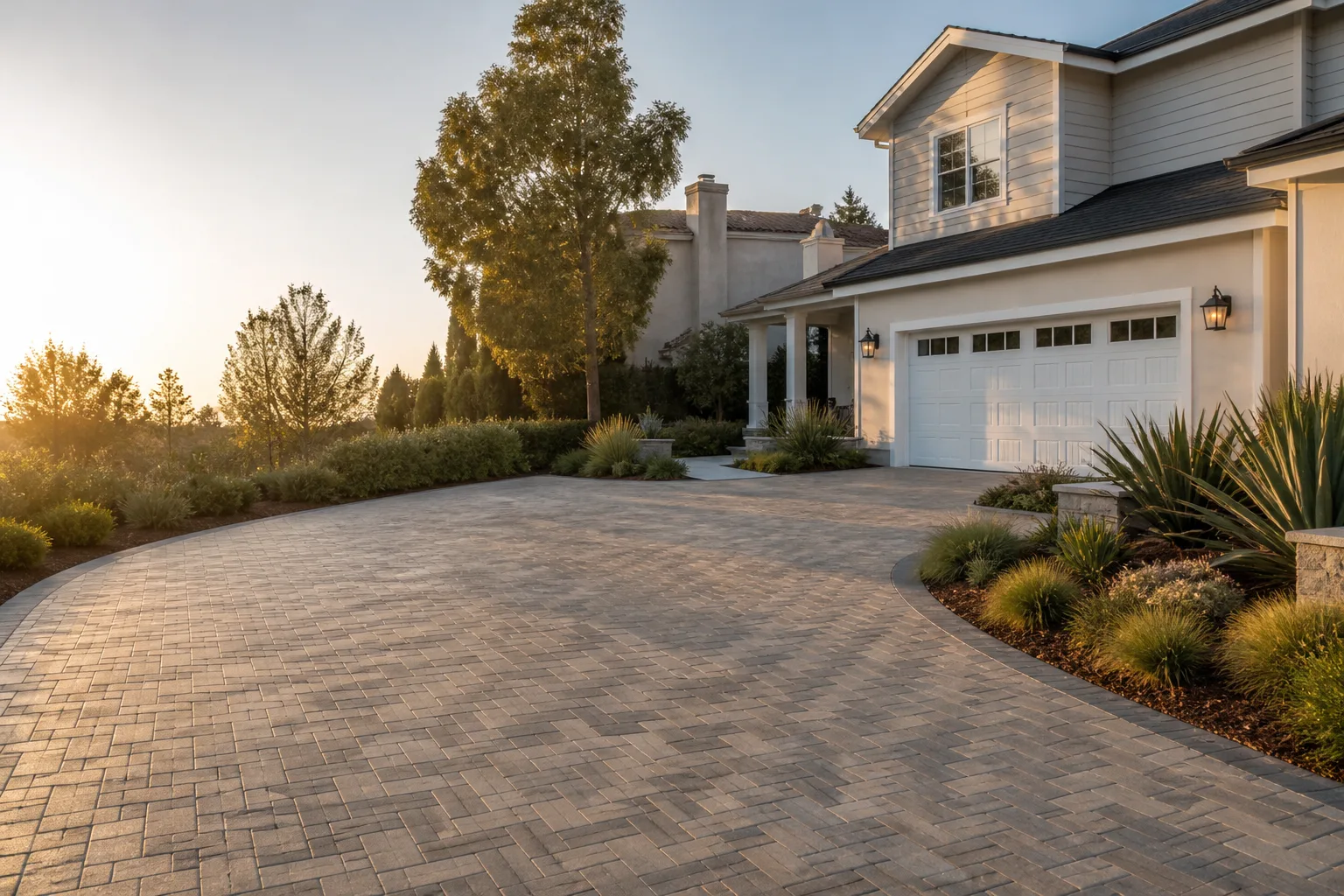
Among the concrete paver makers, Belgard and Unilock both publish technical data on compressive strength, water absorption, and load categories, and both offer thick-format pavers designed for driveways. Techo-Bloc, Cambridge Pavers, and Tremron are in the same category. What matters is picking a specific product within a manufacturer’s lineup that’s rated for vehicle load rather than a decorative walkway paver pressed into driveway duty.
A few practical rules guide us here:
- Thicker is better for heavy load. A paver designed for driveways is usually thicker than a patio paver.
- Interlocking patterns matter. A well-set herringbone or running bond spreads load across neighbors and tolerates minor movement.
- Edge restraint is not optional. Without a proper restrained edge, pavers walk apart over seasons.
- Match color and finish to the sun exposure. Southern and western-facing slopes get the most heat; some finishes handle it better.
- Confirm warranty terms. Published warranty programs differ, so read what covers structural failure versus surface wear.
There are also designer-tier hardscape systems that blend with a home’s exterior, and the same single-source approach that covers a patio or a pool deck extends to the driveway. That level of specification is the standard we hold across exterior work, from the driveway to the roofline, and it’s the same standard applied whether you’re considering fence installation or a new garage apron.
How a Proper Base Gets Installed: Step by Step
The base is where a driveway succeeds or fails, and it’s the step most likely to get skipped by a crew under pressure to finish. Here’s the sequence for a driveway on Pomona clay soil, in the order it should happen.
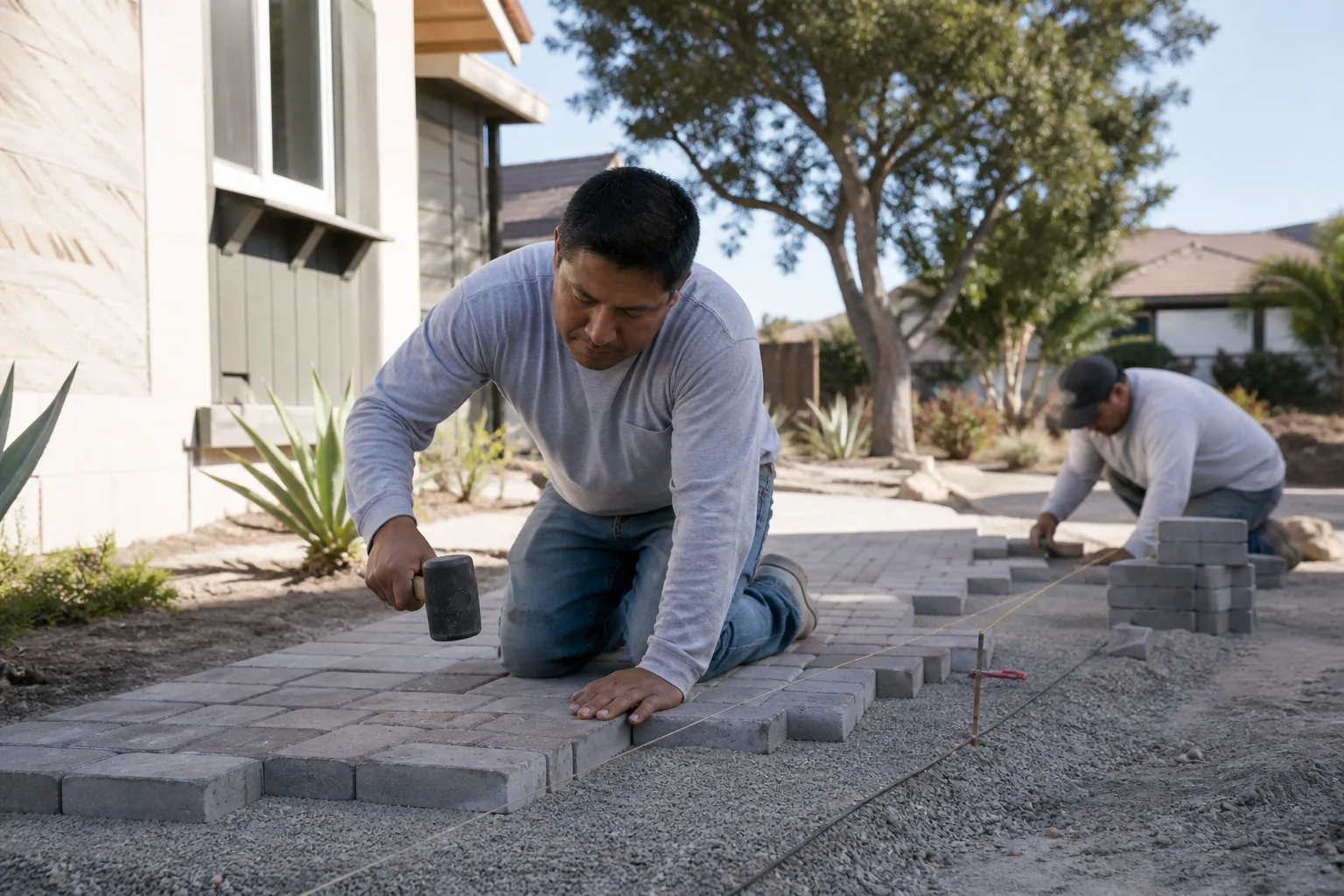
- Strip and remove the old surface. Any existing concrete or asphalt gets removed completely, not overlaid. Old slab underneath creates a movement layer the new base can’t correct for.
- Excavate to depth. Soil comes out to a depth that matches the target base thickness, which on expansive clay usually exceeds what a general national guide specifies.
- Inspect and prepare the subgrade. Loose soil, roots, debris, and low spots get addressed before any aggregate goes in.
- Lay and compact the aggregate base in lifts. Base gets placed in layers and compacted each layer, rather than dumped in one pass and compacted once. This is the step that decides whether the driveway holds its grade.
- Set and check the grade. The base is run to a known slope away from the house, and the slope is verified before the sand layer goes on.
- Set edge restraints. A fixed border holds the field of pavers against movement.
- Lay the sand bedding. A thin, screeded sand layer lets the pavers seat evenly.
- Place the pavers. The pattern goes down, and the pavers get cut to fit at edges and around any fixtures.
- Compaction and sand. The finished surface is compacted and swept sand into the joints.
- Final drainage check. Water is tested for flow, and the edges get inspected for restraint and clean cuts.
None of this is dramatic. It’s the ordinary discipline that separates a driveway that lasts a generation from one that ruts and shifts in a couple of years. For a homeowner, the takeaway is to ask how the base is compacted, not just how thick it is. A single compacted lift over unprepared soil is the single most common shortcut we see.
Permits and Licensing for Driveway Work in Pomona
Permitting on driveway work is something most homeowners never think to ask about, and it’s one of the most local parts of the whole project. The rules sit with the City of Pomona’s building and public works departments, and they can vary with what the driveway connects to: a full replacement within the property line is one thing, while adding a curb cut or connecting to the public street is often another with a separate process.
Here’s a general sense of what’s commonly in play. This is not legal advice, and the current requirements are the city’s to set, so confirm with the building department before work begins:
- Driveway replacement within the lot lines. Many jurisdictions don’t require a permit for a like-for-like surface replacement that doesn’t change the footprint or grading, but the exact rule is local and can be tied to the size and scope of the change.
- New curb cuts or driveway connections to the public street. These commonly touch the right-of-way and often involve a permit and inspection from the public works side.
- Grading and drainage changes. If the work alters how surface water drains off the property, some permits consider that part of the scope.
- Retaining walls or significant elevation changes. A wall used to hold back grade at the edge of a driveway can be regulated on its own.
When is a licensed contractor legally required? In California, any contractor proposing work on a project over a certain value must hold a valid contractor’s license, and licensed contractors are the ones who can pull permits and coordinate inspections. In plain terms, if the job includes a permit, structural change, grading, or a curb cut, a licensed contractor should be the one running the work. For a simple surface swap no permit triggers, but a licensed professional is still the safest route on a surface that has to carry vehicles.
Beyond the driveway, a broad set of exterior and interior work flows through the same contractor relationship. Construction Pomona handles paving alongside roofing, windows, doors, fencing, kitchens, baths, and home additions & ADU projects, so a homeowner planning a driveway as one phase of a larger remodel manages one relationship instead of several. Some larger sites even pair a driveway upgrade with a prefab structure, and partners like Plant Prefab and Tuff Shed fit onto lots where a garage-to-guest-space conversion is part of the plan.
What Paver and Concrete Driveways Typically Cost
Cost is the first thing on most homeowners’ minds, and it’s the most variable part of the project because so much depends on your specific lot. The numbers below are typical estimates for Pomona-area projects, not quotes. The written estimate sets the final price, and until a contractor has walked the slope, checked the base conditions, and confirmed the drainage plan, any range is a rough guide.
| Project | Typical estimated range |
|---|---|
| Standard concrete driveway (per square foot) | $6-$10 per sq ft |
| Concrete paver driveway (per square foot) | $10-$18 per sq ft |
| Natural stone driveway (per square foot) | $18-$30 per sq ft |
| Permeable paver system (per square foot) | $14-$24 per sq ft |
| Base excavation and compacted aggregate | Billed within the per-square-foot range above |
| Drainage modification | Priced per job after site review |
A few things move the number. A driveway with poor subgrade conditions needs more excavation and more base material. A lot with a challenging slope may need retained edges or drainage work. And a decorative border, a distinctive pattern, or a specific name-brand line can push the per-square-foot figure toward the upper end. We source pavers from lines with published specs and warranty programs – Belgard, Techo-Bloc, Cambridge Pavers, Unilock, and Tremron – so you’re comparing products on a like-for-like basis rather than on price alone.
Ask for a line-item estimate that separates base preparation, materials, drainage, and finish work. That structure tells you what you’re paying for and protects you from change orders once the digging starts. Our estimates are free and the price is set on the written quote, per job.
Keeping Your Driveway Looking New in Inland Empire Heat
Pomona’s sun does more cosmetic damage than the traffic does. UV exposure fades surfaces and drives surface heat through the day. A paver driveway held up to the sun well needs a little maintenance to stay in shape, and the same goes for concrete and natural stone.
Here’s a simple routine that pays off:
- Sweep regularly. Sand gets swept out of joints over time; refill them when they drop. Full joints keep pavers locked and stop weeds.
- Watch the edges. Loose or tilted edge restraint lets the whole field shift.
- Wash the surface a couple of times a year. A low-pressure wash and a mild cleaner keep stains and dust from settling in.
- Repair cracks and settled spots promptly. One depressed paver invites water to pool and undermine the base underneath.
- Reseal only when the product calls for it. Some pavers benefit from sealing, some don’t; sealer applied on the wrong product can do more harm than good.
The good news for a paver driveway is repairability. When a single unit chips or settles, it lifts out and gets replaced without touching the rest of the surface. A concrete slab that cracks has to be repaired in place, and if the crack runs to the base, that repair gets complicated fast. That’s one more reason clay soil favors a paver system over a slab when durability is the priority.
Common Mistakes to Avoid
- Choosing color before the base. Picking a finish while ignoring base depth and compaction is how driveways end up rutted within a few seasons. The base is the decision; the finish is the reward.
- Underestimating the base on clay soil. A base depth that works in stable, sandy soil can be too thin on Pomona’s expansive clay. Ask explicitly how deep and how many compacted lifts.
- Ordering pavers before drainage is planned. Slope and drainage have to be worked out before material is ordered because the plan may affect where the low point sits, which paver type you need, and even how much material you’ll use.
- Overlaying an old slab. Putting pavers over an existing cracked driveway simply hides the movement for a season or two. Remove the old surface and build from the subgrade.
- Skipping the edge restraint. Pavers without a fixed border creep apart over wet and dry cycles, and the pattern loses its lock-up.
- Ignoring the permit triggers. A full driveway replacement may be exempt while a curb cut isn’t, and homeowners who assume one rule covers the other get caught short. Confirm with the city before the work starts.
- Replacing the whole driveway when only one section settled. On an interlocking paver system, a local repair sometimes does the whole job. Not every cracked driveway needs a full replacement.
See the difference
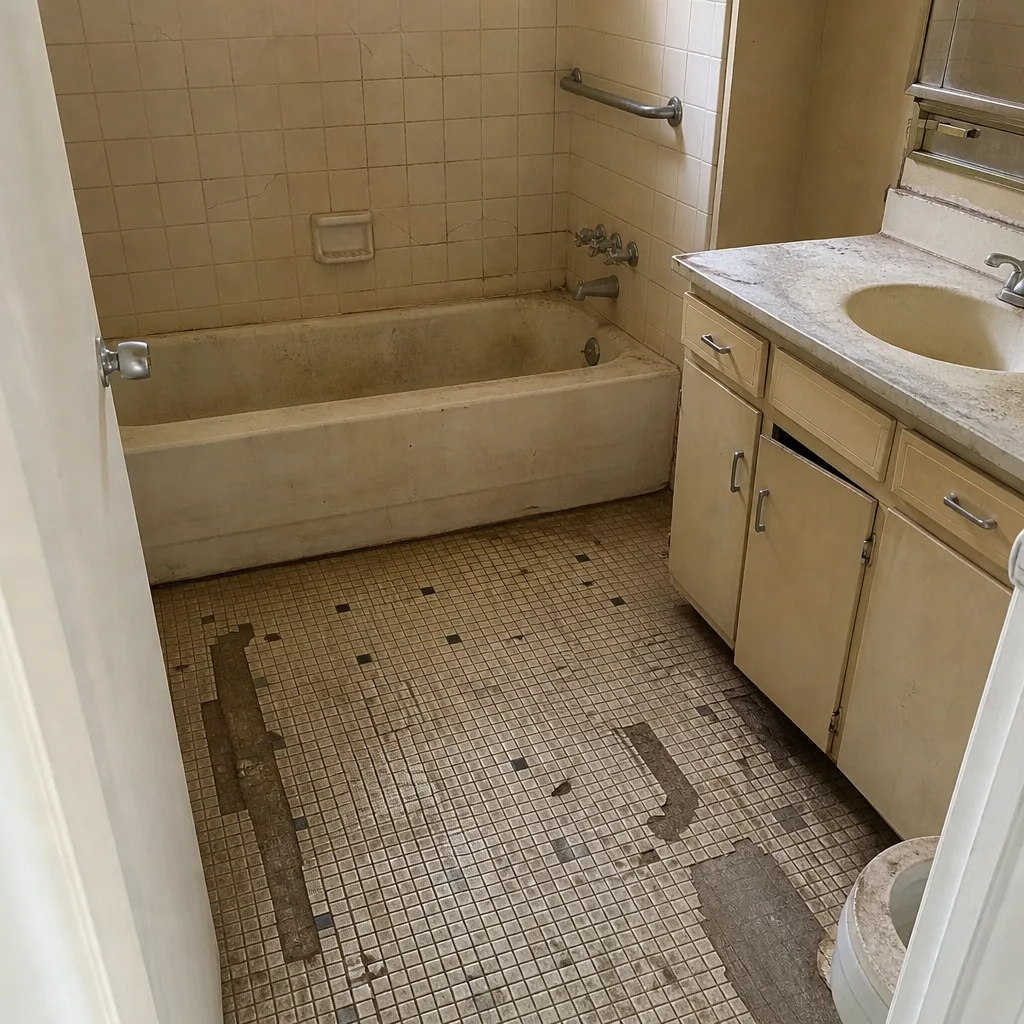 Before
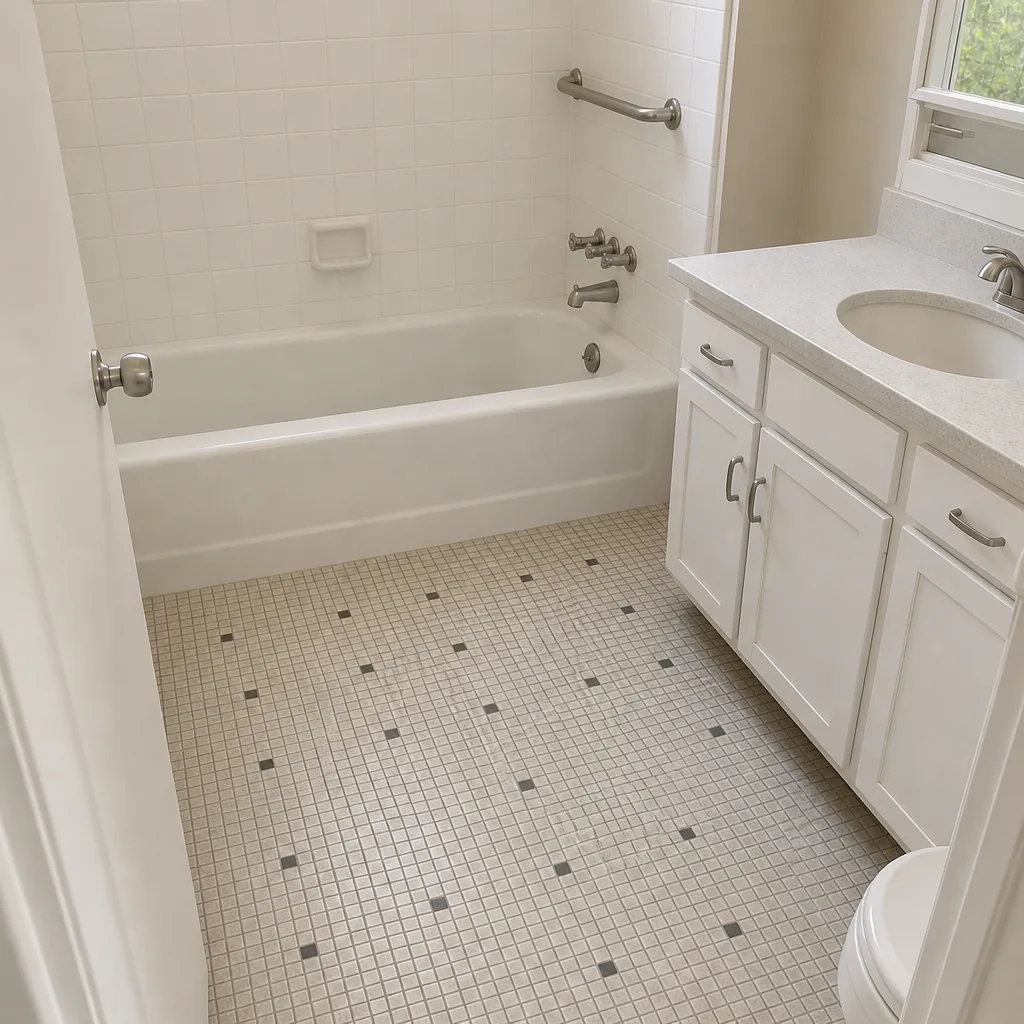 After
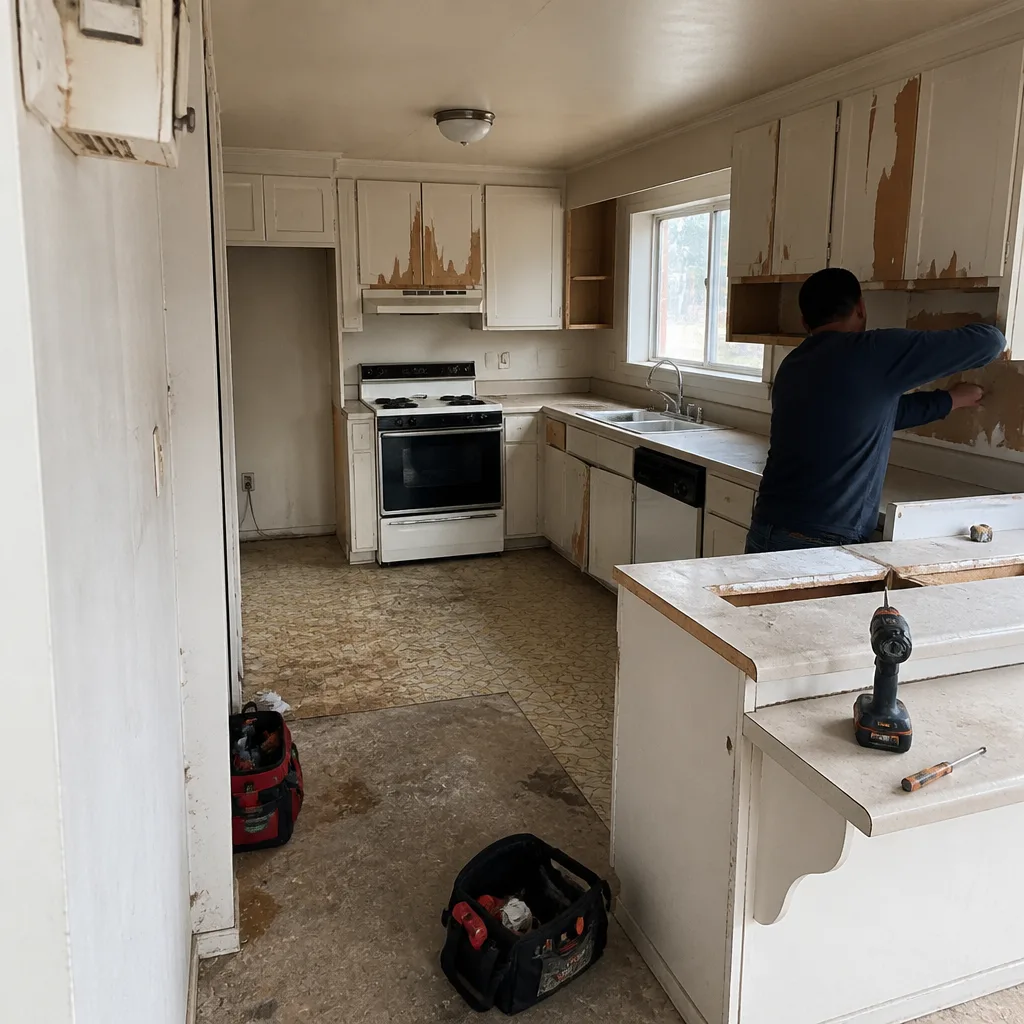 Before
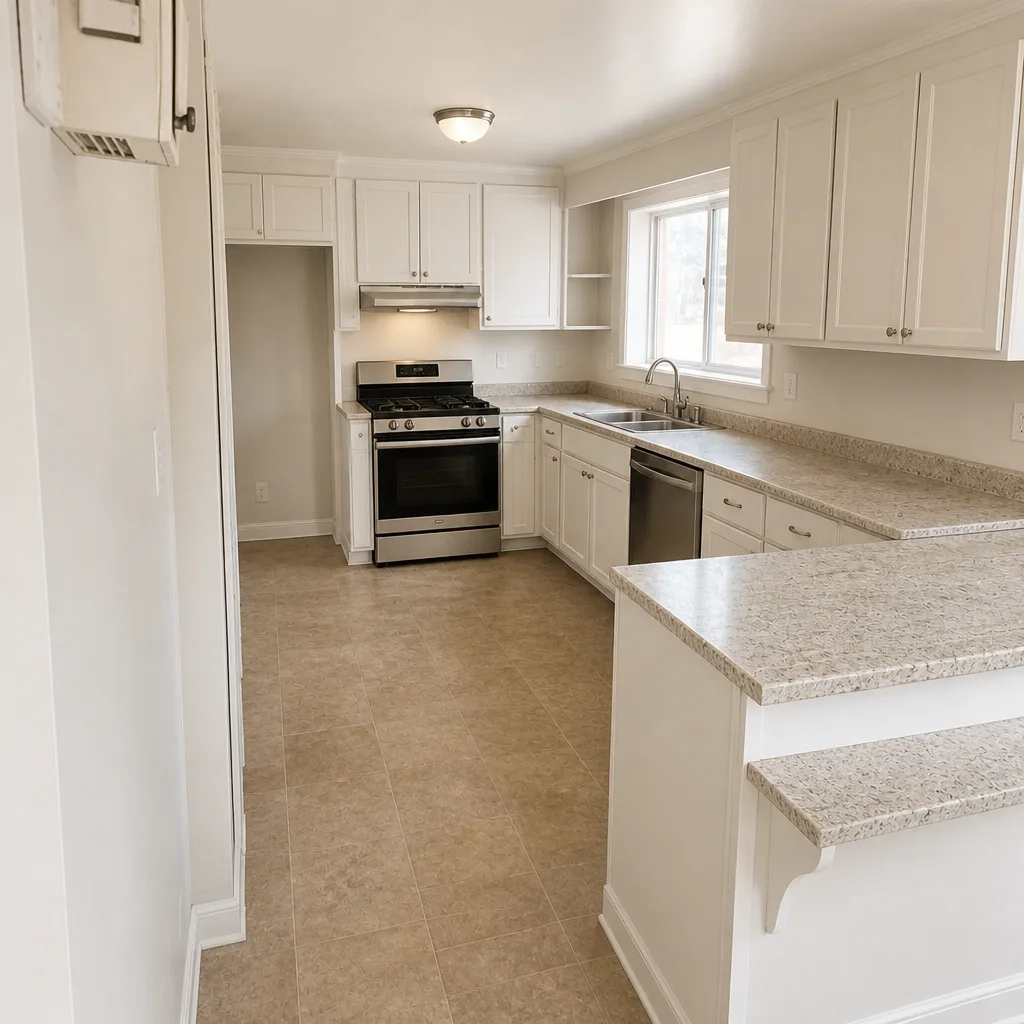 After
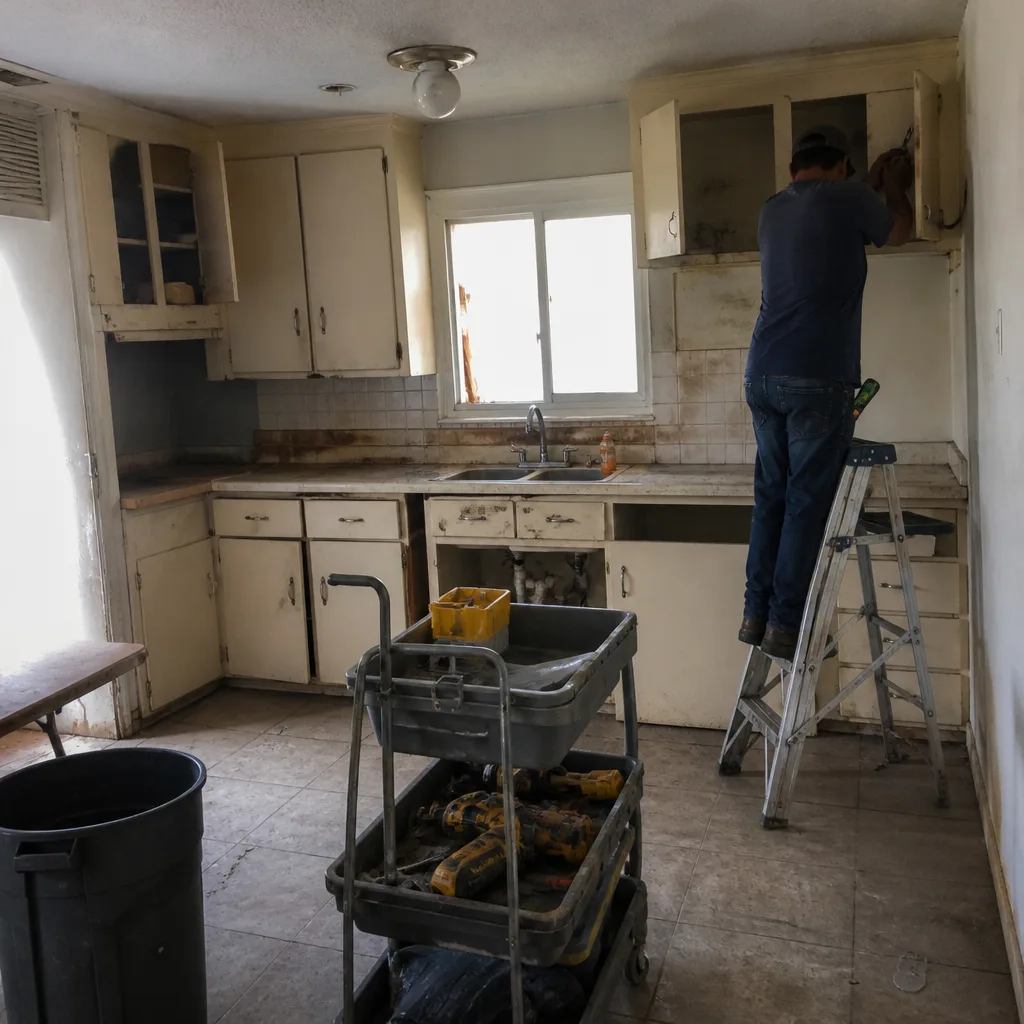 Before
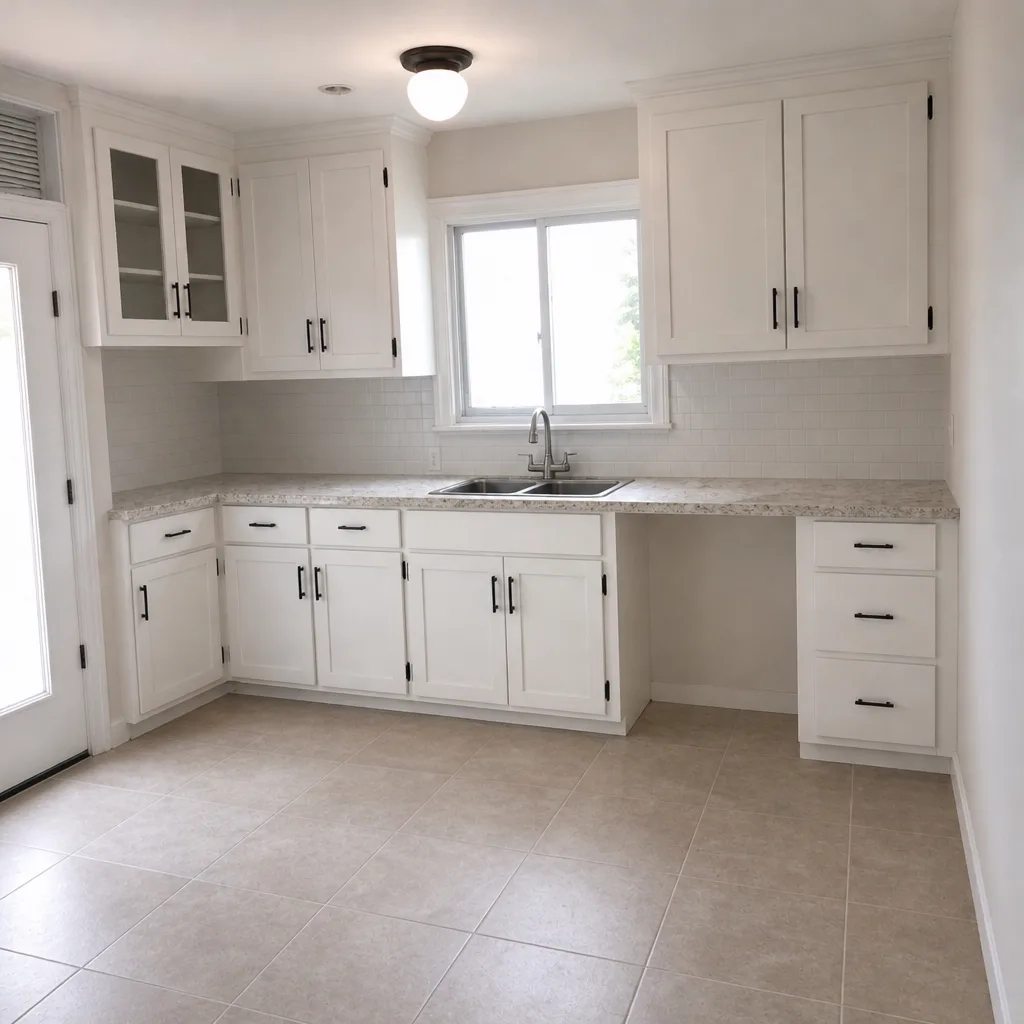 After
When to Call a Professional
Some driveway problems are cosmetic and can wait. Others are structural, and a bit of judgment helps you know which is which.
Call a professional when the existing surface has cracked down to the base, when pavers have settled into a dip, or when the driveway holds water against the house or garage. Call earlier if the work you’re considering includes a curb cut, grading change, or retaining wall, since these commonly involve permitting. Also call if your lot has clay soil and you want a driveway that will actually last, because the base engineering is the part you can’t get right by eye. Construction Pomona offers free estimates in Pomona – call (844) 320-5194. We answer 24/7, with fast dispatch from 7am to 7pm, Sunday through Friday.
A driveway is also rarely a project on its own. Many homeowners finish the driveway and then tackle the fence, the entry doors, the roof, or the rest of the exterior. Being able to bring the driveway, the fencing, the windows, and the front entry into one plan saves a lot of juggling. The same contractor relationship that specifies the pavers can also line up fence installation around the finished driveway edge, and that planning overlap is where a single-source relationship pays off.
Frequently Asked Questions
A concrete paver driveway in Pomona typically runs $10 to $18 per square foot, with natural stone at $18 to $30 and permeable systems at $14 to $24. The exact number depends on your base conditions, drainage, and finish choices. Call (844) 320-5194 for an exact quote – estimates are free.
On Pomona’s clay-heavy soils, the base should be deeper than a general national installation guide specifies, because expansive clay moves with moisture swings and needs more structural separation from the finished surface. The right depth depends on the specific lot, so we check the subgrade before setting a number. Call (844) 320-5194 to schedule a free estimate.
It depends on what the work involves. A like-for-like surface replacement within the property line often doesn’t require a permit, while a new curb cut or grading change commonly does. Confirm with the City of Pomona’s building department before work starts. Call (844) 320-5194 if you’d like us to walk through the scope first.
Thicker, interlocking concrete pavers with published load ratings hold up well under Pomona’s summer heat and vehicle load, and natural stone also performs strongly. The key is picking a product rated for driveway traffic, not walkway use. Call (844) 320-5194 to talk through material options.
Yes. Because pavers are separate interlocking units, a single chipped or settled paver can be lifted and replaced without touching the rest of the surface. This is one of the main advantages over a concrete slab. Call (844) 320-5194 to find out whether a repair will do the job.
Most driveway projects take a few days once materials are on site, with the timeline depending on removing the existing surface, base preparation, and any drainage work. The written estimate includes the expected schedule. Call (844) 320-5194 for a free estimate and a clear timeline.
The Bottom Line
Your driveway’s success is decided at the base, not the surface. Pomona’s clay soil and hot, dry summers demand a thicker compacted aggregate layer than national guides specify, and drainage and slope have to be planned before a single paver is ordered. Concrete pavers from lines with published load ratings – Belgard, Unilock, Techo-Bloc, Cambridge, and Tremron – give you durability plus the ability to repair a single unit without tearing up the whole surface. Confirm permit triggers with the city, ask exactly how deep and how compacted the base will be, and price the job on a written line-item estimate so the final number matches the plan.
When you’re ready to price a driveway project in Pomona, call (844) 320-5194. We answer 24/7. Fast dispatch from 7am to 7pm, Sunday through Friday. Estimates are free, name-brand materials come from a curated roster, and the written estimate sets the final price with no change orders. Whether it’s a driveway upgrade or a broader plan that includes fencing, roofing, or an addition, one contractor relationship can cover the whole property.
Written by the team at Construction Pomona.