Last updated November 18, 2026
Free written scope consultation - allowances, timeline, and change-order rules on paper before a single trade is scheduled
Construction Cost Breakdown: The Pomona Homeowner’s Reference for 2026
Most Pomona homeowners assume the safe move is to budget at the top of the range they can find, so nothing goes wrong. The opposite is usually true. Overpaying doesn’t buy better work, it just buys a wider cushion for a contractor who hasn’t priced the job carefully. And budgeting at the bottom attracts bids that only work if corners get cut somewhere you can’t see.
Pomona sits in a specific cost band. It’s inland from Los Angeles, which shaves real money off trade pricing, but it’s still a mature, fully built-out city where demand for good contractors stays steady. This guide shows you what each of the seven major project categories actually costs in Pomona in 2026, which line items you can flex and which you can’t, and how to read an estimate so vague numbers don’t turn into a change order three weeks in.
Quick Answer
Construction costs in Pomona for 2026 generally run $250 to $600 per square foot for a kitchen, $300 to $700 per square foot for a bathroom, $180 to $350 per square foot for an ADU addition, $12 to $25 per square foot for pavers, $15 to $35 per linear foot for fencing, and $8 to $20 per square foot for roofing. Where your project lands inside those ranges depends on brand tier, structural surprises, and how well the scope is written before work begins. Every dollar figure here is an estimate, and the written estimate is what sets your final price.
Styles & brands we work with
- Kitchen remodeling
- Bathroom remodeling
- Home additions & ADU
- Roofing
- Windows & doors
- Driveway & pavers
- Fence
Table of Contents
- Why Pomona Lands Between L.A. and the High Desert
- What’s Fixed and What’s Flexible in a Pomona Budget
- Kitchen and Bathroom Costs in Pomona
- ADU and Home Addition Costs: Custom vs. Prefab
- Roofing, Windows, and Doors in the Pomona Valley Climate
- Driveways, Pavers, and Fencing Costs
- Labor Cost Drivers Specific to Pomona
- How to Read a Contractor Estimate Line by Line
Why Pomona Lands Between L.A. and the High Desert
Pomona’s building costs reflect its position. Drive west into Los Angeles proper and trade pricing climbs sharply, because the plumbers, electricians, and finish carpenters those jobs need are competing for parking, staging space, and access in a denser city. Drive east toward the High Desert and pricing falls, but so does the availability of contractors who regularly install premium brands correctly. Pomona sits in the middle, which is both an opportunity and a trap.
The opportunity is that you can get genuinely high-end material installed at a labor cost well below anything on the west side. The trap is that the spread invites two kinds of bad bids: the contractor who used to work in Santa Monica and still prices like it, and the contractor who prices like the High Desert and simply cannot afford to do the job to spec, so they cut what you’ll only notice later.
The city’s housing stock supports this middle band. Pomona has a large concentration of mid-century single-family homes, many of them on generous lots along streets named for the fruit industry that once defined the valley. Those lots are one reason Pomona is an unusually good city for home additions & ADU projects. They’re also a reason exterior work (driveways, fences, hardscape) covers more square footage than you’d expect from a comparable Los Angeles property.
One cost driver Ponoma homeowners don’t always factor in: mature trees. Streets lined with older citrus and shade trees produce root systems that reach driveways, walkways, and fence lines. If your pavers are being replaced, root removal or root barrier installation is a real line item. It’s not a scare tactic, it’s just what older properties do.
We’ll say this once and it holds true for every section that follows: our technicians have up to 8 years of experience, and the way a job goes depends almost entirely on what’s on paper before the first day of demo.
What’s Fixed and What’s Flexible in a Pomona Budget
Homeowners negotiate hardest on the wrong line items. Here’s the honest split for a Pomona project in 2026.
Largely fixed
- Permits and inspections. Pomona, like most cities in the region, requires a permit and inspections for structural work, additions, roofing replacement, and any electrical or plumbing modification. The fee is set by the city, not the contractor.
- Engineered lumber and structural hardware. If the plans call for a beam over a kitchen island removal or a header at an ADU addition, the sizing is engineering-driven. You can shop the supplier, but you can’t slim the spec.
- Labor minimums. Every trade has a minimum mobilization cost. A tiny bathroom doesn’t cost half as much as a big one, because the plumber still has to set up and the tile setter still has to stage.
- Disposal and hauling. Concrete, roofing tear-off, and demo debris are priced by weight and load, not by how pleasant the customer is.
Legitimately flexible
- Cabinet tier. KraftMaid and Wellborn cover an enormous spread of styles and finishes. You can move thousands of dollars without touching the box construction quality.
- Countertop material. Cambria, Silestone, and Caesarstone all perform well in a Pomona kitchen; the spread between tiers is mostly finish and pattern, not function.
- Paving brand. Belgard, Techo-Bloc, and Cambridge Pavers all publish engineering specs and warranty programs. Cambridge Paver’s portfolio, for example, includes styles that cost meaningfully less than imported options while meeting the same compaction and base requirements.
- Roofing line within a manufacturer. GAF, CertainTeed, and Owens Corning each publish several tiers. Asking for a mid-tier asphalt shingle from a recognized manufacturer is a legitimate conversation. Asking for a no-name shingle to save a few hundred dollars is not.
The rule of thumb: fixed costs are fixed, but a huge share of what people call “the cost of a kitchen” is specification. That’s where you negotiate. Don’t waste energy trying to argue down a permit fee; spend it choosing the material tier that delivers what you actually want.
Kitchen and Bathroom Costs in Pomona
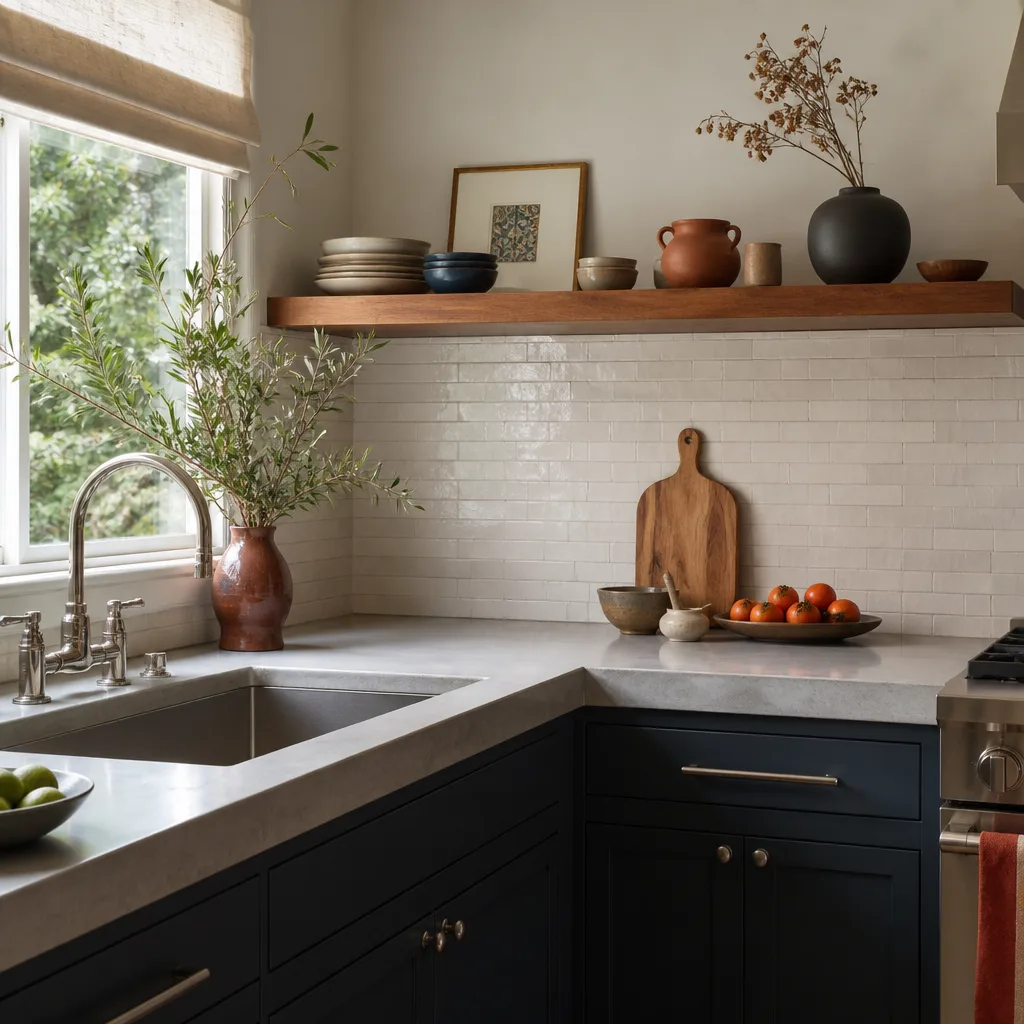
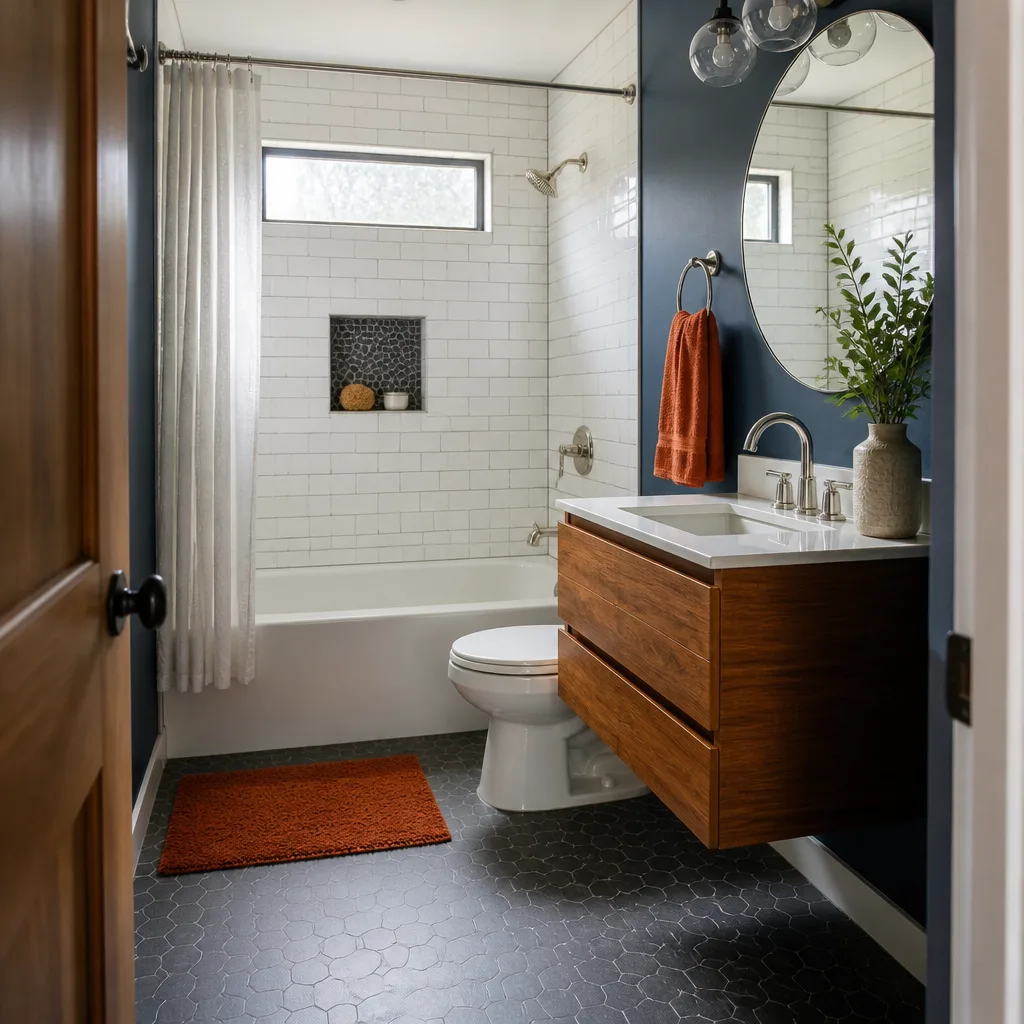
A Pomona kitchen remodel in 2026 typically runs $250 to $600 per square foot, which for a standard 200-square-foot kitchen works out to roughly $50,000 to $120,000 depending on scope and specification. A bathroom remodel typically runs $300 to $700 per square foot. Small full bathrooms can carry a higher per-square-foot cost than larger ones, because fixture counts don’t scale down with square footage.
Where the kitchen money goes
- Cabinetry: 25 to 35 percent of the budget. This is the single largest line item and the easiest to flex.
- Countertops: 10 to 15 percent. Cambria, Silestone, and Caesarstone pricing varies substantially by pattern and edge profile.
- Fixtures and plumbing: 5 to 10 percent. Kohler, Moen, and Grohe all publish price points across a wide range; staying in the middle of the catalog avoids both failure risk and overspend.
- Labor, trades, and permits: 40 to 50 percent. Electrical moving for a relocated range, plumbing extension for a new sink position, and tile setting labor for a full backsplash all hit here.
Where the bathroom money goes
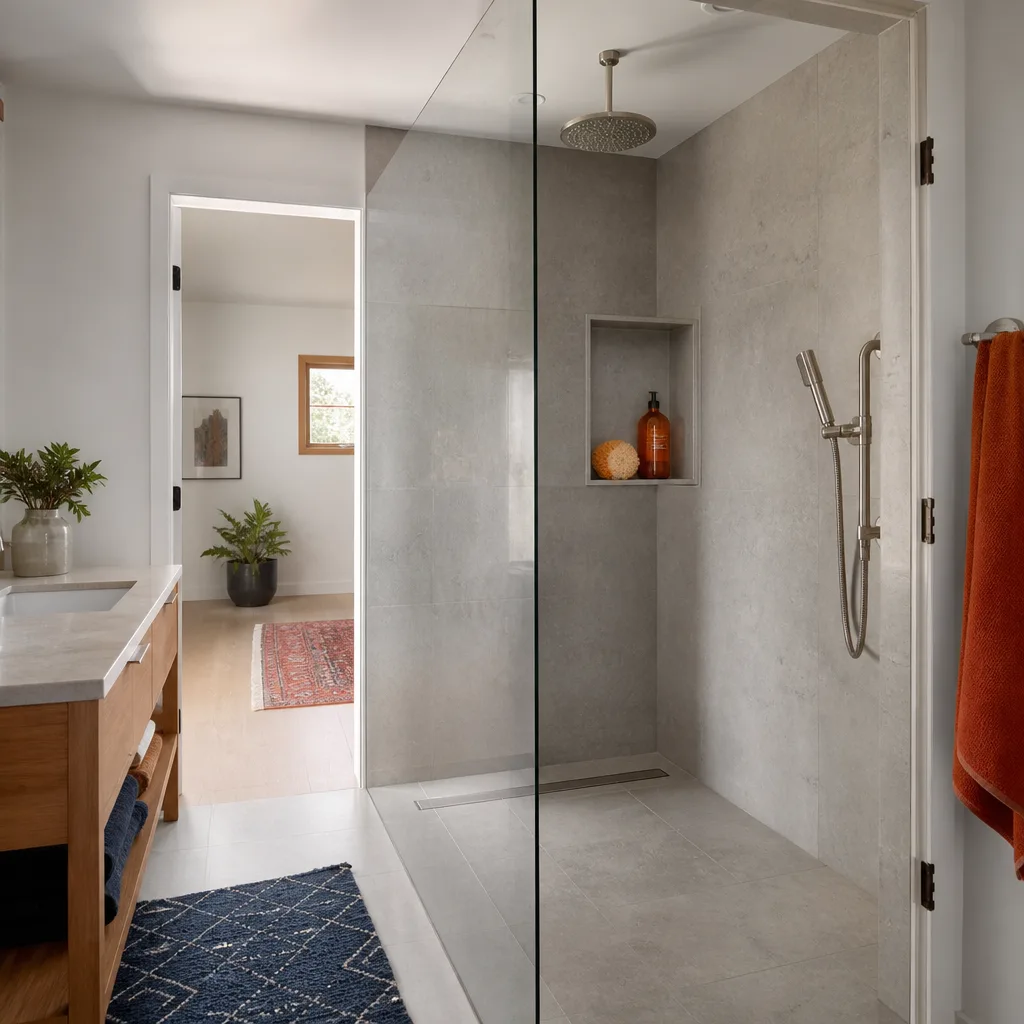
Tile and waterproofing drive bath costs more than anything else. Schluter waterproofing systems matter here specifically because a proper wet-room build-out is not something you can shortcut. Behind the tile is where a bathroom either lasts twenty years or starts mold in two. That’s not flexible. So choosing a no-name membrane to save a couple hundred dollars is the exact place to stop negotiating.
For Pomona homes with original mid-century plumbing, expect a real chance the scope grows once walls are open. Galvanized supply lines in older homes often need replacement once they’re exposed. That’s a legitimate change order, and a written estimate should have already flagged it as a possibility. Talk to us about the kitchen and bathroom scope early, before any walls come down.
Sample kitchen line-item ranges (2026, Pomona)
- Cabinet replacement, KraftMaid or Wellborn, mid-tier: $12,000 to $35,000
- Countertop fabrication and install, Cambria or Silestone: $6,000 to $15,000
- Tear-out, disposal, and structural allowance: $3,000 to $8,000
- Plumbing, electrical, and lighting scope: $5,000 to $14,000
- Flooring and backsplash labor plus material: $4,000 to $12,000
- Permits and inspections: set by the city, confirmed on the estimate
These are estimates only. The line-item written estimate you receive after an on-site visit is what sets your final number.
ADU and Home Addition Costs: Custom vs. Prefab
ADU costs in Pomona in 2026 typically run $180 to $350 per square foot for a site-built addition and $140 to $280 per square foot for a factory-built prefab unit, before site work. A standard 500-square-foot detached unit lands roughly in the $90,000 to $175,000 range depending on finish level, foundation type, and utility runs. Garage conversions are usually the cheapest path; detached new construction the most expensive.
What actually drives the price
- Site preparation and foundation. Slab, pier, or raised foundation each carry different costs and each has to be engineered to the site.
- Utility runs. Getting water, sewer, and power from the main house to the ADU can be a five-figure line item on a long lot.
- Structural and finish tier. A tiled shower and a standard one cost very different amounts even in the same unit footprint.
- Kitchenette versus full kitchen. A true full kitchen in an ADU adds plumbing and electrical complexity that many prefab units don’t support without modification.
Custom vs. prefab: an honest comparison
Prefab ADUs from Abodu, Dvele, Mighty Buildings, Boxabl, and Plant Prefab offer factory-precision construction and a compressed timeline. Custom site-built gives you full design flexibility and can sometimes match prefab pricing at very high finish levels. The catch with prefab is site work: the factory price and the installed price are two different numbers, and a realistic budget accounts for both.
We recommend getting a written site-work allowance as part of any prefab bid so the total is comparable to a site-built quote. Pomona’s larger lots are an advantage here; they often allow detached units with clean utility routes rather than a complicated conversion.
Roofing, Windows, and Doors in the Pomona Valley Climate
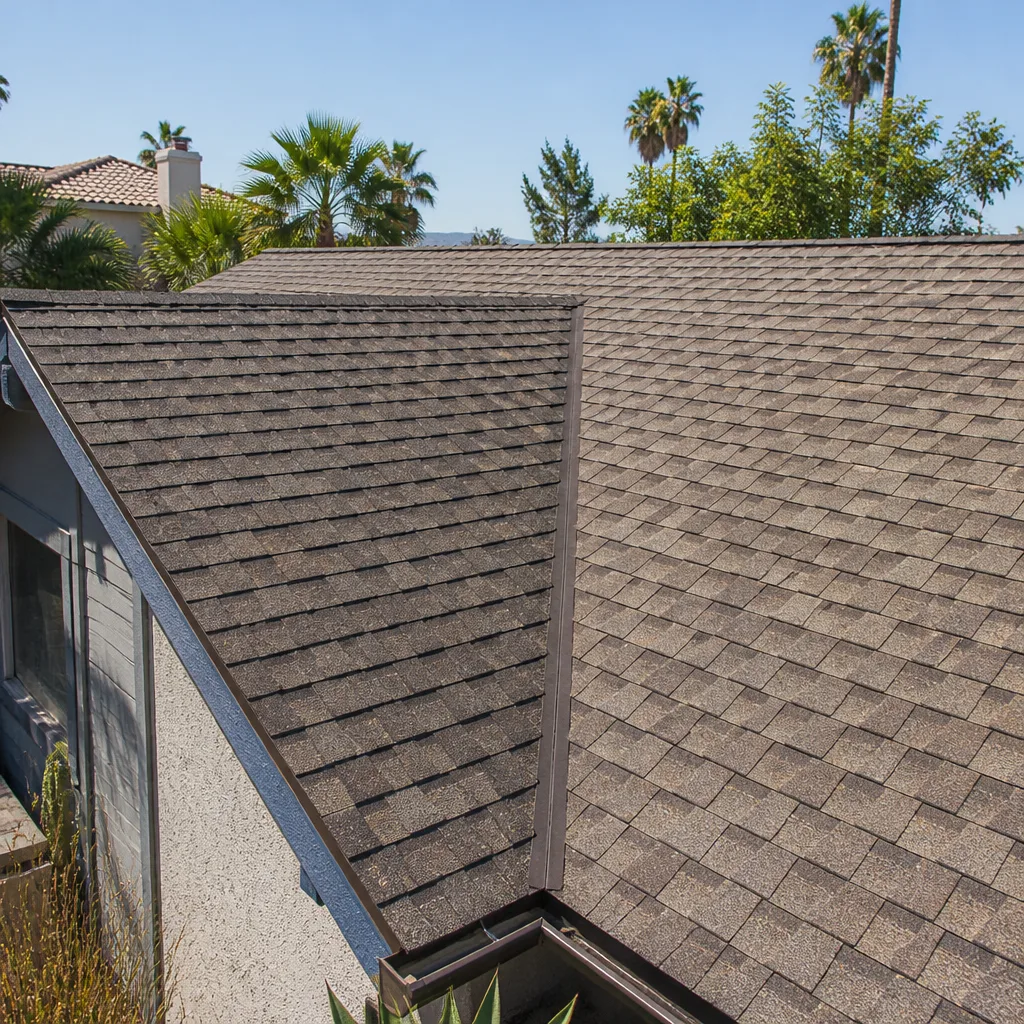
Roofing replacement in Pomona in 2026 typically runs $8 to $20 per square foot, which places a standard asphalt shingle re-roof broadly in the $12,000 to $25,000 range for a typical single-family home. That spread depends on roof complexity, number of planes, and whether you’re on a single or two-story.
The Pomona Valley climate is warm and dry. That matters for material selection. Intense sun and summer heat drive UV degradation; good ventilation matters as much as shingle tier. Attic ventilation, ridge vents, and proper underlayment are components that cost real money and are genuinely worth it. Roofs here fail at the edges and the attic first, not from water sitting on the surface.
Why brand matters on a Pomona roof
- Warranty tier follows manufacturer. GAF, CertainTeed, and Owens Corning all publish multi-tier shingle lines. Moving up one tier in the same manufacturer often means a longer registered warranty and a stronger wind rating.
- Installation standards are manufacturer-defined. A roof installed to a manufacturer’s published detail is more likely to have a warranty honored. That’s what “name-brand materials, professional installation” means in practice.
- Impact-rated and designer options exist. Hail is uncommon here, but impact-rated asphalt is still a legitimate conversation for wind and debris.
On windows and doors, material choice dominates. Vinyl is the standard workhorse and the most affordable; fiberglass and aluminum-clad wood sit higher. On a Pomona home with a strong mid-century character, window replacement done poorly changes the whole facade, so getting the profile and color right matters as much as the glass.
Driveways, Pavers, and Fencing Costs
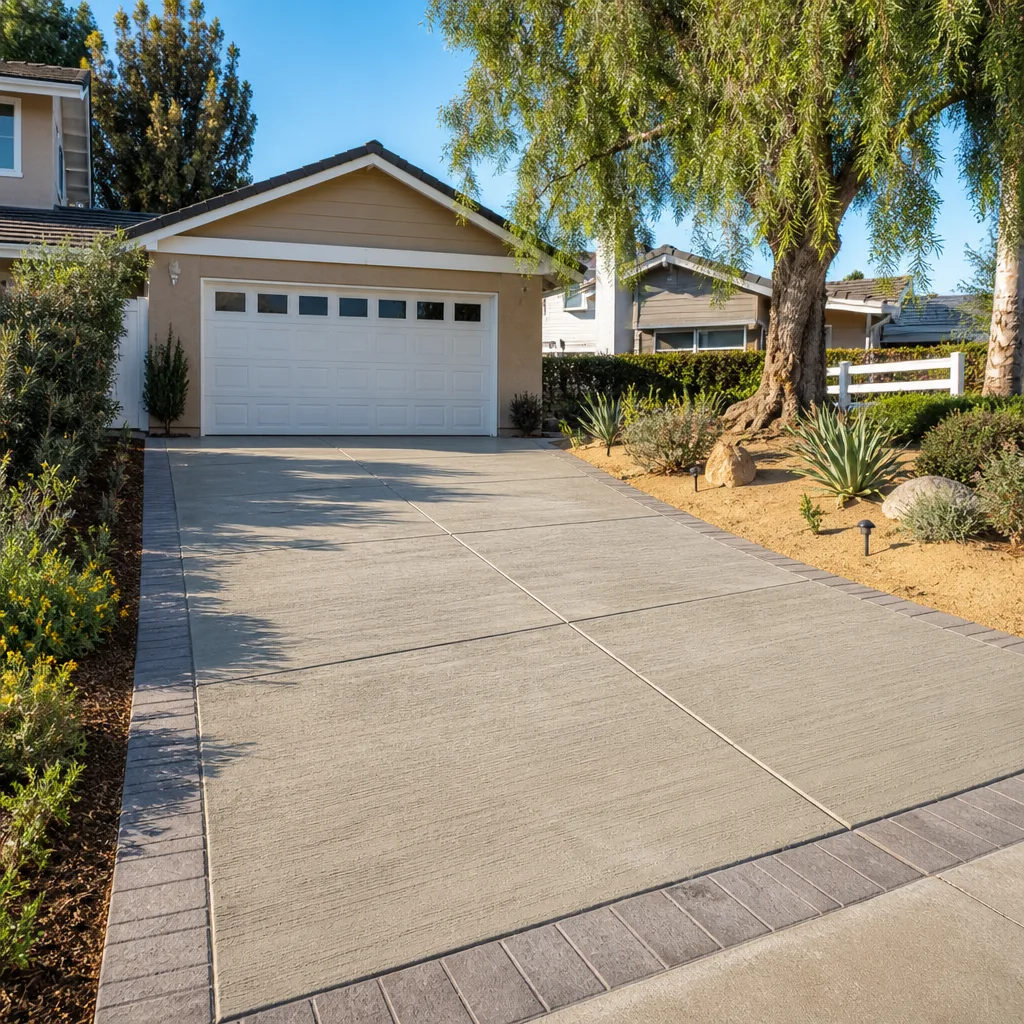
Paver driveway installation in Pomona in 2026 typically runs $12 to $25 per square foot installed, including base prep, compaction, and edge restraint. Fence installation typically runs $15 to $35 per linear foot for standard residential fencing. Concrete driveways, poured in place, run a bit lower per square foot but don’t offer the same design flexibility or the same easy repair path.
Where hardscape money goes
- Base preparation: the largest fixed cost. Correct base depth and compaction under a Paver’s install is what keeps the surface flat for twenty years.
- Paver selection: Belgard, Techo-Bloc, and Cambridge Pavers each publish engineering specifications, which matters for warranties. Unilock and Tremron add more design options without changing the base requirements.
- Drainage: not optional in Pomona. Driveways cut into a slope need to move water away from the foundation or the pavers fail early.
- Root and soil handling: what older trees do to a mature lot. We said it earlier and we mean it.
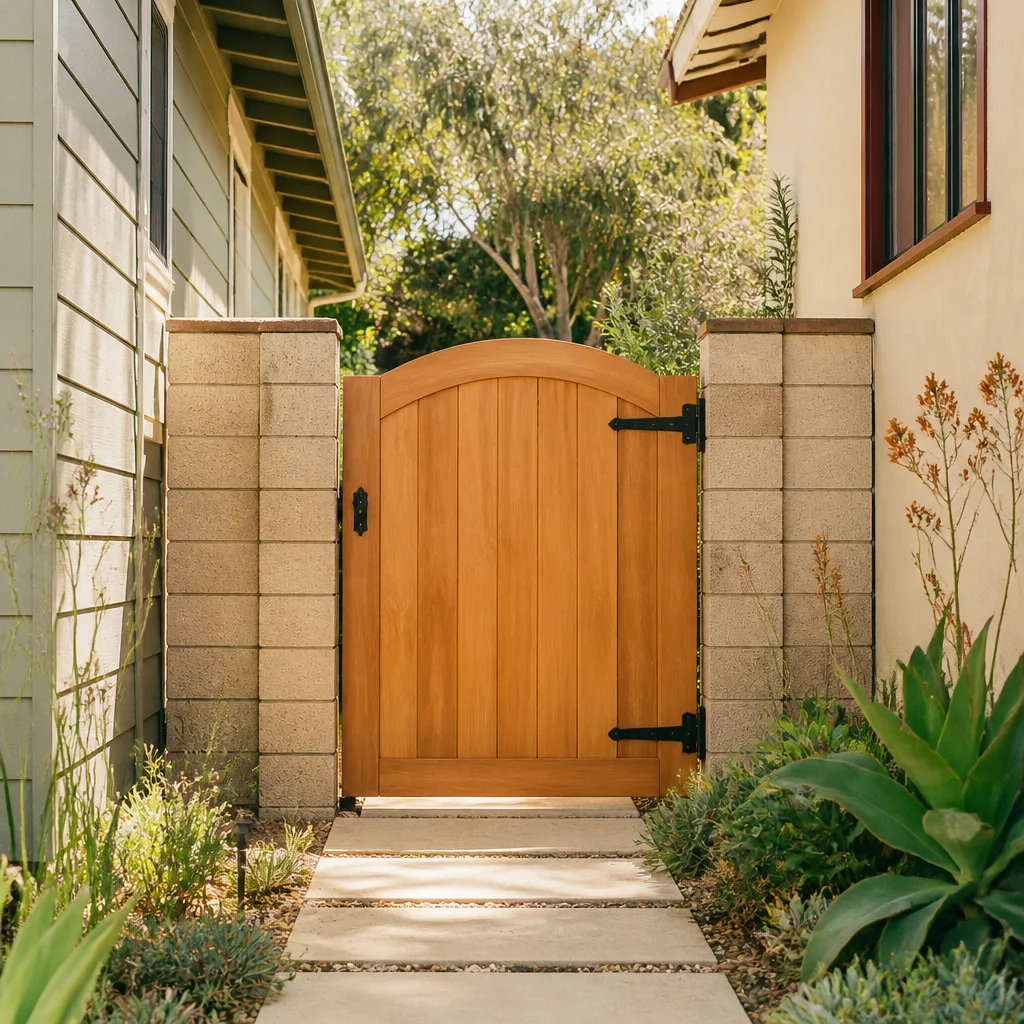
On fencing, Barrette, Master Halco, and Jerith cover the standard spread from cedar-look vinyl to ornamental metal. Barrier choice gets decided by what the fence is doing: privacy (wood or vinyl), security (metal), or view-through property line marking (aluminum or ornamental). A Pomona lot with a pool will usually push toward whatever the city requires for that pool fence.
The same “one contractor, every phase” advantage shows up here. Get the driveway & pavers and fence installation done as one scope and you avoid two mobilizations and one coordination headache.
Labor Cost Drivers Specific to Pomona
Labor in Pomona shapes the budget differently than most homeowners expect. The headline per-hour rate is rarely the problem. What drives cost here is scheduling, drive time, and inspection calendars.
Why labor runs the way it runs here
- Travel time from trade hubs. Many of the finish trades that do kitchen, bath, and ADU work travel in from broader Los Angeles or Orange County. Every job carries some drive time in the price. Choosing a contractor who can batch their trades matters more than choosing the lowest hourly.
- Inspection scheduling. A permitted project includes multiple inspection points. When the city’s schedule crowds, the timeline stretches. That doesn’t change the labor rate, but it does affect the calendar and, in some contracts, the overhead allowance.
- Subcontractor demand. The same plumbers and tile setters get called by every general contractor in the area. Booking scope early against their calendar is cheaper than trying to fit it in during a squeeze.
- Access and staging. A Pomona home on a street with no alley access or a narrow driveway makes material delivery and dumpster placement slower. That’s a real cost on exterior projects.
When we prepare an estimate, we transpose those drivers into line items. If a subcontractor schedule rollover is likely, it’s on the estimate as a contingency, not hidden to look competitive on page one.
How to Read a Contractor Estimate Line by Line
An estimate is a scope document. Read it that way and change-order risk drops sharply.
Seven red flags
- “Tile, allowance: $” with no material spec. Allowances get blown through in the first showroom visit. Ask for the base material and the upgrade path.
- “Electrical, TBD.” Number not a scope. If electrical isn’t itemized by fixture and circuit, expect a change order.
- “Permits included.” Confirm which permits, and whether the fee is pass-through or fixed.
- No disposal line. Demo debris has to go somewhere and someone has to haul it. If it’s missing, you’re paying for it later.
- Vague “labor” or “installation” wrapped in a single line. Proper estimates break labor into trades.
- No brand named on cabinets, counters, or roofing. A six-figure project should name KraftMaid, Cambria, GAF, or equivalent on the page.
- No change-order policy. Ask what happens when an unexpected item appears after demo.
Ask for what “professional installation” means in writing: manufacturer-specified methods, fastened to spec, with the brand’s published detail followed. Then it’s clear what’s being sold.
Common Mistakes to Avoid
- Comparing total estimates instead of comparing scope. Two bids can look ten thousand dollars apart and be side by side identical once you line up cabinet brand, countertop material, and roofing tier. Compare line by line, not bottom line.
- Budgeting for L.A. or High Desert prices. Neither benchmark is accurate for Pomona. L.A. numbers will have you paying too much for labor that isn’t more expensive here, and High Desert numbers will attract bids priced to winning on paper only.
- Skipping the permit. Pomona requiring permits is not a technicality. Unpermitted structural or electrical work becomes a resale problem, and insurers can decline coverage for events traced to it.
- Choosing a no-name material to save 5 percent. Standing behind the install without a manufacturer warranty leaves only the contractor’s own. That’s a real loss on cabinets, countertops, and roofing.
- Failing to plan for the mature lot. Pomona’s older trees, especially citrus, spread roots. Ignoring root barriers on a driveway or fence project is the fastest way to replace pavers again in five years.
- Buying an ADU as one flat number. Prefab units are often advertised as the factory price only. Total installed cost includes foundation, utility run, and site work. Get both numbers.
- Not asking about inspection schedules. If the timeline is tight, ask how many inspection points the project has and how the contractor handles rollovers. It’s a fair question and a good contractor has an answer.
See the difference
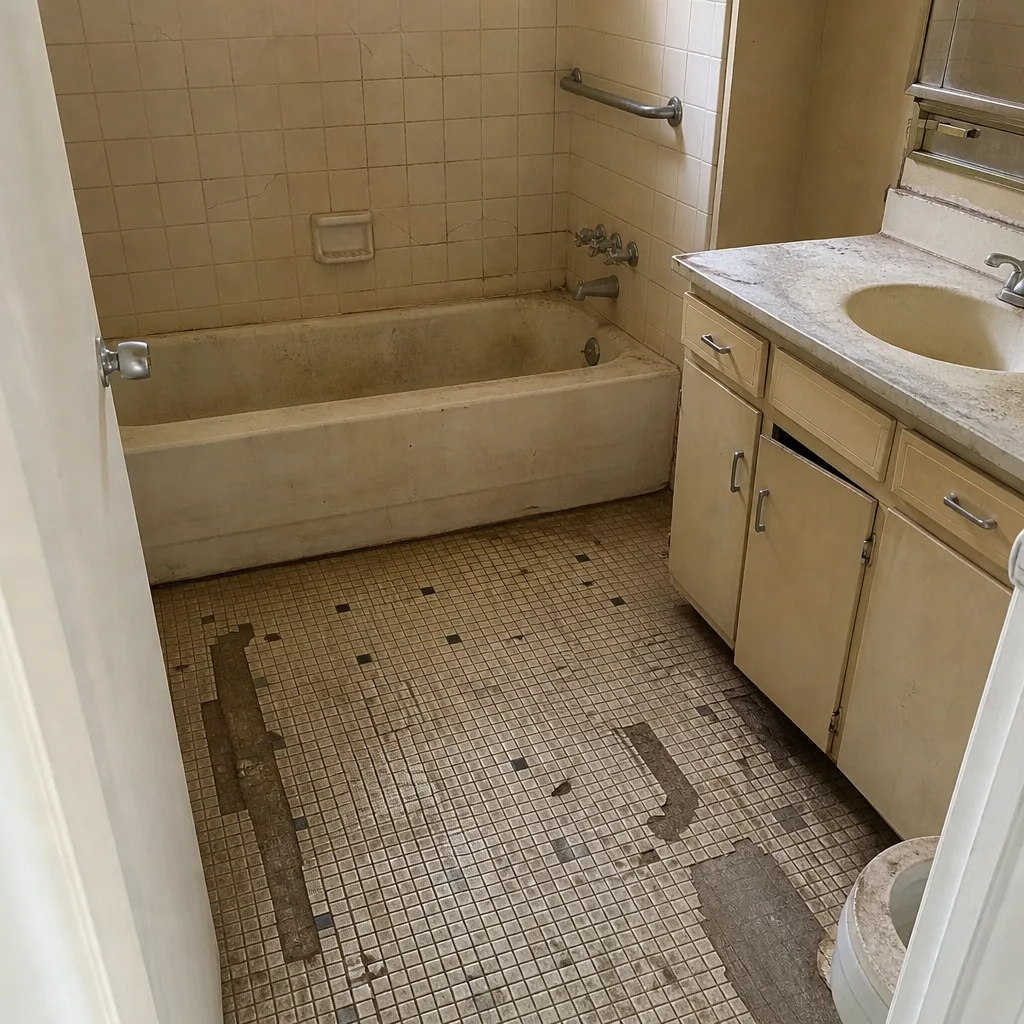 Before
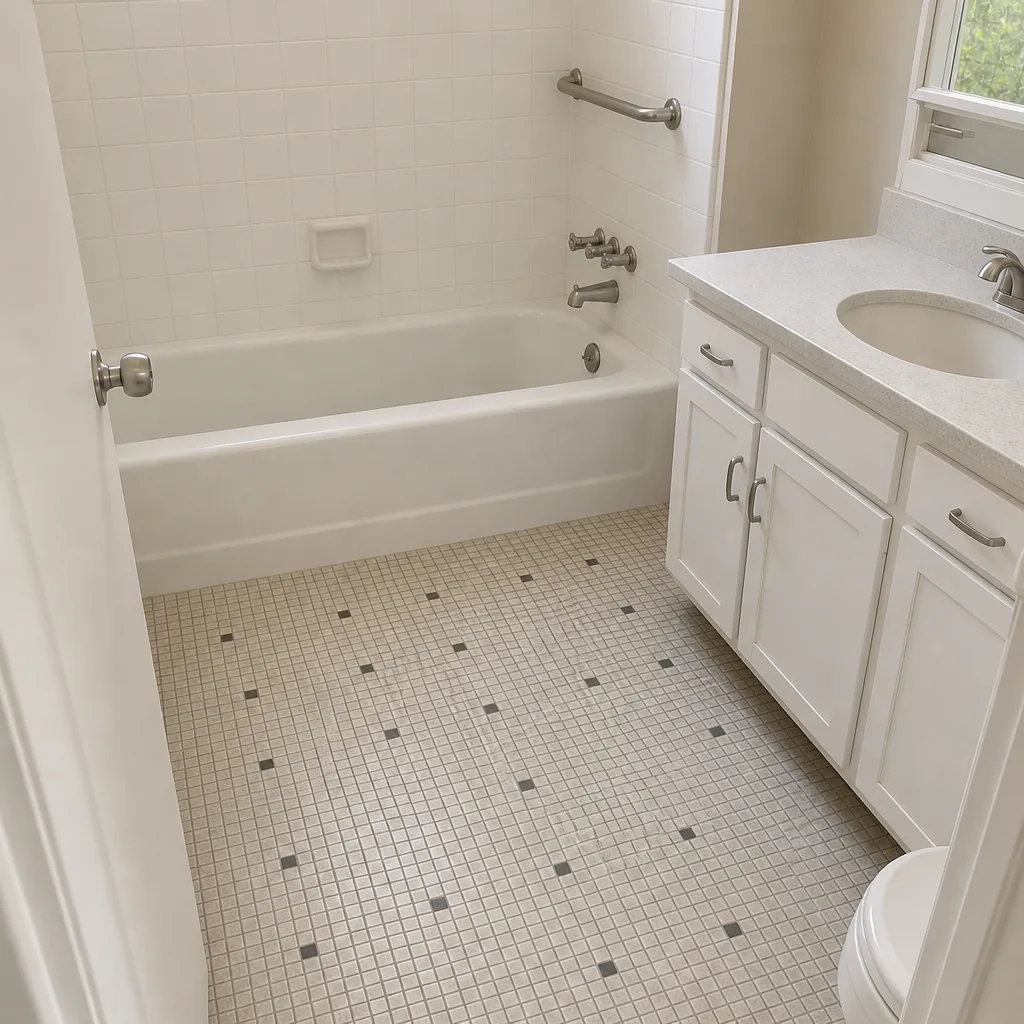 After
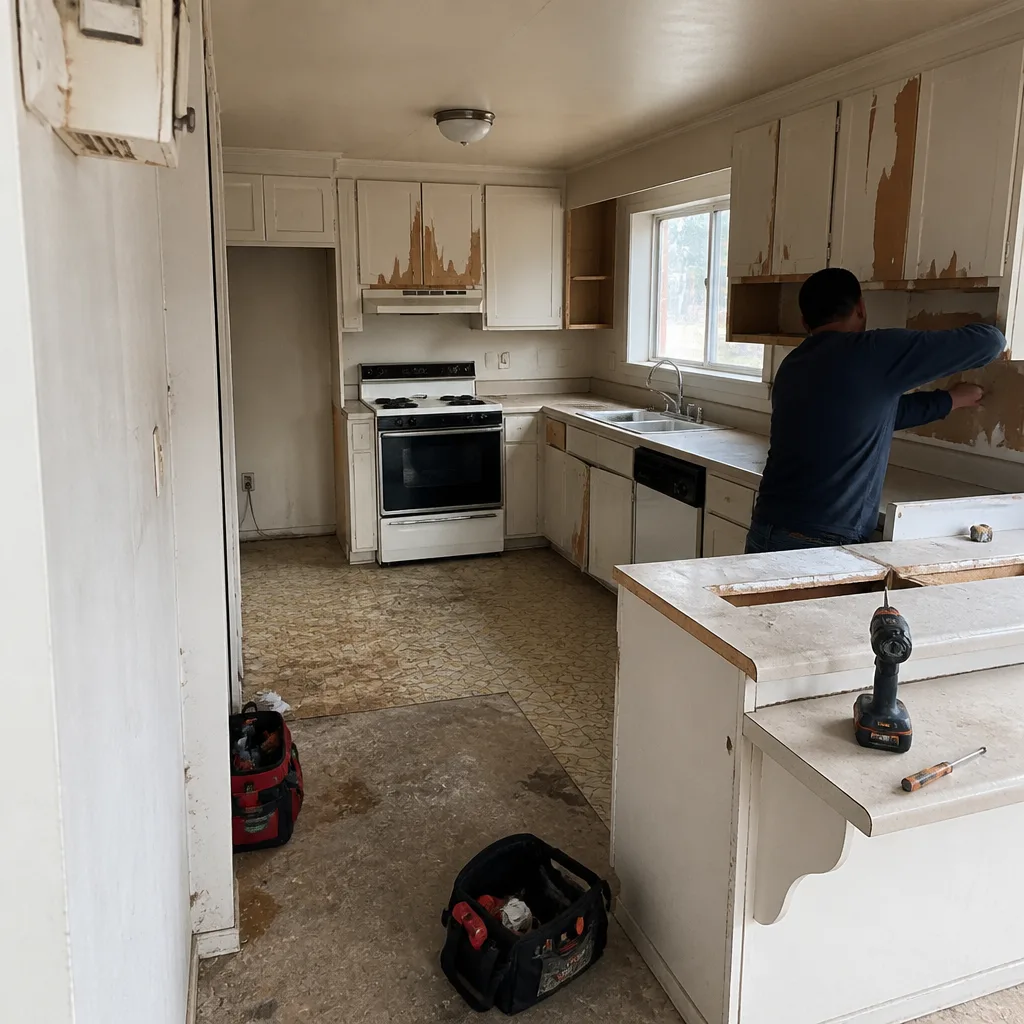 Before
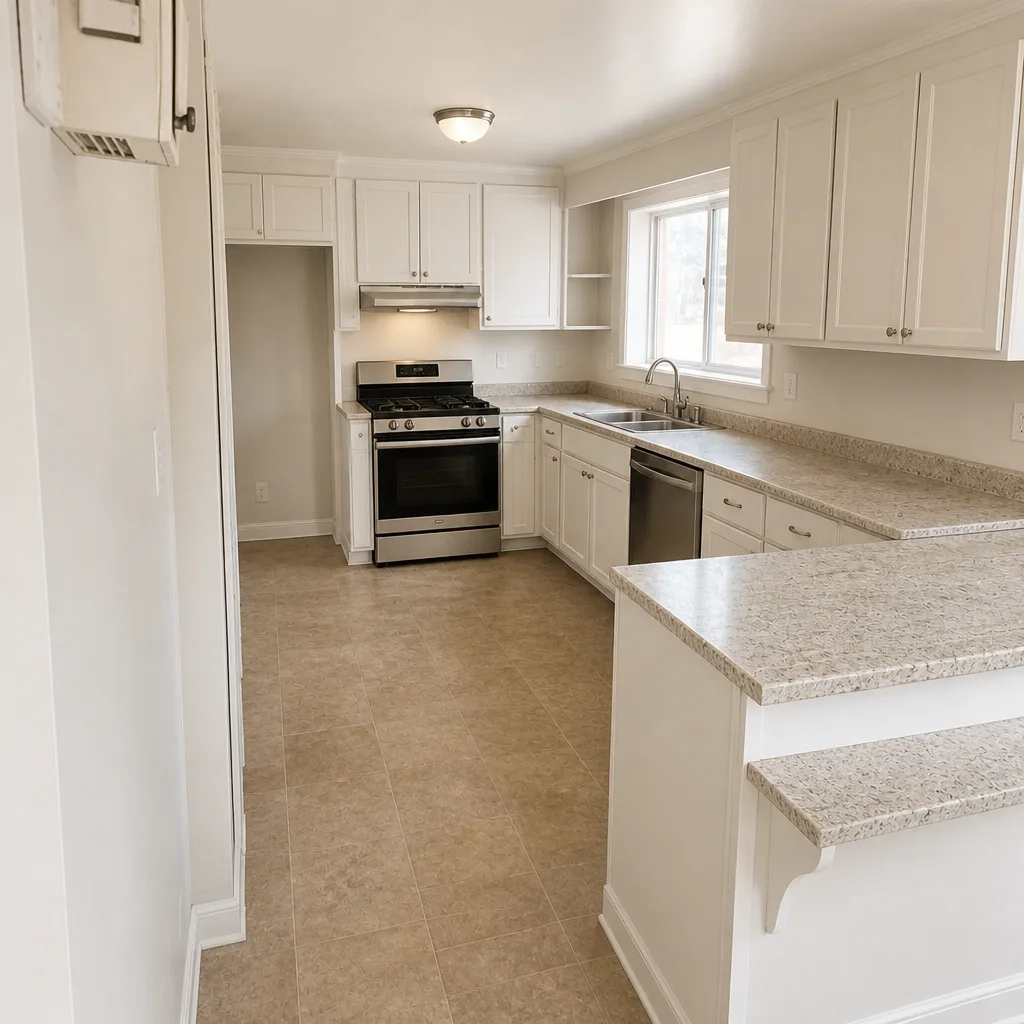 After
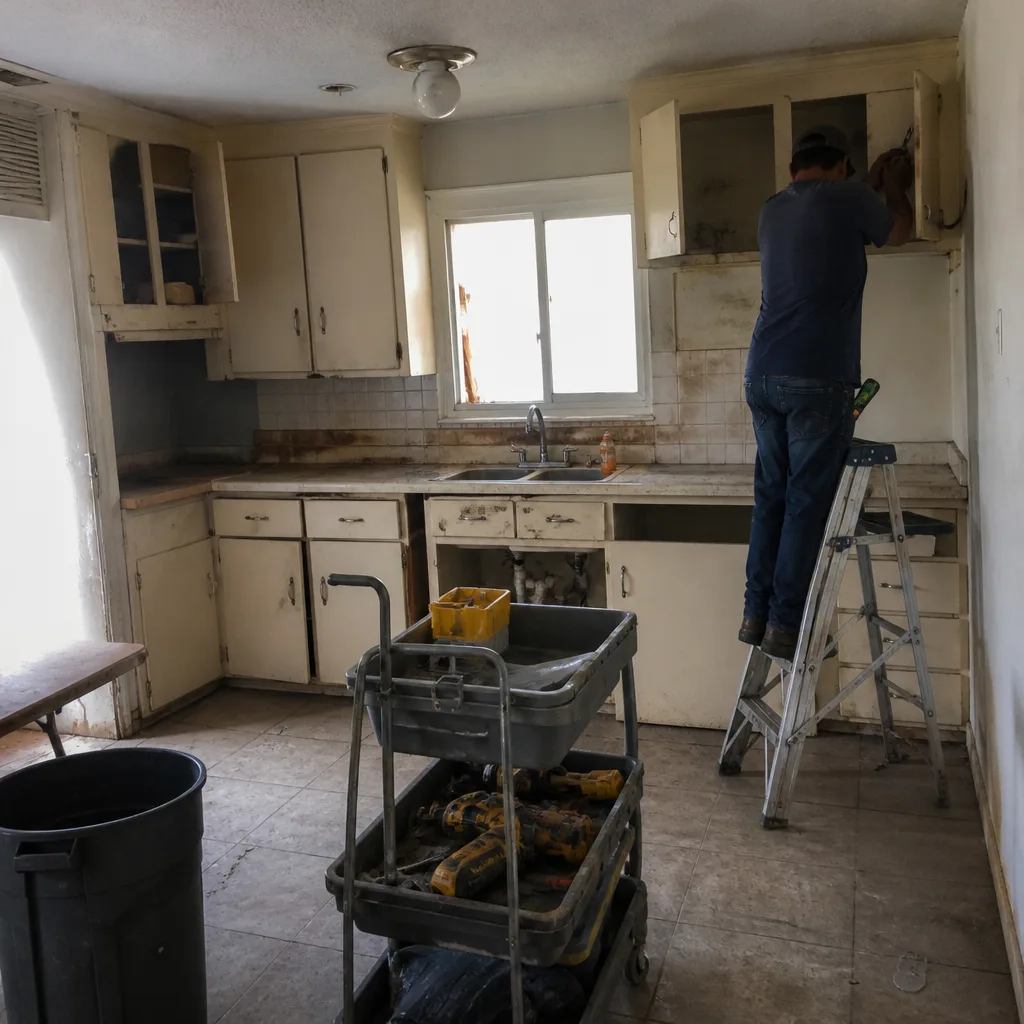 Before
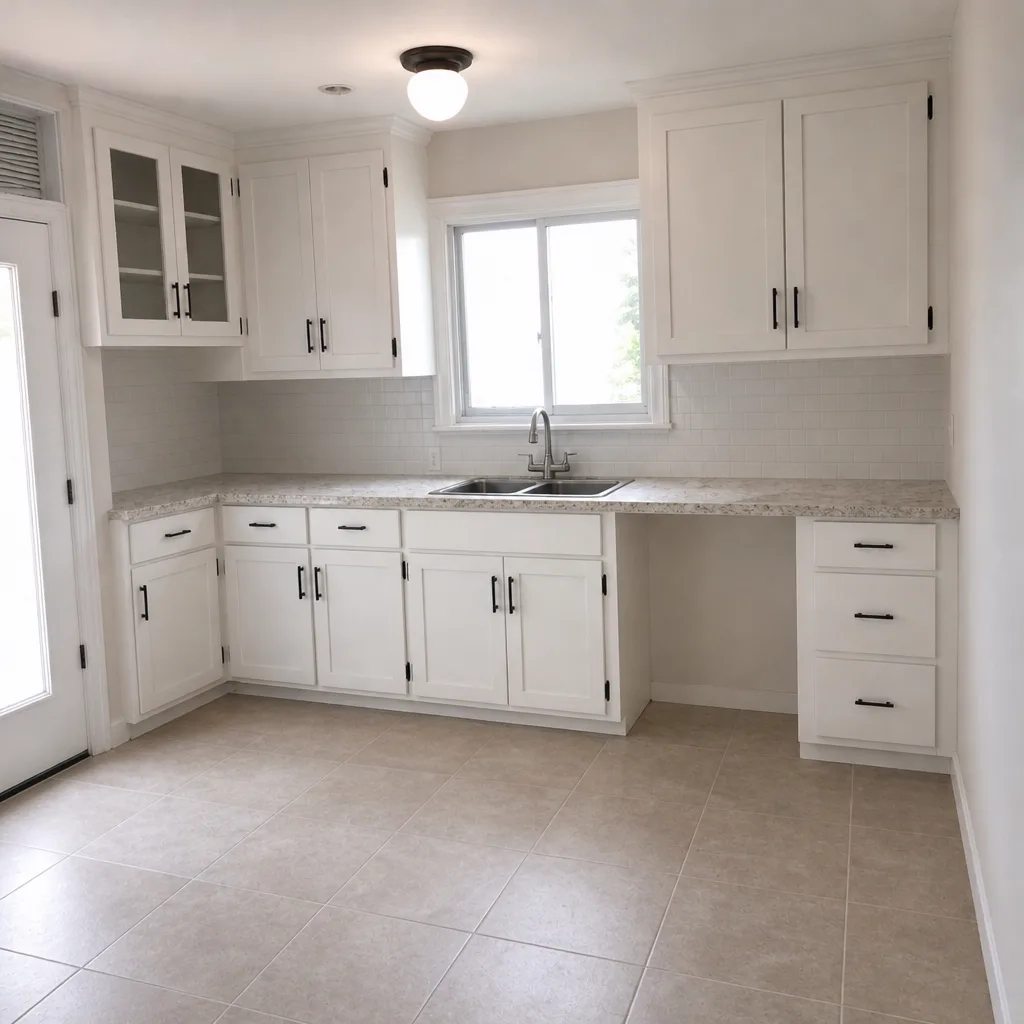 After
When to Call a Professional
Some jobs are okay for a careful homeowner with time and the right tools. Most of what we cover here isn’t. Roofing and window replacement involve height and structural attachment. Structural renovations require engineering and permits. ADU projects need utility connections and setbacks. Any panel, wiring, or gas line change is a hard stop for a homeowner; that work needs a licensed electrician or plumber, every time.
The other good reason to call: budget reality. If you’re pricing a Pomona project and the numbers in your head were built against either Los Angeles or the High Desert, a professional estimate will reset them honestly. Construction Pomona covers driveways and pavers through roofing, kitchens, bathrooms, windows, doors, fencing, and ADU additions, so one contractor can handle every phase. Construction Pomona offers free estimates in Pomona. Call (844) 320-5194. We answer 24/7. Fast dispatch from 7am to 7pm, Sunday through Friday.
Frequently Asked Questions
A Pomona kitchen remodel in 2026 typically runs $250 to $600 per square foot, or roughly $50,000 to $120,000 for a standard 200-square-foot kitchen, depending on cabinet tier, countertop material, and whether the scope includes structural or plumbing changes. The free written estimate is what sets your final price. Call (844) 320-5194 to schedule yours.
Prefab ADUs usually come in lower on the factory price, but the installed totals converge once you add site work, foundation, and utility runs. Prefab runs roughly $140 to $280 per square foot before site work, and site-built additions typically run $180 to $350. Pomona’s larger lots generally make both paths feasible. Call (844) 320-5194 for a site-specific comparison.
Not on a properly written estimate. Change orders happen when the scope is vague or when an unexpected condition appears after demolition, such as original-galvanized plumbing or a rotted subfloor. A written line-item estimate with a clear change-order policy keeps surprises rare and the price fixed except for documented conditions. Call (844) 320-5194 for an estimate written that way.
Yes. Structural work, additions, roofing replacement, and any electrical or plumbing change require a permit from the City of Pomona, and that work gets inspected. Our written estimates identify which permits are included and whether the fee is pass-through. Call (844) 320-5194 to talk through what your project will need.
Sometimes slightly, and often not at all. KraftMaid versus a private-label cabinet, or Cambria versus an unnamed quartz, can be surprisingly close, and the price you save on a no-name product is often the price of the manufacturer warranty you gave up. On roofing, the difference between GAF, CertainTeed, and Owens Corning tiers is measured mostly in the warranty line, not the tile. Call (844) 320-5194 to compare the actual numbers on your project.
Timing is scope-driven. A residential re-roof is usually a matter of days once materials are on site; a full kitchen typically runs several weeks; an ADU is a multi-month project once permitting begins. The estimate should give you a written schedule with inspection points marked. Call (844) 320-5194 to talk through a realistic timeline for your Pomona project.
The Bottom Line
Pomona’s construction costs sit in a specific band, and the homeowner who knows where the band actually is negotiates from strength. Anchor estimates against Pomona pricing, not just L.A. or High Desert numbers. Separate fixed costs (permits, engineered lumber, labor minimums) from specification flexibility (cabinet tier, paver brand, countertop material). And read every estimate as a scope document, because vague lines are where change orders live.
If you’re ready to price a project accurately, that’s what we do. Products from a specific material roster and install backed by the manufacturer is what you should expect from any bid you compare. Call (844) 320-5194 for a free estimate with line items you can read.
Written by the team at Construction Pomona.