Last updated November 18, 2026
Free written scope consultation - allowances, timeline, and change-order rules on paper before a single trade is scheduled
Choosing the Right Construction Brand: A Buyer’s Guide for Pomona
Several composite decking brands that carry strong national reputations are tested and rated for moisture – the dominant failure mode in Seattle and Portland – not for the sustained 105°F surface temperatures that are routine on a south-facing Pomona deck in August. That single mismatch explains why homeowners sometimes buy a genuinely premium product and watch it underperform anyway. Brand selection in construction isn’t about prestige. It’s about matching warranty terms, distribution infrastructure, and product performance specifications to the climate and usage conditions the material will actually live in. This guide walks through how to read technical data sheets for heat and UV ratings, what “limited lifetime” really covers on roofing, windows, and composite materials, why local distribution changes warranty logistics, and which brand families earn their place category by category in Pomona.
Quick Answer
The right construction brand for a Pomona project is the one whose performance specs are written for Inland Empire heat and UV exposure, whose warranty is honored through local distribution, and whose installer holds the certification level that unlocks the full warranty. Prestige alone means little. Match the spec sheet to your climate, read the warranty exclusions, and confirm your contractor is certified at the tier the manufacturer requires, and you’ll avoid most of the expensive mistakes covered below.
Styles & brands we work with
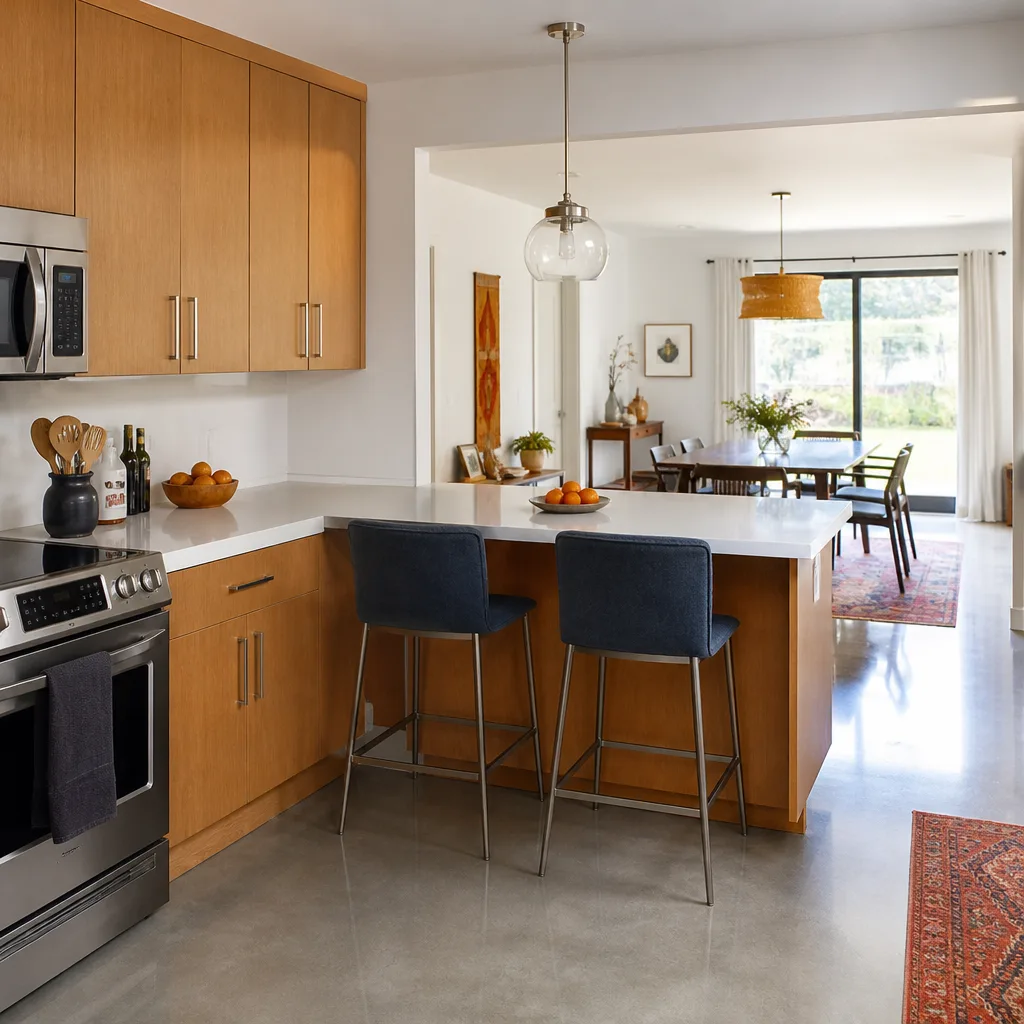
- Kitchen remodeling
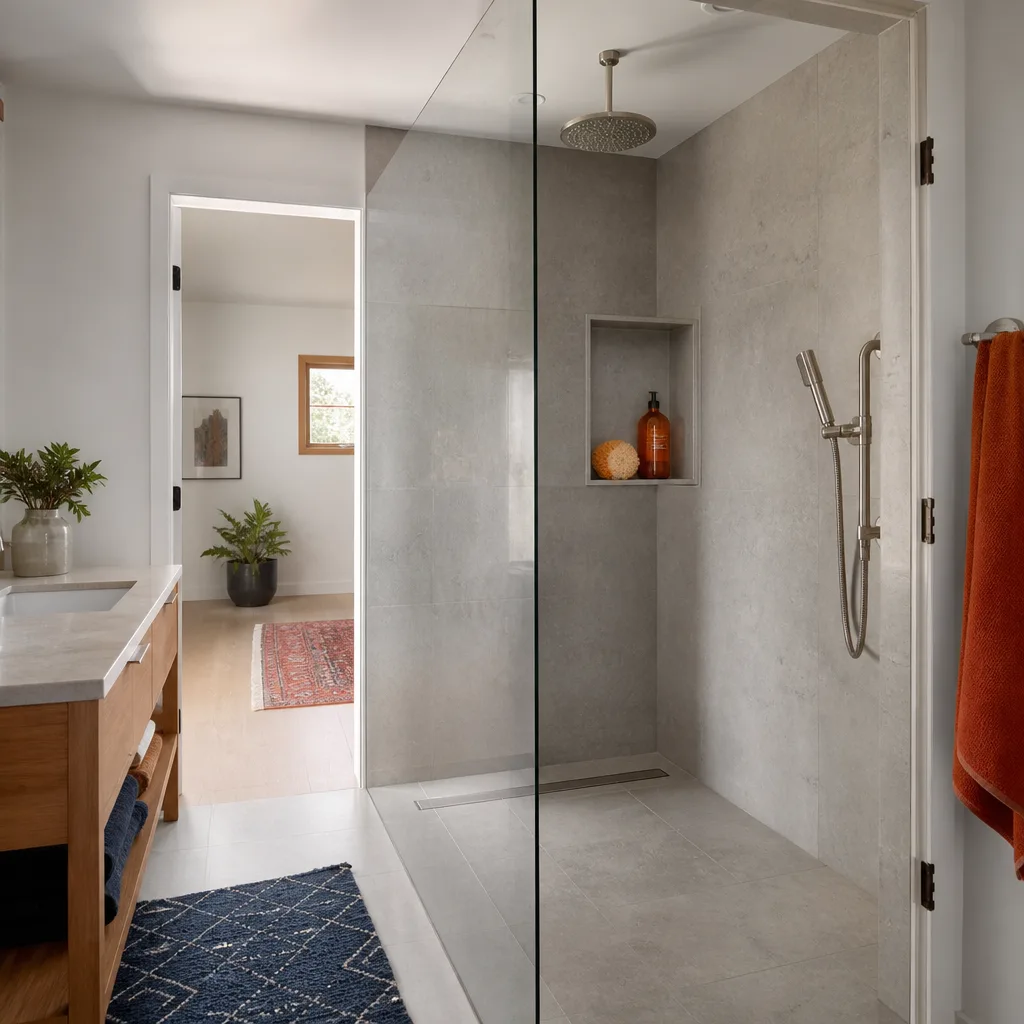
- Bathroom remodeling
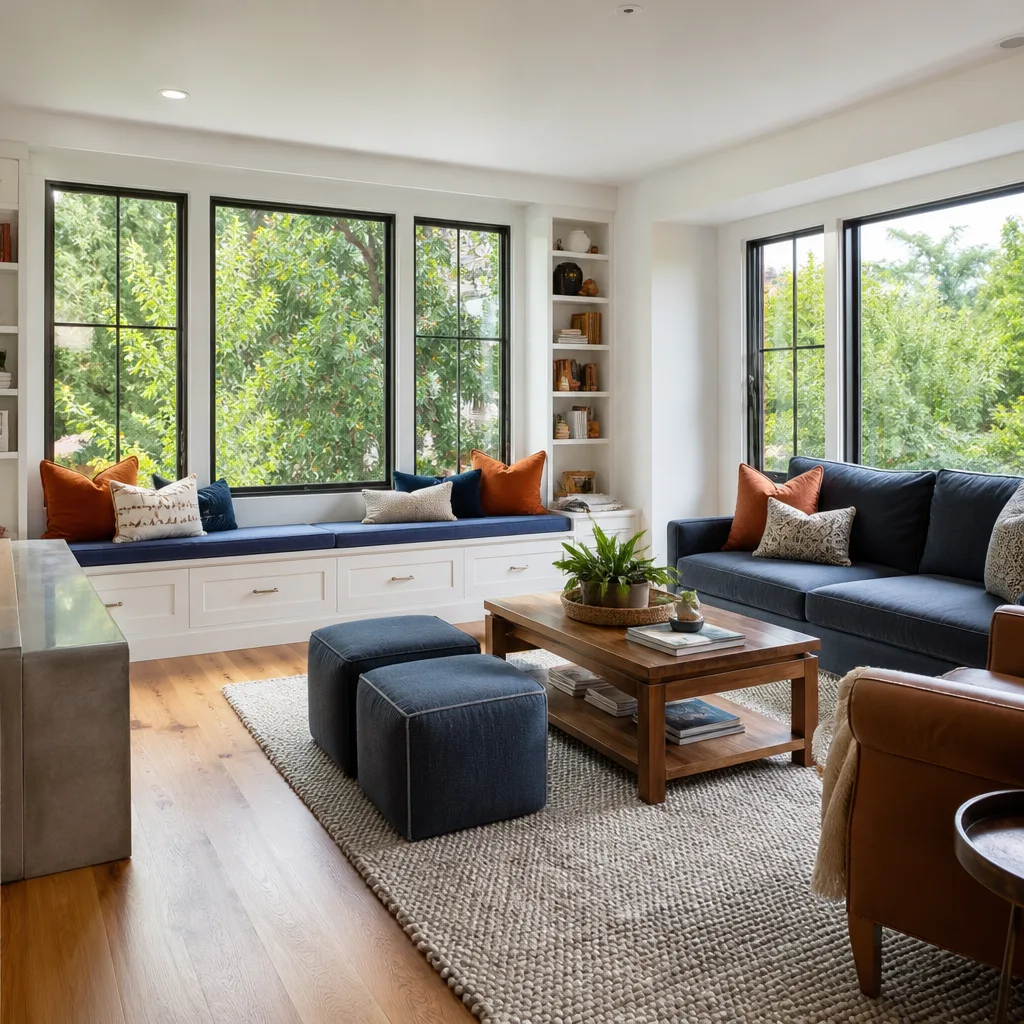
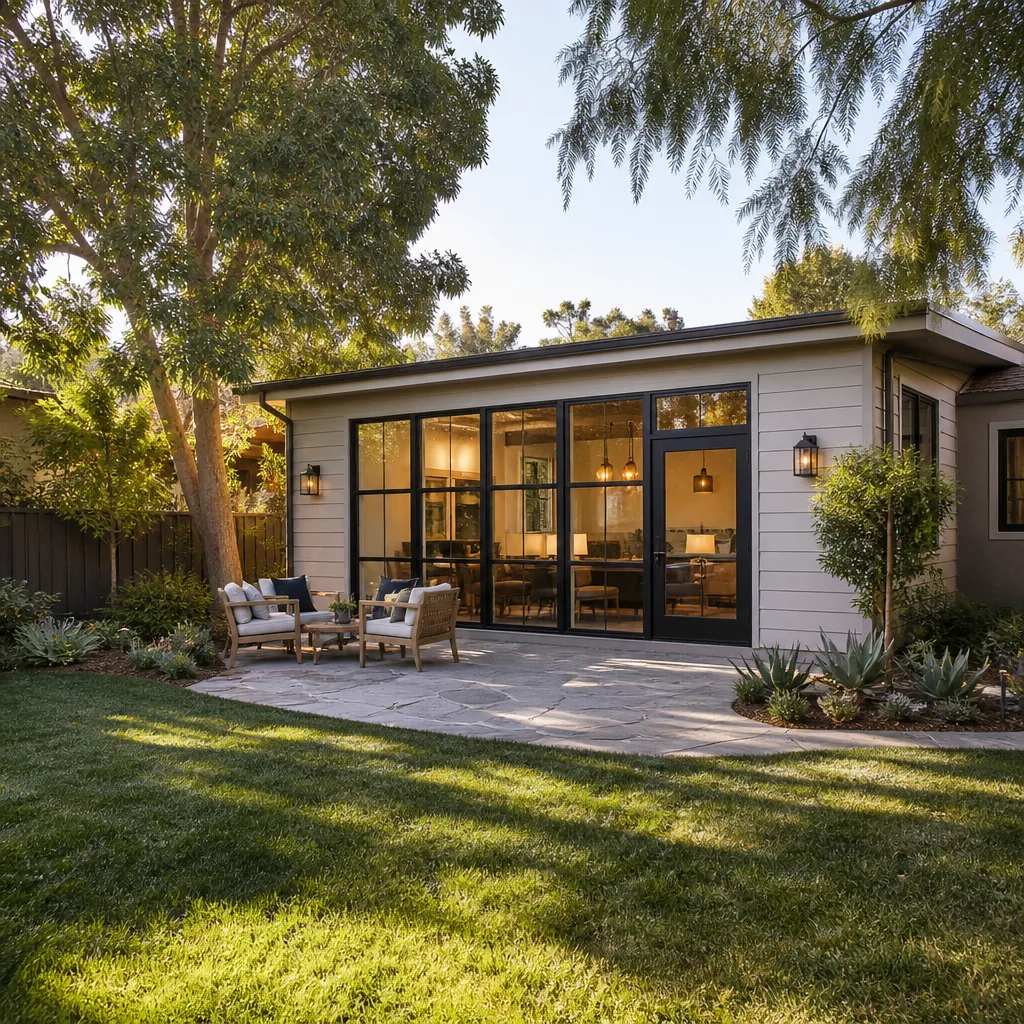
- Home additions & ADU
- Roofing
- Windows & doors
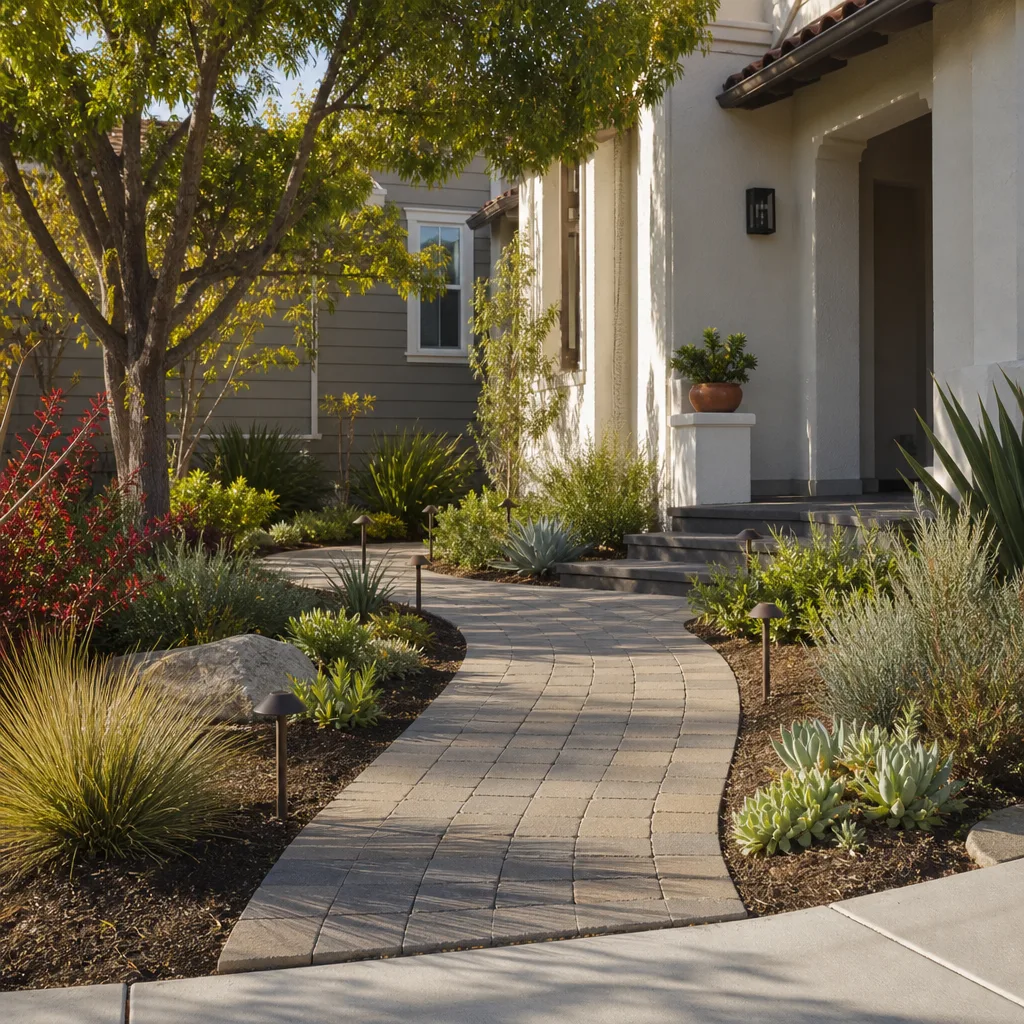
- Driveway & pavers
- Fence
Table of Contents
- Why Pomona’s Climate Rewrites the Brand Question
- How to Read a Technical Data Sheet for Heat and UV
- What “Limited Lifetime” Actually Covers in California
- Why Local Material Distribution Matters
- Category-by-Category Brand Guidance
- How Contractor Certifications Change Your Warranty
- ADU Brands: Prefab Versus Custom
- Common Mistakes to Avoid
Why Pomona’s Climate Rewrites the Brand Question
Pomona sits in the eastern stretch of Los Angeles County where the marine layer rarely reaches. Summers bring long runs of triple-digit afternoons, and the sun angle through June and July pounds any surface facing south or west. Winters are mild enough that heat degradation, not freeze damage, is the failure mode you plan around. That flips the usual brand logic on its head.
Most national building product marketing is calibrated to the wettest, coldest markets, because that’s where the biggest volume sits. A roofing shingle rated for prolonged moisture cycling, a composite deck board engineered against rot, a window system tested against condensation – these are real engineering strengths, but they don’t tell you much about how the same product performs at 160°F surface temperature on a July afternoon in Pomona.
What matters in Pomona:
- UV stability ratings. Exterior finishes fade and chalk from cumulative sun exposure. Look for products with published weatherometer testing hours, not just a color-fastness promise.
- Heat deflection temperature. Composites, vinyl, and some sealants soften and sag as surface temps climb. A published deflection temperature tells you the ceiling.
- Thermal expansion coefficients. Materials that grow and shrink significantly with temperature swings need specific installation gaps. A brand that specifies tight tolerances for a cool climate may buckle here.
- Color and finish warranty tiers. Many manufacturers carve fade coverage into separate, shorter warranty periods than structural coverage. That distinction is where Pomona homeowners get surprised.
None of this means national brands are wrong for Pomona. It means the spec sheet matters more than the logo on the box. When we evaluate materials for a Pomona job, climate-spec fit comes before brand recognition, every time.
How to Read a Technical Data Sheet for Heat and UV
Manufacturers publish technical data sheets for nearly every product sold in California, and they’re free to request. The trap is reading only the marketing brochure. The data sheet is where the real numbers live. Here’s how a homeowner can meaningfully evaluate one in about ten minutes.
- Find the service temperature range. Look for a line labelled “service temperature,” “continuous use temperature,” or “heat deflection temperature.” If a decking or siding product tops out below 150°F, ask hard questions about a west-facing Pomona wall.
- Locate the UV or weathering test data. You want hours of accelerated weathering (often under headings like “QUV” or “xenon arc”) and the criteria measured – color change, gloss retention, chalking resistance. A product with no published weathering data isn’t necessarily bad, but you’re guessing.
- Check the thermal expansion spec. Look for a coefficient of thermal expansion, often written as in/in/°F. Higher numbers mean the installer must leave larger gaps and use specific fasteners. Confirm the contractor’s installation method reflects the actual number.
- Read the limitations section. This is the section nobody reads, and it’s the most important one. It will tell you what substrates, climates, or applications void the warranty – including whether the product is even rated for the exposure your Pomona project creates.
- Cross-reference the installation manual. The data sheet tells you what the product is; the installation manual tells you what the manufacturer will require to honor a claim. Both documents should agree with what your contractor proposes.
If a contractor can’t produce the data sheet or doesn’t know where the heat rating lives, that’s a signal. We keep manufacturer documentation on hand for every product line we install, precisely because Pomona’s climate makes those numbers non-negotiable.
What “Limited Lifetime” Actually Covers in California
The phrase “limited lifetime warranty” appears on nearly everything sold to homeowners and means something different on almost every product. The word “limited” is doing all the work. Knowing what each category’s warranty actually covers protects you far more than the marketing language does.
Roofing warranties
Roofing warranties usually split into two parts: a materials warranty from the manufacturer and a workmanship warranty from the installer. The materials warranty on a standard asphalt shingle is often “limited lifetime” for the shingle itself, but the coverage amount typically prorates after a set number of years, and it may exclude labor entirely. The labor is usually the bigger expense. That’s why the workmanship warranty and the contractor’s certification tier matter as much as the shingle brand – covered in detail below.
Window and door warranties
Window warranties are usually broken into glass, frame, and hardware components, each with its own term. Glass seal failures – the fogging between panes – are commonly covered for a defined period that’s shorter than the frame warranty. California’s intense sun exposure accelerates seal failure, so that specific clause is worth reading twice. Ask whether the warranty covers the seal directly or only the insulated glass unit as a whole.
Composite and exterior material warranties
Composite decking and siding warranties typically cover structural integrity for one period and fade or stain resistance for a shorter one. Many manufacturers require registration and may require proof of specific installation methods. In a climate like Pomona’s, fade coverage is the clause that actually gets used. Confirm the fade term, whether it prorates, and what documentation the manufacturer requires at claim time.
One practical rule: get the full warranty document before you sign a contract, not after. Read the exclusions first. Then confirm your installed product and installation method fall inside them.
Why Local Material Distribution Matters
A warranty is only as good as the logistics behind it. If a product fails and the replacement material has to ship from a warehouse three states away, the homeowner waits – sometimes for weeks – while the failed material stays on the house or the deck. That waiting period is where local distribution quietly earns its value.
Brands with strong distribution through Pomona-area building suppliers tend to have three advantages:
- Faster replacement. Material stocked regionally can be pulled and delivered in days, not weeks. That’s the difference between a warranty claim that feels like a fix and one that feels like a fight.
- Better color and dye-lot matching. Exterior materials fade in Pomona sun, and a replacement batch needs to match the current appearance of installed product. Local suppliers who move volume tend to have fresher stock and better lot continuity.
- Documented supply chain for claims. Manufacturers sometimes want proof of purchase and a clear distribution trail. Buying through a recognized regional supplier makes that paperwork straightforward.
Brands sold primarily direct-to-consumer online can be excellent products, but their warranty claim pathway is often slower and less local. For a Pomona project where exterior exposure is high and replacement urgency is real, that’s worth weighing.
This is also why the roster of brands we source is deliberately curated. Working with 50+ established manufacturers across cabinetry, countertops, fixtures, roofing, windows, doors, fencing, and hardscape means we can match a product to your build and still know the supply chain runs reliably in this region. If you’re comparing your options across a full-property project, we’ve put the practical version of that comparison together on our Construction Pomona page and broken down the specific category choices on our driveway & pavers page.
Category-by-Category Brand Guidance
Brand quality is category-specific. A manufacturer that dominates roofs may not make a great window. Here’s how the major exterior categories stack up when evaluated against Pomona’s heat and sun exposure, focused on manufacturer families that publish real engineering data.
Roofing
Roofing in Pomona takes sustained UV and heat cycling, and the failure mode is usually granule loss, seal failure at the underlayment, or premature aging of the shingle mat. Brands with broad product lines – standard asphalt, designer, and impact-rated systems – let you match the shingle tier to the roof’s exposure. GAF, CertainTeed, Owens Corning, IKO, Atlas, Tamko, and Boral all publish reflective and cool-roof options that lower attic heat gain, which matters in a Pomona summer. Choose by reflective rating, warranty tier, and the manufacturer’s certified installer requirements, not by celebrity endorsements.
Windows and doors
Window performance in this climate turns on solar heat gain and UV transmission, more than on insulation against cold. Look for published Solar Heat Gain Coefficient (SHGC) and UV-blocking numbers, and favor manufacturers who explicitly rate coatings for high-altitude sun exposure. On doors, exterior finish warranty terms matter – a door that finishes beautifully but fades on a west-facing Pomona wall is a problem. Confirm the product’s thermal expansion and finish warranty before committing.
Decking and exterior cladding
As the opening noted, many decks are engineered for moisture resistance. For Pomona, weight UV fade and heat deflection more heavily. Ask the manufacturer for weatherometer test hours and the surface temperature the product is rated to. Narrow the field to products with published high-temperature test data.
Flatwork and hardscape
Concrete and paver performance in Pomona is largely about color stability and thermal stress. Belgard, Techo-Bloc, Cambridge Pavers, Unilock, and Tremron all publish engineering specs and warranty programs for their pavers. Favor products with a specified color-fastness rating and a documented resistance to efflorescence and surface heat.
Fencing
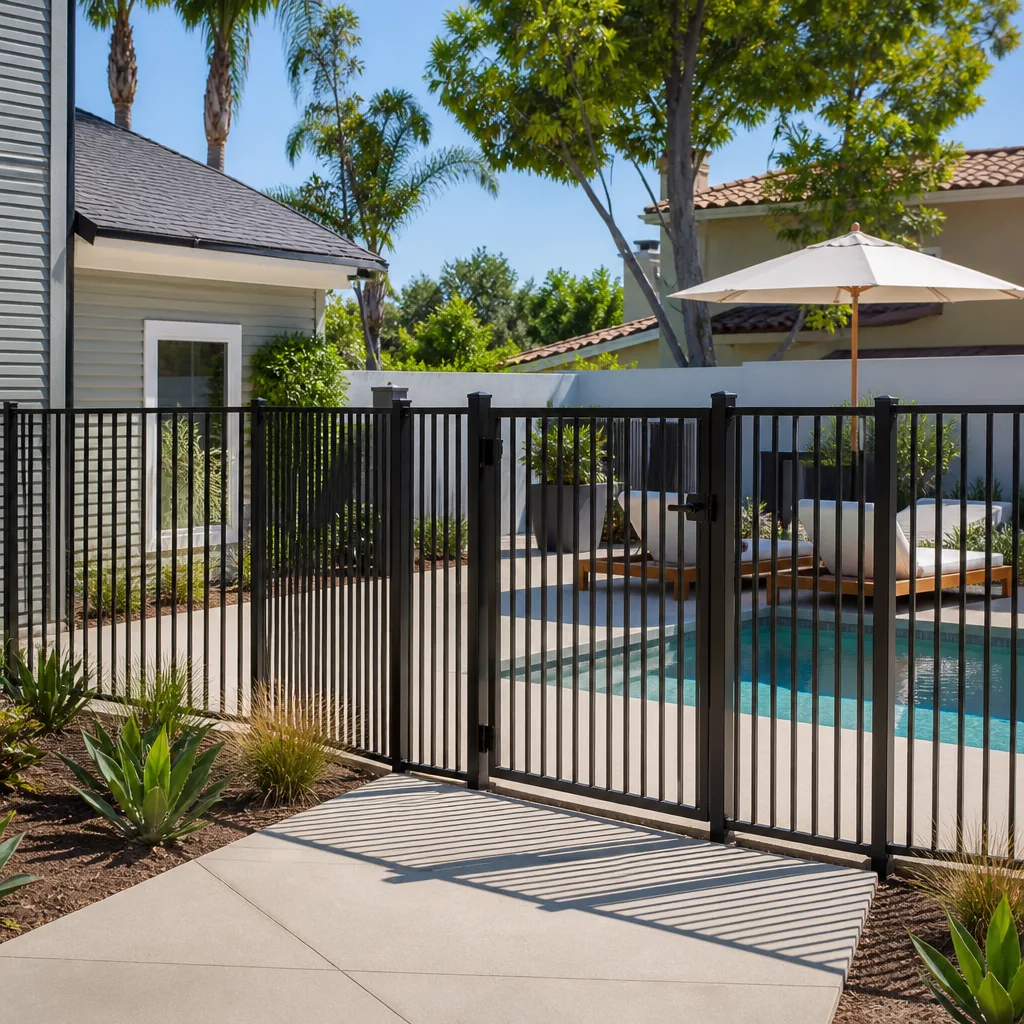
Fence brands like Barrette, Master Halco, and Jerith publish warranties and product specs that hold up to sustained sun. Vinyl and composite fencing in particular need fade and warpage clauses checked. Ornamental metal and wood fences need finish and fastener specs that survive dry summer heat without rusting prematurely.
Interior categories
Kitchens and baths are less exposed to sun, so brand choice there leans more on warranty length and installation certification. KraftMaid and Wellborn cabinetry publish warranty terms tied to installation method. Countertops from Cambria, Silestone, and Caesarstone carry specific heat and stain warranties worth reading. Kohler, Moen, and Grohe fixtures publish finish warranties that stack up against the manufactured warranties of competing brands. Our home additions & ADU page covers how these interior choices combine in phased projects.
How Contractor Certifications Change Your Warranty
This is the part most homeowners never hear about. Many major manufacturers tier their contractor certification – the levels are usually something like “authorized,” “certified,” “master,” and sometimes a premium tier. The level matters because the warranty you receive often depends on it.
Trim shingle warranties up front: a GAF system warranty may require a certified installer at a specific tier. CertainTeed’s warranty tiers work the same way. James Hardie’s siding warranty requires an approved installer for the full product warranty. Owens Corning’s system warranties specify the level of certified contractor needed. In each case, a non-certified installer may still install the product, but the homeowner ends up with a reduced or basic warranty – often years shorter than the marketing claims.
How to verify a contractor’s certification for the product on your bid:
- Ask for the manufacturer’s certification tier by name. Generic “authorized installer” language isn’t enough. The specific tier determines the warranty tier.
- Verify on the manufacturer’s website. Every major manufacturer publishes a certified-contractor lookup. Cross-check before signing.
- Confirm the system, not just the shingles. System warranties cover shingles, underlayment, starter, and ridge vent together. If a contractor substitutes a non-manufacturer component, the system warranty can be affected.
- Get the installation method in writing. Warranty coverage can be voided by specific deviations from the installation manual. Confirm the manual is being followed in writing.
For a Pomona project where the sun exposure is going to test the warranty eventually, that certification step is worth the effort.
ADU Brands: Prefab Versus Custom
Accessory dwelling units are a large enough category in Pomona that brand selection deserves its own frame. A homeowner evaluating an ADU is choosing between two very different product models: a site-built custom addition or a prefab/modular unit manufactured off-site and delivered. The brand landscape is different for each.
Prefab ADU manufacturers and brands worth evaluating include Abodu, Dvele, Mighty Buildings, Plant Prefab, Boxabl, and Cover. Each sits at a different point on the cost-to-customization spectrum. The right choice depends on your lot, your timeline, whether the unit needs to match the existing house architecture, and how much customization you need in layout. These brands publish site requirements and finish schedules that we review against each Pomona property before recommending an approach.
Site-built ADUs pull from the same material categories as the rest of the house – cabinetry from KraftMaid or Wellborn, countertops from Cambria, fixtures from Kohler or Moen, roofing from GAF or CertainTeed, windows and doors from the warranty-heavy manufacturers. The advantage of a single contractor relationship across both a site-built ADU and the main house is that materials, color matching, and warranty terms can be aligned. That’s a smaller thing than it sounds and a bigger thing than it looks.
If a prefab unit’s manufacturer doesn’t use brands you can service locally, ask what the warranty claim process looks like five years in. That question usually sorts the field quickly.
Common Mistakes to Avoid
- Choosing a brand by reputation alone. A nationally famous product can be the wrong spec for Pomona heat. Always verify the actual performance rating against the local conditions before committing.
- Reading the brochure and skipping the data sheet. The heat, UV, and thermal expansion numbers live in the technical documentation. Skipping them is where most expensive failures start.
- Ignoring warranty tier differences by installer. The same shingle installed by a certified contractor and an uncertified one can produce two very different warranty outcomes.
- Selecting brands with no local distribution. A product that can only be replaced by shipping it from three states away may produce a months-long warranty process – exactly when you need a fast fix.
- Mixing brands without confirming compatibility. Systems matter: shingle plus underlayment, decking plus fasteners, window plus flashing. Using mismatched components can void coverage on an otherwise excellent product.
- Assuming “limited lifetime” means what it sounds like. Proration, labor exclusions, fade sub-warranties, and registration deadlines are where limited lifetime warranties really live.
- Not matching material selection across phases. A multi-phase Pomona remodel where the driveway, fence, and roofline are sourced from leagues apart produces a property that doesn’t visually resolve. Coordinating from one contractor relationship prevents that.
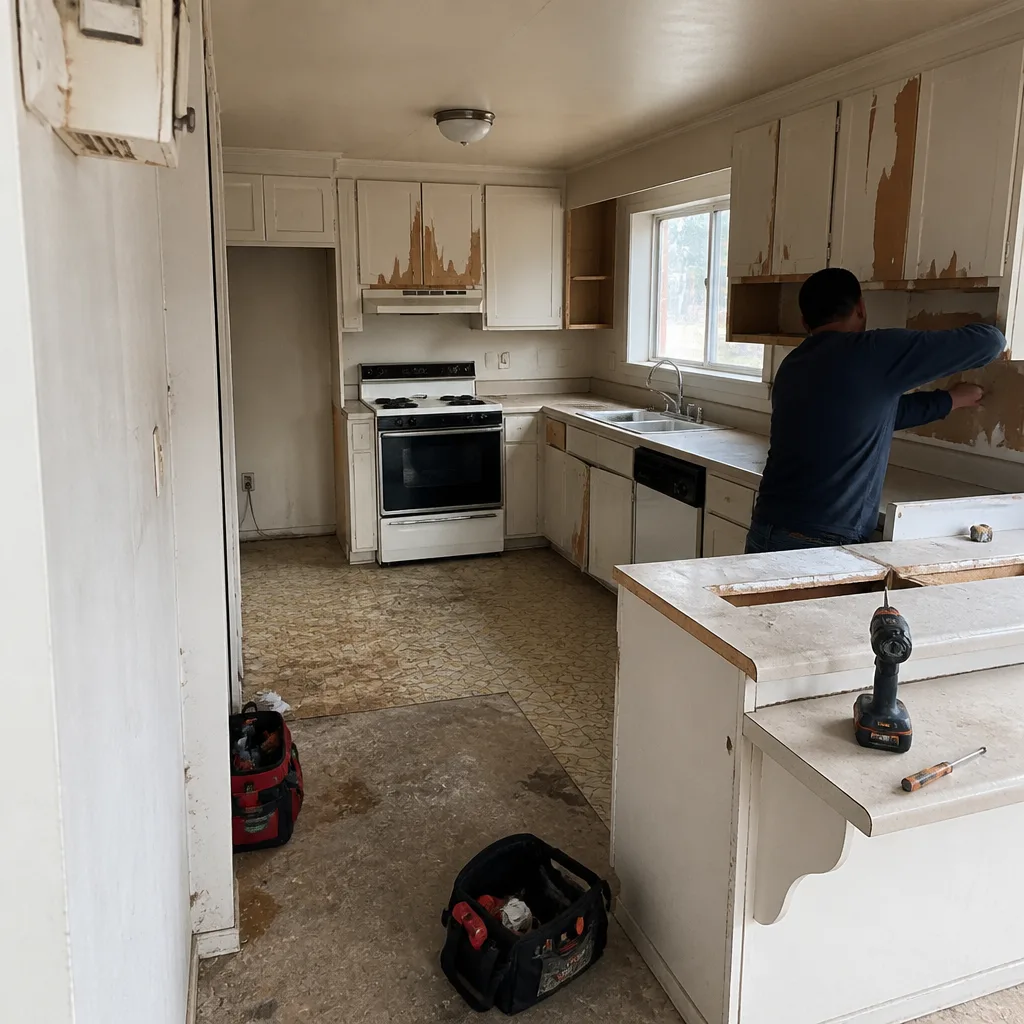
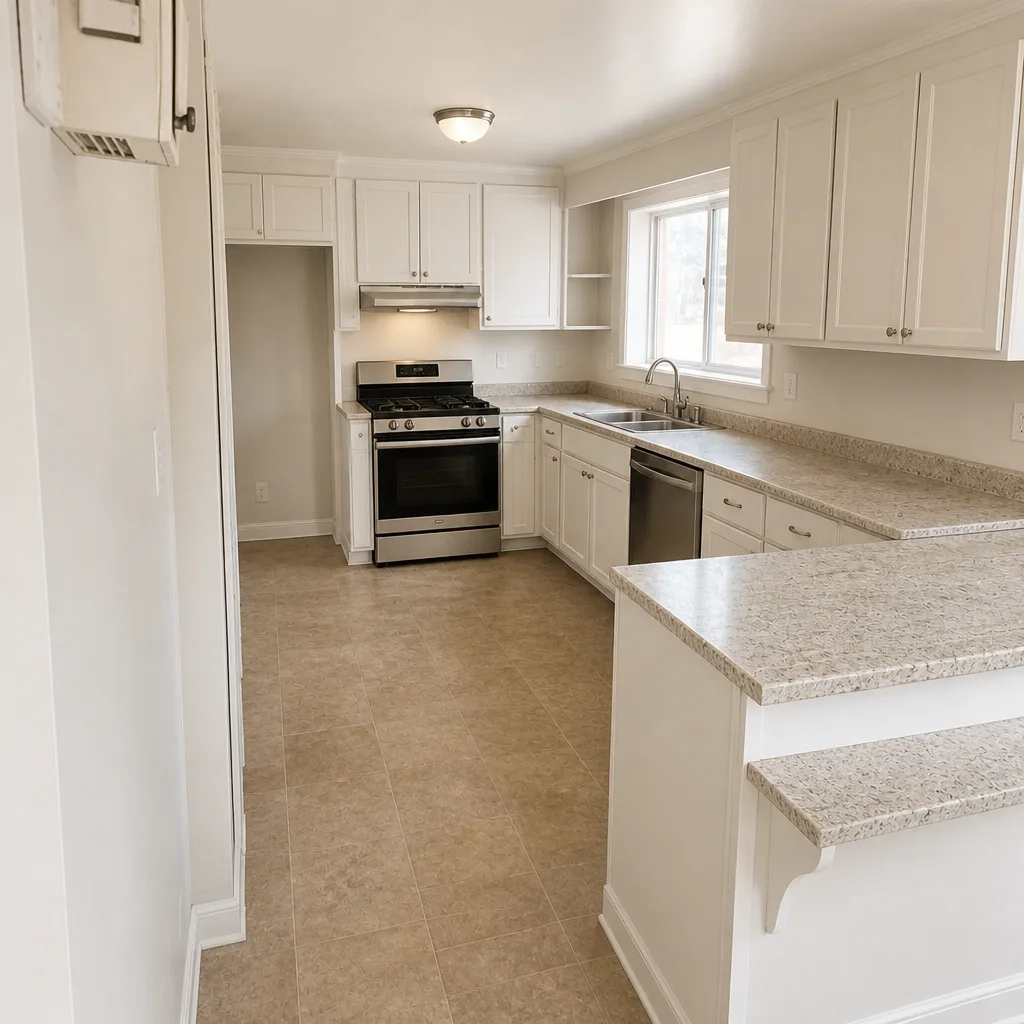
See the difference
 Before
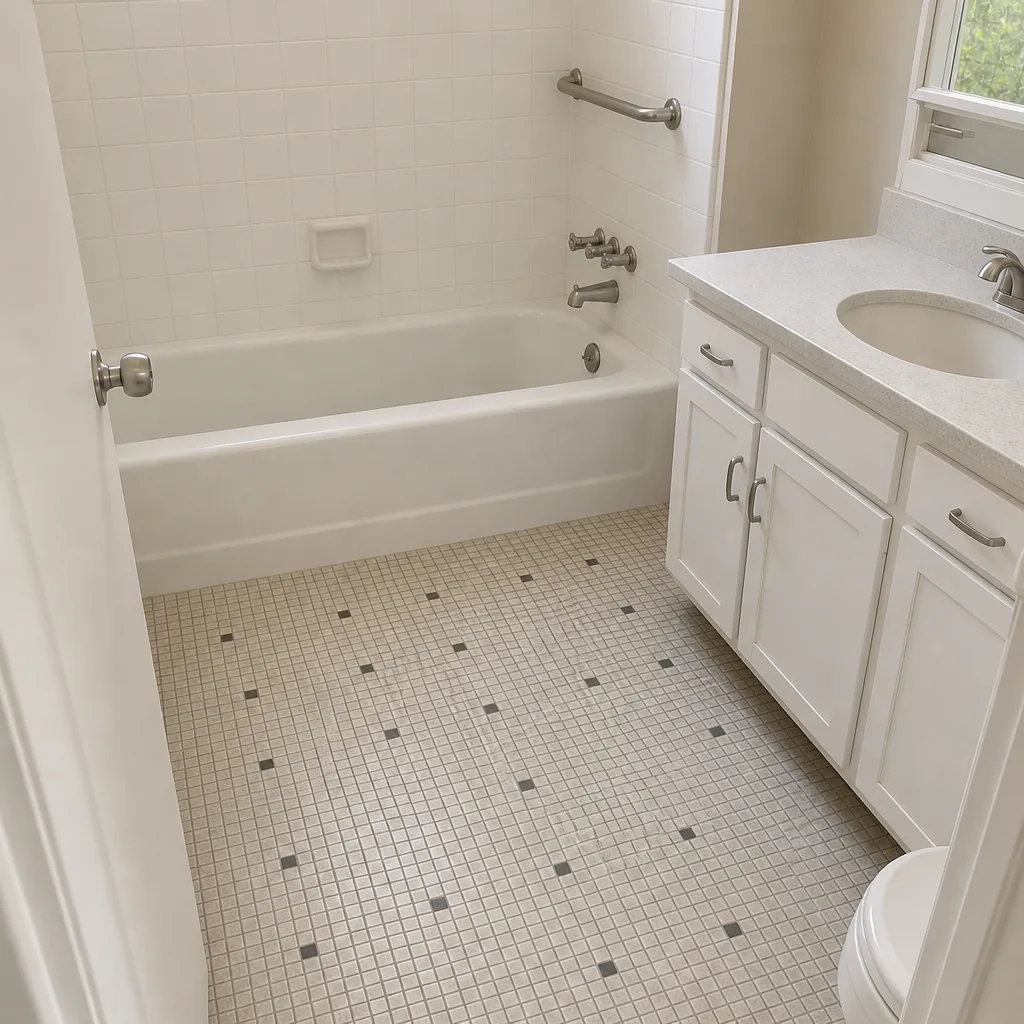 After
 Before
 After
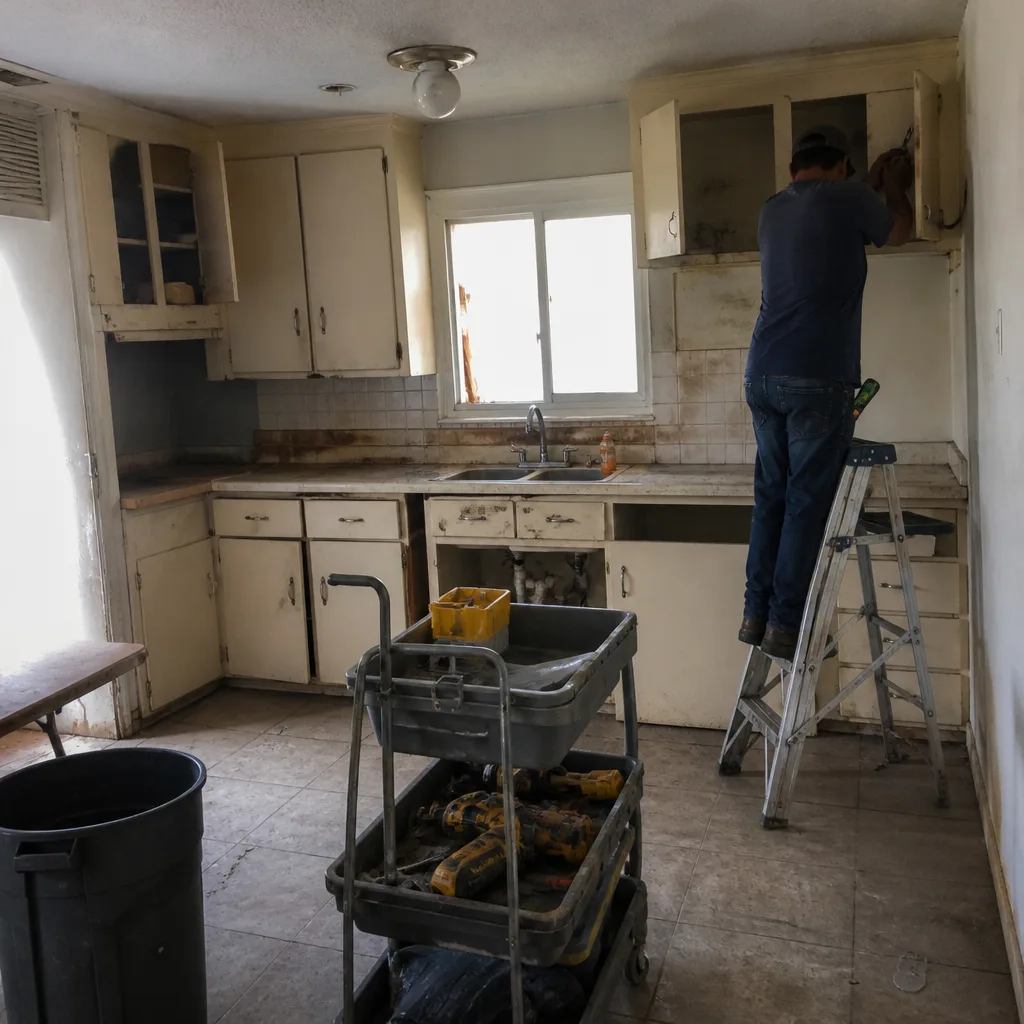 Before
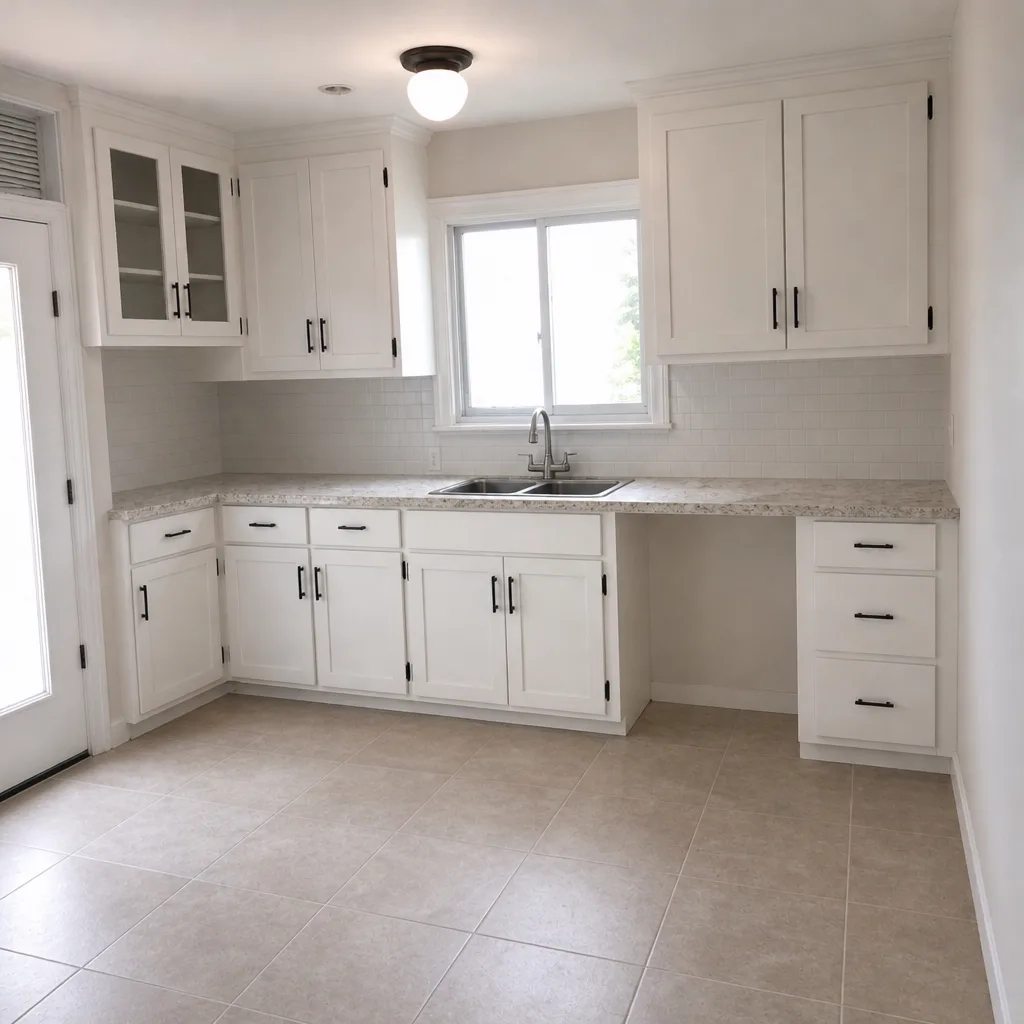 After
When to Call a Professional
Brand matching is worth doing yourself when you’re replacing a single item and you already know the spec sheet requirements. It gets harder when the decisions stack. A Pomona remodel spanning exterior envelope and interior – roofing, windows, doors, fencing, hardscape, kitchen, or bath – involves hundreds of product choices whose warranties interact. A phased project or a new ADU multiplies that further. Certification requirements alone can sink a project if a homeowner chooses a great product installed by a contractor who can’t unlock the full warranty. Construction Pomona offers free estimates in Pomona – our technicians have up to 8 years of experience and work with 50+ verified brands across cabinetry, countertops, fixtures, roofing, windows, doors, fencing, and hardscape. Call (844) 320-5194 for a written line-item estimate. We answer 24/7. Fast dispatch from 7am to 7pm, Sunday through Friday.
Frequently Asked Questions
There’s no single “best” roofing brand for Pomona – the right choice is the one whose heat, UV, and reflective ratings match your roof’s exposure and whose certified installer tier unlocks the warranty you want. GAF, CertainTeed, Owens Corning, IKO, Atlas, Tamko, and Boral all publish the spec data needed to compare, and each has tiered installer programs. The practical move is to compare reflective ratings and warranty terms across two or three manufacturers, then confirm the installer is certified at the tier the warranty requires. Call (844) 320-5194 for a free written estimate – we can walk you through the options for your specific roof.
Branded windows often outperform generics because their published Solar Heat Gain Coefficient and UV-blocking specs let you verify actual thermal performance – generic products frequently don’t publish the numbers. That verifiability is the real advantage, not the badge. Confirm the SHGC rating, the UV transmission rating, and the finish warranty term before committing. If a manufacturer can’t produce the numbers, that’s your signal. Call (844) 320-5194 for help evaluating window options for your Pomona home.
A limited lifetime roofing warranty typically covers the shingle materials for the homeowner’s lifetime on paper, but the payout prorates after a set period and often excludes labor entirely – which is usually the larger cost. The materials warranty is separate from the workmanship warranty, and the installer’s certification tier determines which warranty version applies. Read the exclusions page first, then confirm your contractor is certified at the right level. Call (844) 320-5194 for a free estimate that spells out the warranty tier in writing.
Local distribution matters because warranty replacement speed depends on where the material physically lives. A brand stocked regionally can deliver replacement material in days; a brand that ships from out of state can leave a failed deck or roof waiting for weeks. Color and dye-lot matching is also easier with locally stocked product, and warranty claim documentation is simpler through a recognized regional supplier. Call (844) 320-5194 to talk through brand options that have reliable Pomona-area distribution.
Prefab ADU brands like Abodu, Dvele, Mighty Buildings, Plant Prefab, Boxabl, and Cover can be excellent fits for Pomona lots that are constrained, timeline-sensitive, or budget-driven – but each publishes site requirements you need to review against your property before committing. The tradeoff is usually customization versus speed. A site-built ADU allows material matching with the main house; a prefab unit trades some of that for factory precision. Call (844) 320-5194 for a free estimate and we’ll help you compare custom and prefab options for your Pomona lot.
With a written line-item quote, the price is set per job – the written estimate sets the final price, which is why getting the full spec before signing matters. Brand selection affects the estimate up front, not after the fact, when the products are confirmed. Ask for the line-item quote in writing and confirm what’s included: materials, installation, permits where applicable, and warranty registration. Call (844) 320-5194 for a free written estimate with no change orders.
The Bottom Line
Brand selection in Pomona construction comes down to three checks: does the product’s spec sheet rate for Inland Empire heat and UV exposure, does the warranty actually cover the failure modes you’ll face, and is the installer certified at the tier that unlocks the full warranty. Everything else – logos, marketing, popularity – is secondary. Our technicians have up to 8 years of experience across 50+ verified brands, and we read spec sheets against Pomona climate data before we recommend a product. If a brand can’t survive the sun on a west-facing wall, it’s not the right brand for Pomona, no matter how famous it is elsewhere.
If you’re evaluating products across a Pomona project – roofing, windows, doors, fencing, hardscape, kitchen, bath, or ADU – the smartest first step is a free, written line-item estimate that specifies the brands, the warranty tiers, and the installer certifications. That document turns a pile of product brochures into a decision. To read more about our full-property capability, visit our fence installation page or explore our full Construction Pomona overview. Call (844) 320-5194 for a free estimate. We answer 24/7. Fast dispatch from 7am to 7pm, Sunday through Friday. Estimates are free and the written estimate sets the final price.
Written by the team at Construction Pomona.