Last updated November 18, 2026

Free written scope consultation - allowances, timeline, and change-order rules on paper before a single trade is scheduled
Seasonal Construction Care for Pomona: Year-Round Homeowner’s Guide
Most homeowners treat maintenance as four equal seasons, and in Pomona that’s the wrong model. This city runs on one long brutal heat window from late spring into October, one fire-risk wind window in fall, and a short winter rain window that decides whether the other two hurt you. The Santa Ana wind events that sweep through Pomona every fall do more damage to stucco, roofing, and exterior caulk joints in a week than the previous nine months combined, and homeowners who don’t inspect and reseal before that window usually pay for it in water intrusion the following February. What follows is a walk through each window in sequence, what it attacks, and which tasks are genuinely yours to handle.
Quick Answer
Seasonal construction care in Pomona should follow weather windows, not calendar quarters: inspect and seal your exterior in late summer before the fall Santa Ana winds arrive, watch for heat damage to decking and paint through the dry months, and run a drainage and roof inspection within 48 hours of the first real winter rain. The single highest-value habit is a pre-wind exterior seal check in September, because everything that fails in February was usually opened up in October.
Styles & brands we work with
- Kitchen remodeling
- Bathroom remodeling
- Home additions & ADU
- Roofing
- Windows & doors
- Driveway & pavers
- Fence
Table of Contents
- Pomona’s Real Seasonal Clock: Three Windows, Not Four
- The Pre-Santa Ana Season Checklist for Pomona
- Summer Heat: What Survives It and What Fails Early
- Pomona’s Rare Freeze Events and What They Damage
- The 48-Hour Post-Rain Inspection Protocol
- Seasonal Tasks That Are Genuine DIY and Those That Aren’t
- Materials That Hold Up in Pomona’s Climate
- A Year-Round Maintenance Plan for Pomona Homes
Pomona’s Real Seasonal Clock: Three Windows, Not Four
Pomona sits in the eastern San Gabriel Valley, where the climate behaves less like the coastal side of Los Angeles County and more like an inland valley with sharper temperature swings and stronger seasonal wind. Spring and fall are short transitions rather than full seasons. That matters for construction because each material on your house has one window where it takes its worst hit.
The three windows break down like this:
- Heat window (roughly May through October): sustained high temperatures and intense sun. This is when paint chalks, composite decking expands and contracts daily, asphalt shingles age fastest, and anything made of plastic or vinyl on the exterior moves.
- Wind window (roughly September through December): the Santa Ana wind events. Dry, fast offshore winds lift debris, blast the exterior envelope, and push heat across the roof. This is when caulk joints pull apart, stucco cracks widen, and loose roof material starts to lift.
- Rain window (roughly December through March): typically short, but often intense when it arrives. This is when every gap from the wind window shows up as water where it shouldn’t be.
The sequence is what matters. Wind opens things up, rain finds them, and heat ages the materials in between. A Pomona homeowner who thinks about the home only when it rains is always one window behind. Schedule the work in the order the weather happens: seal before the winds, inspect after the first storm, and replace worn materials during the calmer stretches of the heat window. That reactive rhythm is the backbone of any useful maintenance plan for a home in Pomona.
The Pre-Santa Ana Season Checklist for Pomona
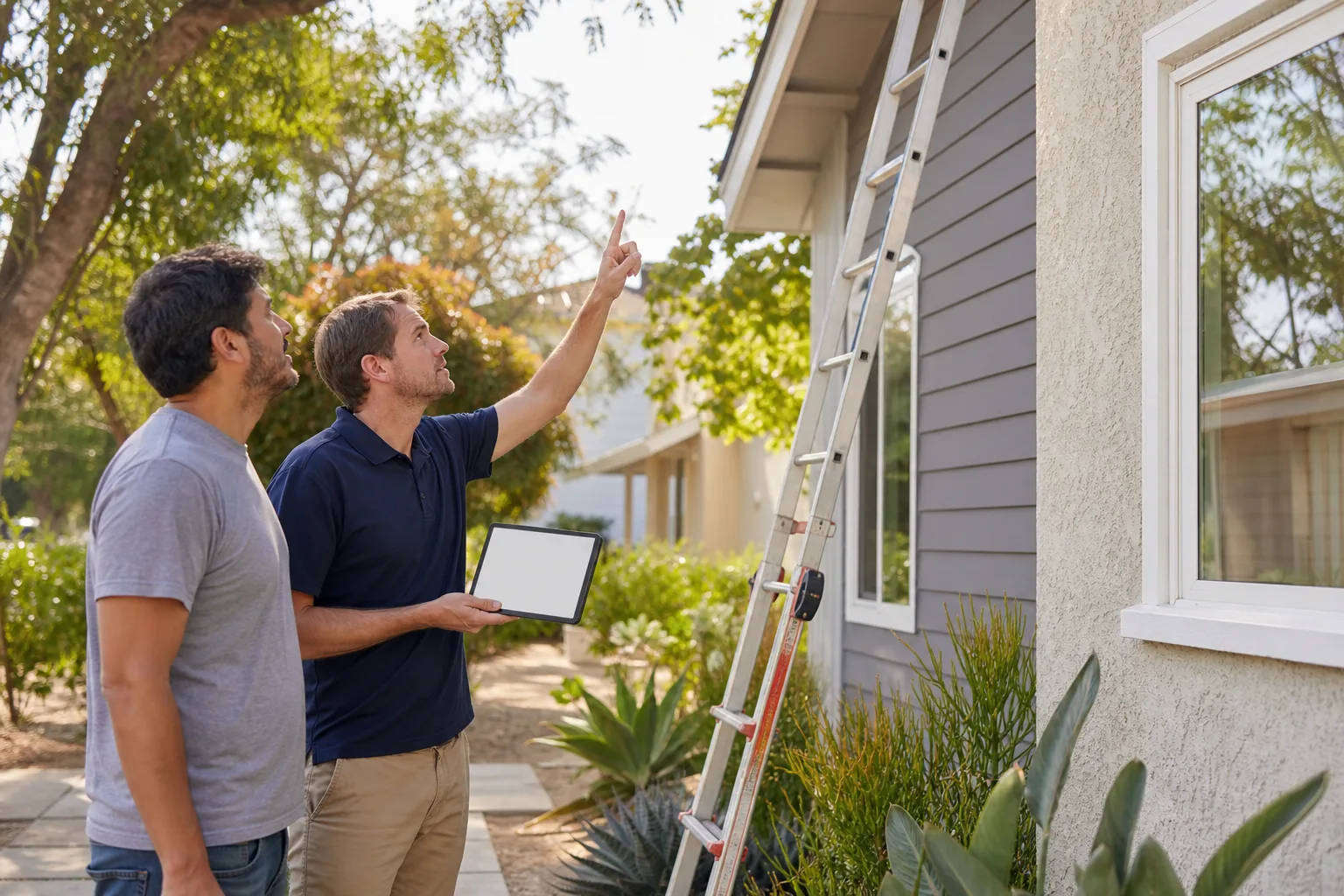
The pre-Santa Ana inspection is the most important seasonal task on a Pomona home. Aim to complete it by late September, before the first strong offshore wind event. The goal is to find every opening in the exterior envelope and close it while the weather is still calm.
- Walk the exterior wall in sections. Look for hairline cracks in stucco, especially at the corners of window and door openings, where movement concentrates. Note any crack wider than a credit card edge.
- Check every caulk joint. Window perimeters, door frames, hose bibs, utility penetrations, and the joint where siding or stucco meets trim. Caulk that’s cracked or has pulled loose is the number one source of wind-driven water problems.
- Inspect roof penetrations. Vent pipes, skylights, and chimney flashing are where the wind does its worst. Look for lifted or curled shingle edges, granule loss, and any visible gap at a penetration.
- Clear the roof and gutters. Debris becomes a projectile in a Santa Ana event, and packed gutters back water up under the roof edge. Clear them before the wind season, not after.
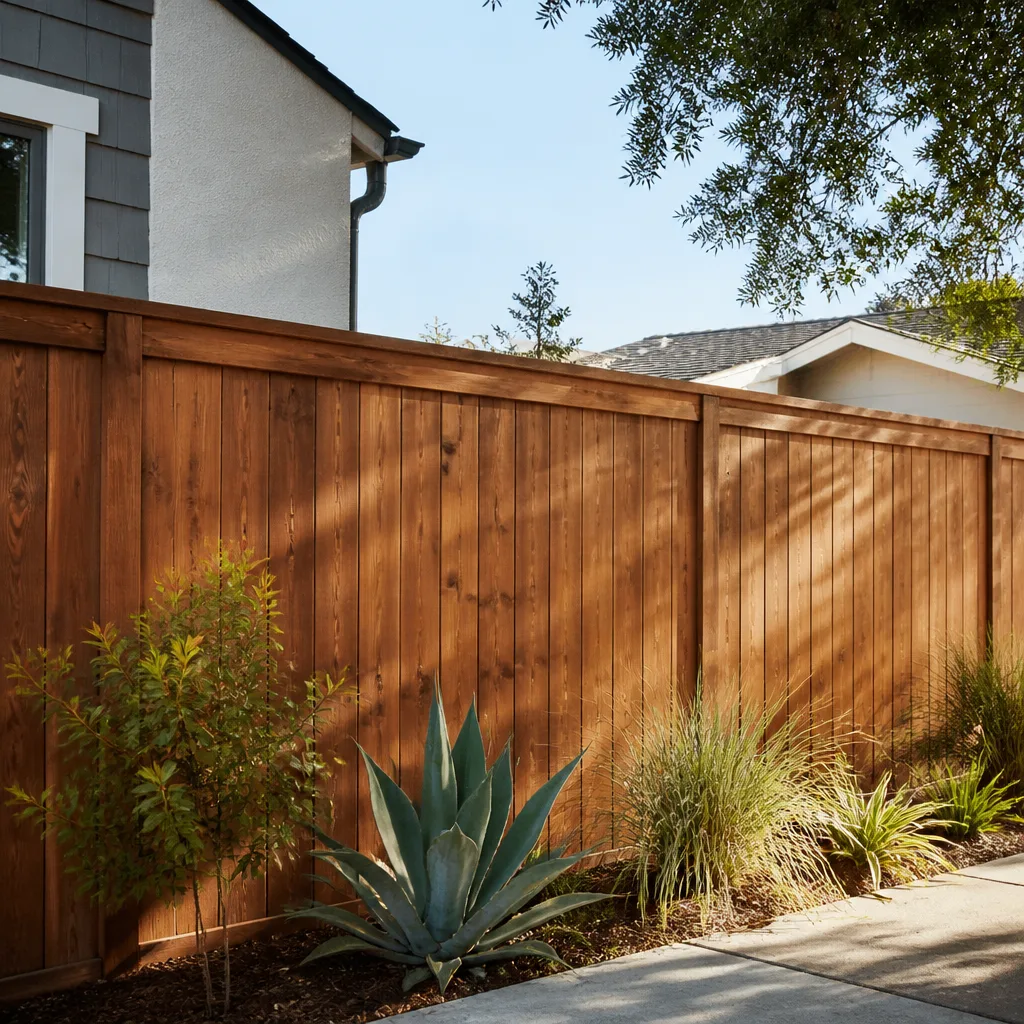
- Check the fence line and gate hardware. Loose posts and rusted hinges fail in high wind. Tighten or replace hardware before the wind gets a chance to torque the panels.
- Look at the hardscape and driveway edges. Wind-driven dust and grit work into paver joints and driveway seams. Refill joint sand where it has washed or blown out.
- Test irrigation heads to confirm they’re aimed at plants, not at the house, so overspray isn’t hitting the exterior wall every cycle.
None of these steps is complicated. The value is doing them in sequence and on a schedule, because the cracks you find in September are the water intrusion you’re not chasing in February. A pre-wind exterior inspection once a year covers most of it. When you’re resealing stucco and caulk joints, matching materials to the surface matters more than the brand name, so confirm compatibility before you apply anything.
Summer Heat: What Survives It and What Fails Early
Pomona’s heat window is long enough that materials don’t just get hot, they age. Sun exposure and daily temperature swings wear out some products much faster than others, and knowing which is which helps you plan replacements before failure.
Composite decking is a good example. Quality boards hold up well in Pomona’s heat, but cheap composite boards expand and contract more aggressively with the daily temperature swing, and over time that shows up as surface checking, fade, and joint gaps. The same logic applies to exterior paint: a coating formulated for high sun exposure and heat cycling lasts years longer than a general-purpose exterior paint. Vinyl fencing and vinyl trim have similar issues, and in strong sun they can warp or become brittle over time.
Roofing is where Pomona’s summer really does its work. Asphalt shingles age fastest in this climate because of the combination of heat and UV. That’s why the material tier matters. An impact-rated or designer shingle from a manufacturer like IKO, Atlas, or Tamko with a strong heat and UV rating usually holds up better here than a basic builder-grade shingle, and the difference shows up in how long the roof stays sound before it needs replacing. When we help homeowners plan a replacement, the roof material choice is really a decision about how many Pomona summers the roof will see.
A few summer-specific habits worth building in:
- Rinse the driveway and hardscape during the hot months to slow surface degradation and prevent heat staining.
- Check exterior paint on south and west-facing walls first, since those take the most direct sun.
- Keep an eye on wood trim and fascia, which dry out and split faster in sustained heat.
- Inspect your irrigation timer and drip lines during the heat window, since a leak or misdirected head can soften the soil against a foundation or erode a planter bed.
Heat damage is cumulative and mostly invisible until it fails. If you notice early signs of a fading roof, brittle deck board, or chalking paint, get it documented and budget the replacement before it becomes a repair.
Pomona’s Rare Freeze Events and What They Damage
Pomona does not see the hard winters of the mountain communities to the north, but it does get occasional cold snaps where overnight temperatures drop near freezing. Those events are rare but real, and they tend to hit a few specific things.
Irrigation systems are the classic casualty. Sprinkler valves, backflow devices, and exposed PVC lines are usually the first to fail in a freeze, and the damage often goes unnoticed until the system is turned on in spring. If a cold snap is forecast, shut off the irrigation and drain the lines, or have a technician check the valve box and backflow assembly. It’s a small step that prevents a much bigger repair.
Exterior tile grout is the other thing that reacts to cold in Pomona. Grout and the thin-set beneath it expand and contract with temperature, and a rapid freeze can widen existing hairline cracks or cause tiles to loosen, especially on patios, entryways, and outdoor steps. Cracking in tile grout is worth addressing quickly, since water that gets behind the tile during the next rain can cause more damage than the cold did.
Beyond irrigation and tile, the freeze window is a good time to check:
- Exterior caulk and sealant for cold-season cracking, which then opens up in the wind window.
- Fence posts and gates for ground movement after a hard cold snap.
- Any exposed plumbing on an exterior wall, including hose bibs, so a cold night doesn’t leave you with a burst line.
None of this is hard, but it’s easy to miss because Pomona winters are mild enough that most people don’t think about cold at all. The short version: treat a freeze warning as a cue to check irrigation and tile, then move on.
The 48-Hour Post-Rain Inspection Protocol
Pomona’s clay-heavy soil changes how water behaves on a lot, and drainage failures show up 48 hours after a storm rather than during it. That lag is why the post-rain inspection is a separate task from the pre-wind one, and why it’s worth doing in a specific order.
- Walk the lot the day after the rain stops. Look for standing water, soggy patches, and any area where the ground stays soft longer than it should. Clay soil sheds water slowly, so a persistently wet spot means water isn’t draining away from the house.
- Check the base of every exterior wall for water staining. A dark band at the bottom of a stucco wall, or a wet patch on a concrete patio slab, is where water pooled against the structure.
- Look at the grading around the foundation. Soil should slope away from the house, not toward it. A rain event is the easiest time to see that slope in action.
- Check the driveway and paver joints. Standing water at the edge of a driveway or between pavers means the pitch is off or the joint sand has washed out.
- Inspect the roof and attic the day after the storm, not during it. Look for water stains on the attic sheathing or ceiling below a roof penetration, and check the flashing at chimneys and skylights.
- Check the gutters and downspouts. Confirm water actually leaves the roof and lands where it’s supposed to, not against the foundation or into a planter bed.
The 48-hour window is the useful one because that’s when water has finished moving through the soil and shows you where it went. A quick walk on day two beats a slow leak you find weeks later. If you see water where it shouldn’t be, write it down and photograph it – a contractor can tell a lot from a photo of a wet spot on clay soil.
Seasonal Tasks That Are Genuine DIY and Those That Aren’t
Some seasonal maintenance is well within reach for a homeowner with a ladder and a free afternoon. Other tasks look simple and aren’t, and getting them wrong creates problems that cost more than the original job.
Genuine DIY tasks in Pomona:
- Clearing roof and gutter debris from the ground with an extension tool, if it can be done safely without climbing.
- Refilling paver joint sand and tightening fence hardware.
- Washing down exterior walls and hardscape.
- Checking caulk joints by hand and flagging the ones that need replacing.
- Testing irrigation heads and adjusting spray direction.
Tasks that call for a professional:
- Re-flashing roof penetrations. This is the one to be careful with. Flashing work happens at height, requires the shingles around it to be lifted and reset correctly, and a bad flashing job is worse than the leak you started with. It also has a real fall risk.
- Any roof work at height, especially on steep pitches. Height is the most dangerous part of the job.
- Structural cracking or movement in walls or foundations, which needs a trained eye to assess.
- Exterior electrical and any work near panel or wiring, which is dangerous and requires a licensed electrician.
- Gas lines and anything connected to them, which is not a homeowner task under any circumstances.
If a job involves height, gas, electrical, or structural work, stop and bring in a licensed professional. A homeowner who handles the cleaning and easy inspection and calls in a pro for the flashing and structural questions ends up ahead.
Materials That Hold Up in Pomona’s Climate
Material choice is the biggest lever you have on how often you repeat seasonal maintenance. A few categories are worth planning around, and the difference tends to show up in how the product handles heat and sun.
For the roof, the roofing manufacturer lineup matters more than most homeowners realize. A shingle with a high heat and UV rating from a manufacturer like Boral or Atlas will typically outlast a builder-grade product in Pomona’s heat window. Different manufacturers approach impact and heat resistance differently, so the right choice depends on your budget and the warranty tier you want, not a one-size pitch.
For hardscape, the material grade matters just as much. Interlocking pavers with published engineering specs and warranty programs handle the heat expansion and winter rain better than cheap, thin pavers. Higher-tier concrete and clay pavers with proper base preparation hold up to the seasonal cycle without the settling and shifting you see on undersized pavers.
Windows and doors are the other category worth matching to the climate. In Pomona, the priority is glass and frame performance under heat and sun, along with good sealing. When you’re planning a window replacement, look at the frame material, the glass performance, and the seal detail, then let those guide the brand choice.
For cabinetry, countertops, and fixtures inside the house, the climate matters less, but the same logic applies: brand-name materials with clear documentation and warranty coverage are easier to maintain and easier to repair. That’s the reasoning behind a curated brand roster covering cabinetry, countertops, fixtures, roofing, windows, doors, fencing, and hardscape – each product is chosen for a track record, not a price point.
A Year-Round Maintenance Plan for Pomona Homes
Here’s how the whole cycle fits together on a calendar for a Pomona home. Adjust the months slightly to match the weather each year.
- Late spring (May): Clean exterior walls and hardscape, test the irrigation system, and check the exterior for heat damage that showed up over the winter.
- Summer (June to August): Monitor the roof, decking, and exterior paint for heat effects. Stay on top of paver joints and fence hardware.
- Late summer (September): Run the pre-Santa Ana checklist. Reseal caulk joints, inspect roof penetrations, clear the roof and gutters, and tighten the fence line.
- Fall (October to November): Watch for wind damage after the first big event and schedule repairs before the rain window opens.
- Winter (December to March): Run the 48-hour post-rain inspection after the first real storm, check irrigation and tile after any freeze warning, and plan any larger projects for the calmer months.
For larger work, the quieter window between rain events is the practical time to schedule projects. If your maintenance walk keeps turning up the same problems – a failing roof, a driveway that pools water, a fence line that won’t stay upright, or a house that’s outgrown its footprint – those are worth pricing as a project rather than patching piecemeal. Our team handles roofing, driveway & pavers, fence installation, and home additions & ADU work across Pomona, so a single inspection can cover the whole property and tell you what’s maintenance and what’s replacement. Homeowners managing that round of work often find it easier to keep Construction Pomona as the one contact across the exterior envelope and the interior living spaces. Our technicians have up to 8 years of experience and work with name-brand materials across every phase.
Common Mistakes to Avoid
- Waiting until the first rain to inspect the exterior. By the time water is coming in, the wind window already opened the gap. Seal in September, not December.
- Skipping the post-rain walk on day two. Pomona’s clay soil holds water and drains slowly, so the drainage failure shows up after the storm, not during it. A day-two walk catches it before it becomes a foundation issue.
- Assuming a mild winter means no cold damage. Pomona’s freeze events are rare but real, and irrigation and tile grout take the hit. Check them after any freeze warning.
- Ignoring hairline stucco cracks because they look small. In the wind window, small cracks widen, and in the rain window they become entry points. Seal them while they’re still hairline.
- Re-flashing a roof yourself because it looks simple. Bad flashing is worse than the original leak, and the fall risk is real. This is one to hand to a licensed professional.
- Buying builder-grade shingles or pavers to save money. In Pomona’s heat, the lower tier fails sooner, and the replacement cost outweighs the savings. Buy the material tier that matches the climate.
- Treating maintenance as a one-time project. Seasonal care is a rhythm, not a checklist you run once. The value comes from repeating it every year.
See the difference
 Before
 After
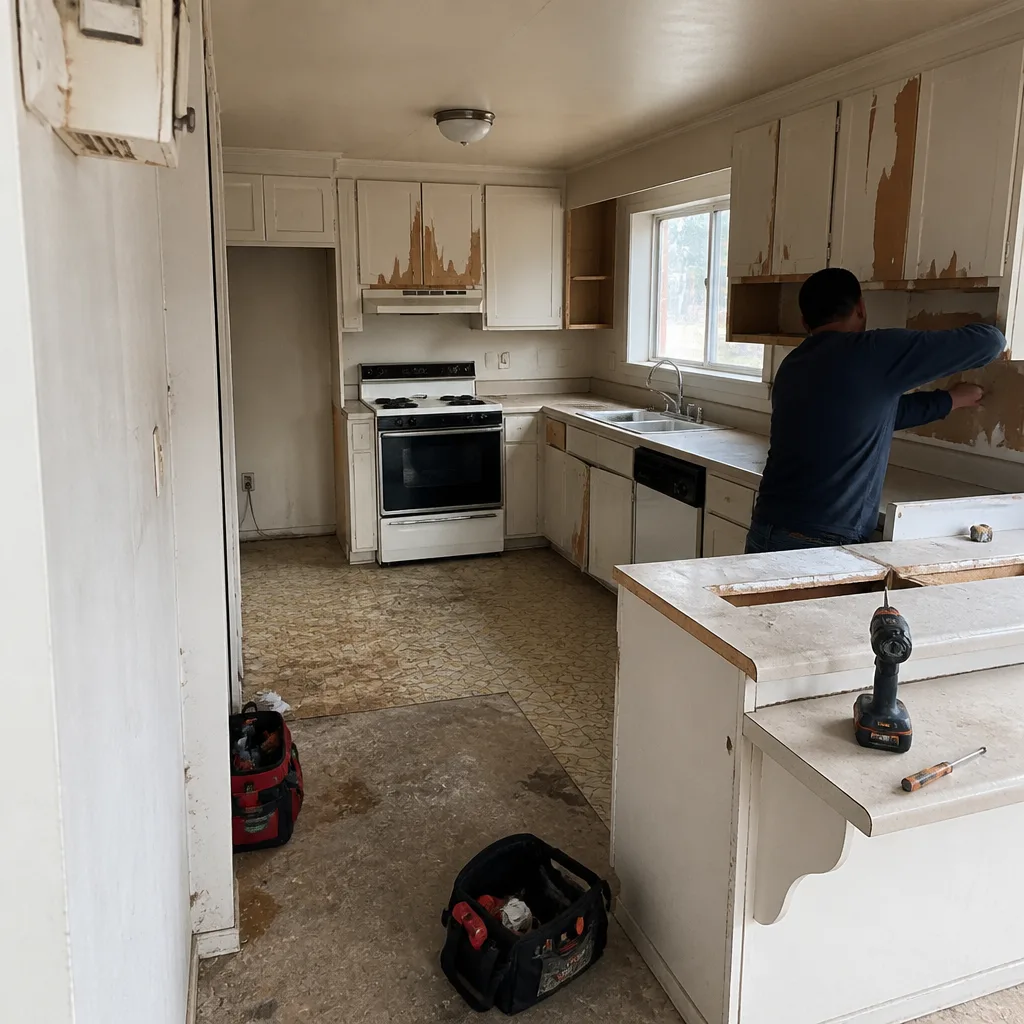 Before
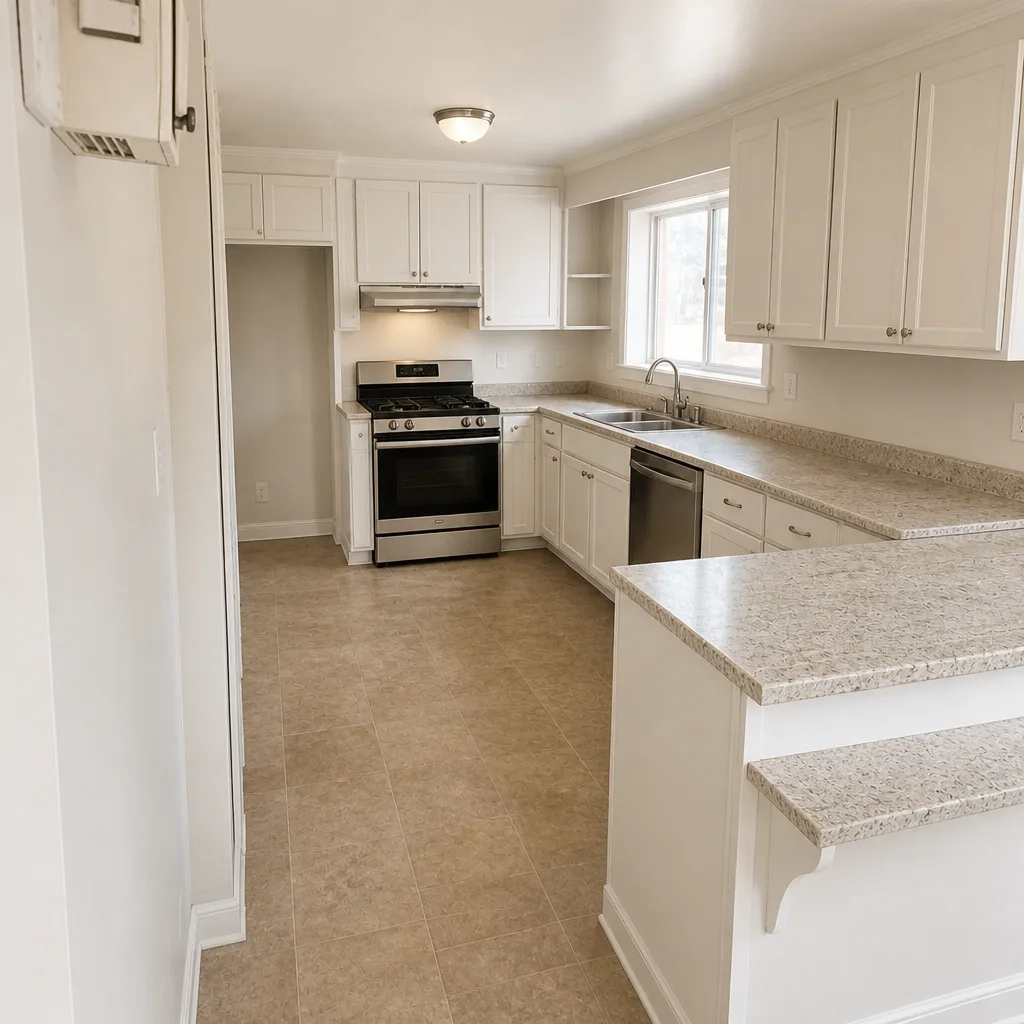 After
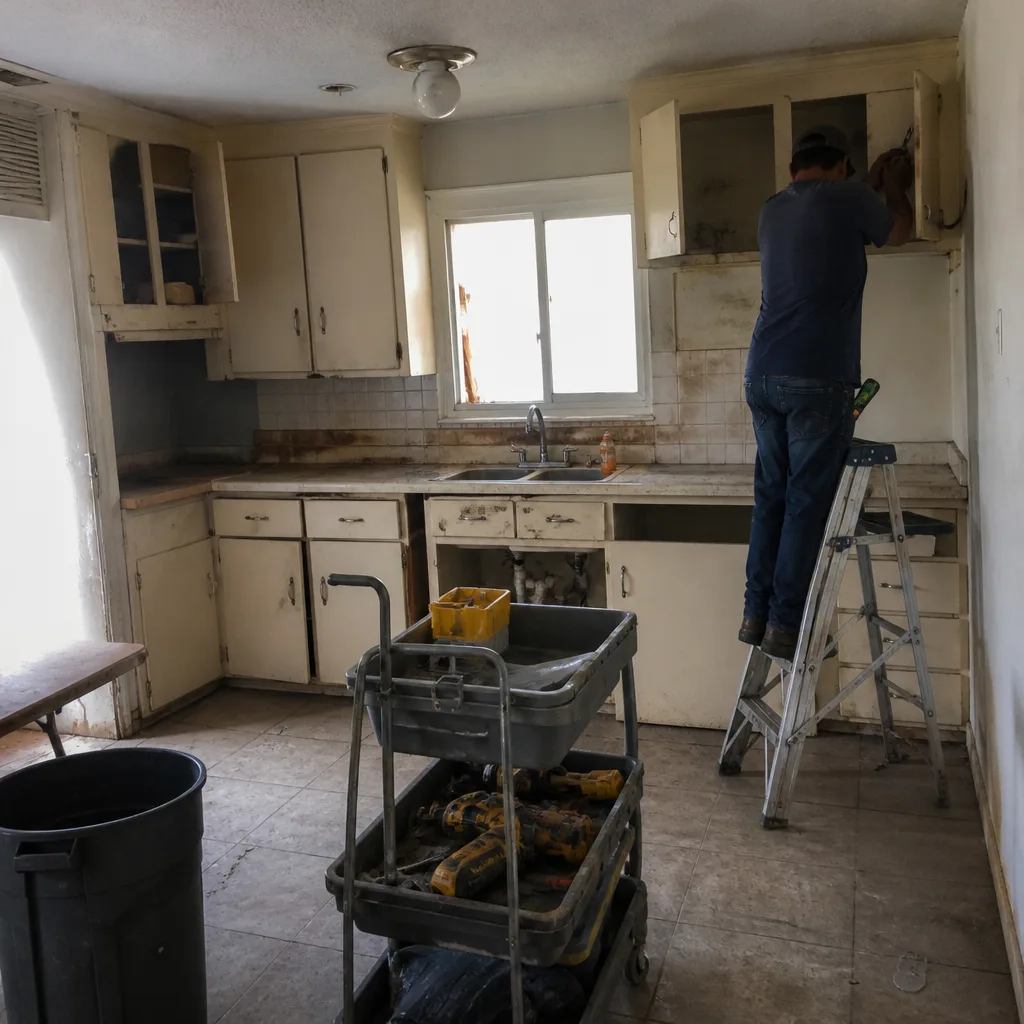 Before
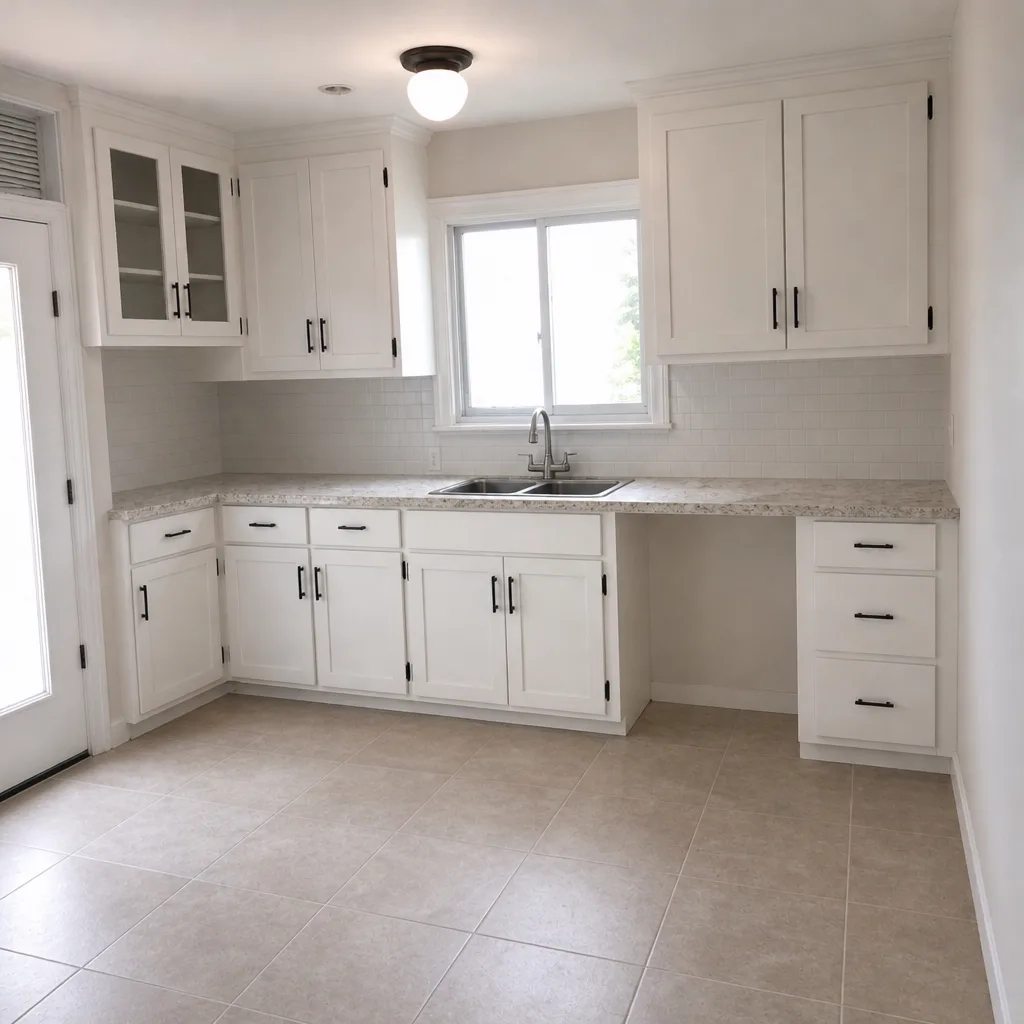 After
When to Call a Professional
Call a licensed professional when the seasonal walk turns up anything at height, anything connected to gas or electrical, anything structural, or any roof penetration that needs re-flashing. Also call when a maintenance issue starts repeating – a driveway that pools water every storm, a fence line that leans again after every wind, or a roof that needs patching more than once. Those aren’t maintenance problems anymore; they’re signs the material or the installation has reached the end of its life. Construction Pomona offers free estimates in Pomona – call (844) 320-5194. We answer 24/7, with fast dispatch from 7am to 7pm, Sunday through Friday. Every estimate is a written, line-item quote, so you know the scope and the price before anything starts.
Frequently Asked Questions
Schedule the pre-wind inspection by late September, complete heat-related checks through the summer, and run the post-rain drainage inspection within 48 hours of the first significant winter storm. The order is what matters, since the wind window opens the gaps the rain window finds.
Yes, on occasion. Pomona’s winters are mild but the area does get rare freeze events where overnight temperatures drop near freezing, and those cold snaps are when irrigation valves, backflow devices, and exterior tile grout take the most damage. Check them after any freeze warning.
Drainage failures often show up about 48 hours after the rain stops, because Pomona’s clay-heavy soil drains slowly. Walking the lot on day two is the most reliable way to find where water is pooling and which direction it’s moving around your home.
No. Re-flashing a roof penetration requires working at height, lifting and resetting the surrounding roofing material, and getting the seal right, and a bad flashing job is worse than the original leak. It’s a job for a licensed professional, and the fall risk makes it a safety issue as much as a quality one.
Inspecting and resealing the exterior envelope before the fall wind season. Caulk joints, stucco cracks, and roof penetrations are the openings the Santa Ana winds widen, and closing them in September prevents the water intrusion that shows up in February.
If the same issue returns after a repair – a roof that needs patching again, a driveway that pools water every storm, a fence that leans after every wind – the material or installation is likely at the end of its life, and a replacement is the better investment. A free estimate with a written scope will tell you which category you’re in.
Call (844) 320-5194 to schedule a free estimate and get a written, line-item quote for whatever the seasonal walk turned up. We answer 24/7. Fast dispatch from 7am to 7pm, Sunday through Friday.
The Bottom Line
Pomona’s seasons run as a sequence, not a cycle: heat ages the materials, wind opens the envelope, and rain finds the gaps. Work with that order and most maintenance problems get caught while they’re still small. Seal the exterior before fall, watch the roof and hardscape through the heat, check irrigation and tile after any freeze, and walk the lot 48 hours after every storm. The tasks that stay DIY are the inspections and the easy fixes; the ones at height, near gas or electrical, or involving roof penetrations belong to a licensed professional. Build the rhythm once, and the house holds up for years.
Written by the team at Construction Pomona.