Last updated November 18, 2026



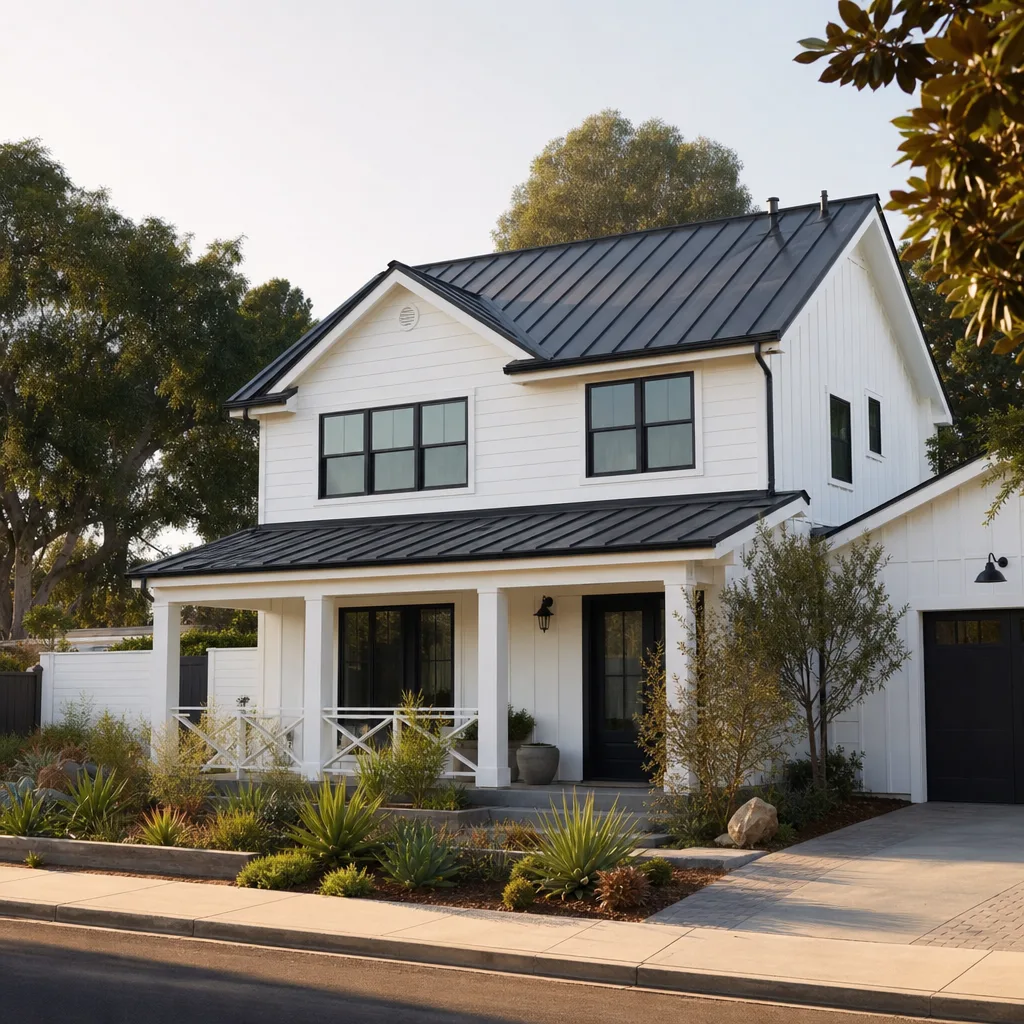
Free written scope consultation - allowances, timeline, and change-order rules on paper before a single trade is scheduled
Construction Emergency Preparedness Guide for Pomona Homes
Most homeowners in Pomona picture a collapsed wall when they think about earthquake damage. In our experience, that’s rarely the part that costs the most. The expensive damage usually hides in plain sight: a cracked supply line that runs for an hour before anyone notices, a gas connector that snapped at the fitting, a chimney whose mortar joints opened and let water in for a season before the ceiling showed a stain. The structure held, but the systems inside it didn’t. This guide walks through how to prepare each part of a Pomona home for the three emergencies that actually shape this region, and what to do in the first days after one hits.
Quick Answer
Emergency preparedness for a Pomona home means treating seismic, wildfire, and flood risk as three separate construction problems with three separate fixes: bolting and bracing the frame and water heater for shaking, hardening the roof and defensible space for fire, and protecting drains, slopes, and entry points for flash flooding. Document everything before an event, know where your shutoffs are, and repair the water intrusion and broken openings in the first 72 hours so a small problem doesn’t become a structural one.
Styles & brands we work with
- Kitchen remodeling
- Bathroom remodeling
- Home additions & ADU
- Roofing
- Windows & doors
- Driveway & pavers
- Fence
Table of Contents
- Why Seismic Retrofitting Comes First in Pomona
- Fire Exposure and the Santa Ana Wind Pattern
- Flash Flooding from the San Gabriel Watershed
- How to Document Your Home’s Vulnerabilities Before an Event
- Emergency Shutoff Locations: Gas, Water, and Electrical
- First 72 Hours: Repairs That Stop Secondary Damage
- How to Vet Emergency Contractors in Pomona
- The Pomona Retrofitting Priority List
Why Seismic Retrofitting Comes First in Pomona
Pomona sits close enough to major Southern California fault systems that moderate shaking is a real, recurring possibility, not an abstract one. The homes that handle it best are the ones where the frame is tied to the foundation and the heavy equipment is strapped down. The homes that handle it worst are often the older ones, built before modern bracing practices became standard.
Pre-1980 housing stock is the group that needs the closest look. If your home was built in that era, three items matter most:
- Cripple wall bracing. The short stud wall between the foundation and the first floor is the weak link in a lot of older Pomona homes. Sheathing it with structural panels and adding anchor bolts ties the house to its foundation so the frame moves with the ground instead of sliding off it.
- Water heater strapping. An unstrapped tank is a heavy, top-balanced object that tips easily. Two straps, one in the upper third and one in the lower third, plus a flexible gas connector rated for the movement, keeps it in place. A tank that tips can rupture its own supply line and flood a garage or closet.
- Chimney assessment. Masonry chimneys crack at the mortar joints and at the roofline. Those cracks are often invisible from the ground, and they let water in months before a stain appears on the ceiling. A proper assessment checks the crown, the flashing, and the joints along the full height.
Foundation bolting and cripple wall work are permitted structural jobs in most Pomona-area jurisdictions, and they need a licensed contractor and an inspection. Strapping a water heater and bracing a chimney are smaller line items, but they belong on the same checklist. If you’re already planning exterior work, the same crew relationship can handle driveway & pavers and the structural items in one coordinated scope rather than three separate hires.
Fire Exposure and the Santa Ana Wind Pattern
Santa Ana winds push hot, dry air from the interior toward the coast, and when they line up with a fire in the foothills or the wildland edge, embers travel well ahead of the flame front. The construction lesson is specific: most homes that burn in a wind-driven fire are ignited by embers landing on something combustible, not by a wall of flame reaching the house.
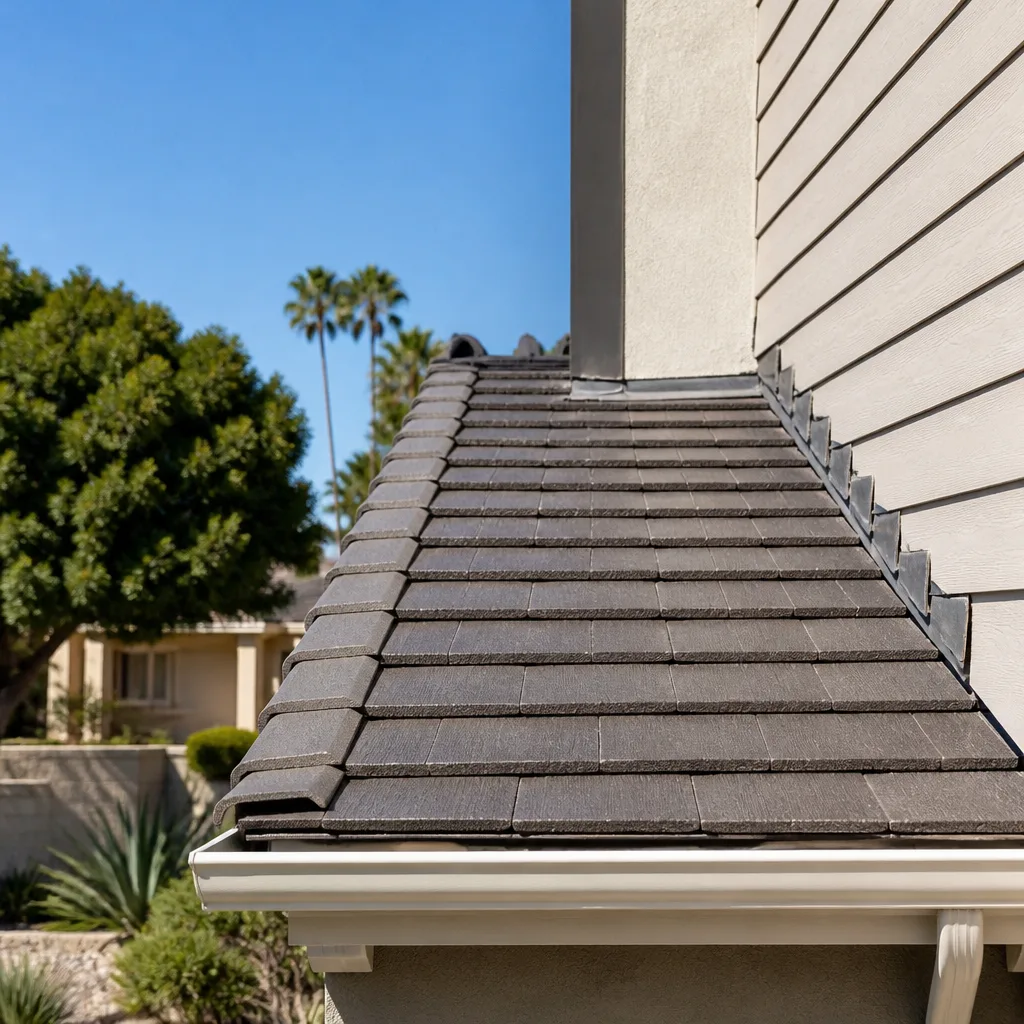
That means fire preparation is largely a roofing, venting, and gap-closing job. Start with the roof assembly. Class A rated roofing systems are the baseline, and the difference between a budget and a premium option often comes down to the underlayment and the fire rating documentation. Our roofing lineup spans seven major manufacturers, including options rated for fire exposure, so the material can be matched to the warranty tier and the rating you need rather than a single default pitch.
Then close the entry points embers exploit:
- Cover attic and foundation vents with mesh sized to block embers.
- Replace or repair any wood shake roofing, which is the most ember-vulnerable surface on a roof.
- Seal gaps at eaves, fascia, and where the roof meets a wall.
- Keep the first five feet around the house clear of bark, mulch, and stored material.
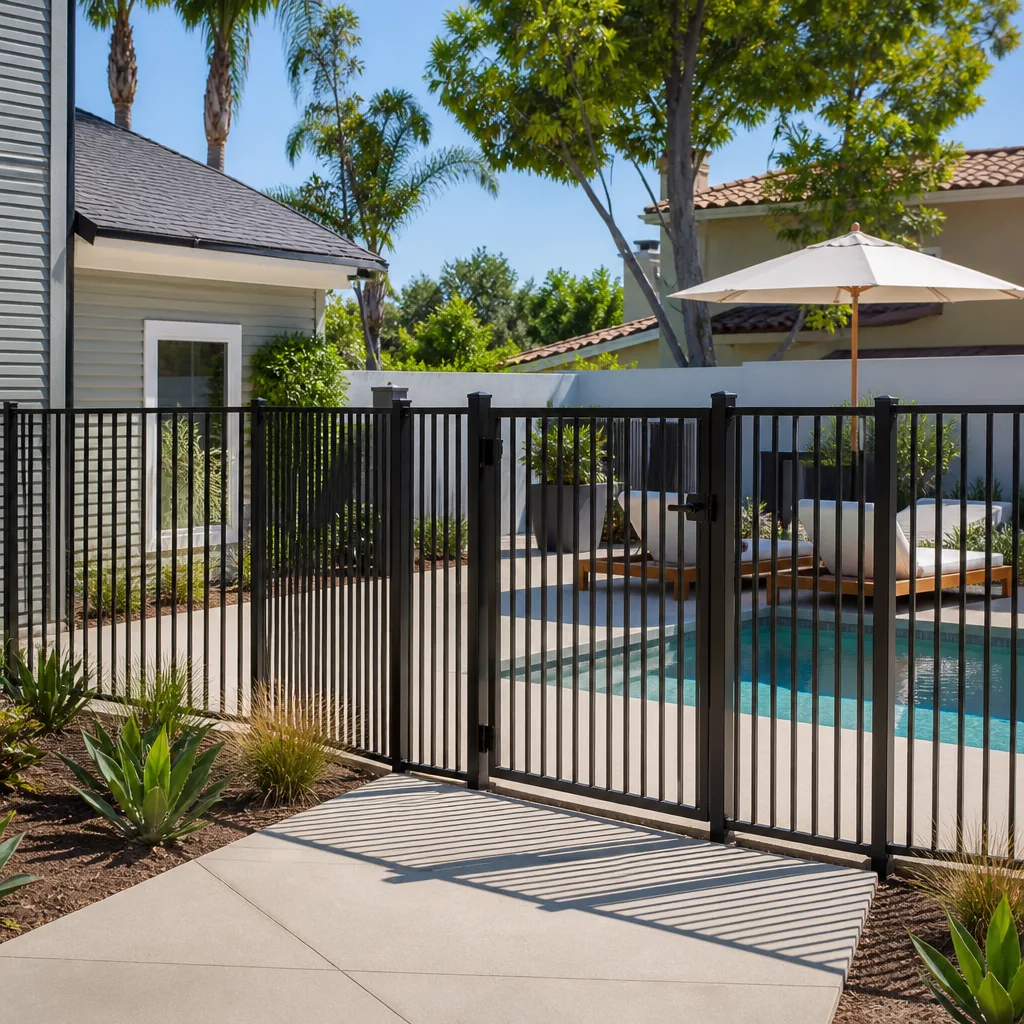
- Check that fences attached to the house are non-combustible or have a metal gate section as a break, since a wood fence can carry fire right to the siding. fence installation with a fire break detail is worth planning before fire season, not after.
Flash Flooding from the San Gabriel Watershed
The San Gabriel Mountains sit directly above the Pomona Valley, and the watershed drains toward the flats. When a heavy storm hits the burn scars or the steep canyons, water arrives fast and carries debris with it. Homes on the valley floor can see pooling in low spots; homes near the base of the foothills see sheet flow across driveways and yards.
Flood preparation is a drainage and grading problem before it’s a sandbag problem. Walk the property during a light rain and watch where water actually goes. Look for:
- Low spots against the foundation where water ponds instead of draining away.
- Downspouts that discharge within a few feet of the wall.
- Driveway and hardscape that slopes toward the garage instead of away from it.
- Fence lines that dam water and redirect it into the yard.
- Any crack at a window sill, door threshold, or sliding door track where water can enter.
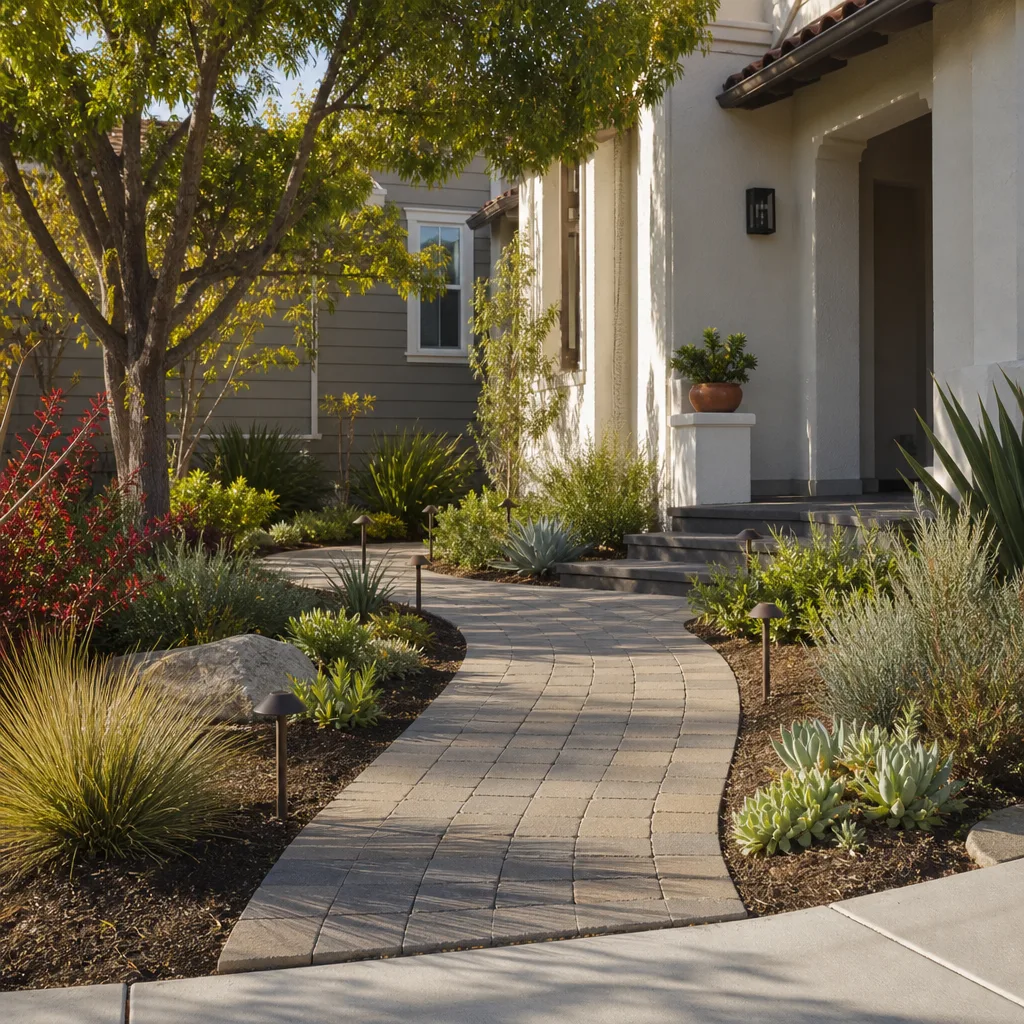
Regrading and hardscape resurfacing fix most of this. A properly sloped driveway with a channel drain is one of the more effective flood mitigations a Pomona homeowner can invest in, and it’s the same project that improves curb appeal. Window and door replacement also matters here: a poorly sealed unit leaks in a wind-driven rain, and upgrading it addresses both water entry and energy performance in one job.
How to Document Your Home’s Vulnerabilities Before an Event
Insurance claims after a regional disaster are usually won or lost on documentation. An adjuster working through hundreds of claims gives the clearest settlement to the homeowner who can prove the pre-event condition of the house. Do this work on a quiet afternoon, not during a crisis.
- Photograph every room and system. Wide shots and close-ups. Open cabinet doors, photograph under sinks, and shoot the water heater, furnace, and electrical panel from several angles.
- Film a slow walk-through. Narrate what you see. A continuous video is hard to dispute and captures context a still photo misses.
- Record the roof. Photograph the roof surface, the flashing, the chimney, and the vents. If you have a roofing installer’s documentation with material names and warranty terms, keep it with the photos.
- Note the construction era and any retrofits. Cripple wall bracing, foundation bolting, and water heater strapping all belong on the record. If a permit was pulled, keep the inspection signature.
- Inventory the contents. A written list with photos of electronics, appliances, and furniture, not just a mental tally.
- Store it off-site. A cloud folder and a printed copy outside the house. Photos stored only on a laptop in the home office are useless if the office is gone.
Emergency Shutoff Locations: Gas, Water, and Electrical
Knowing where your shutoffs are, and being able to operate them, is the single most useful five minutes of preparation a homeowner can do. Here’s how each one works and where the licensed-contractor line sits.
- Gas meter valve. Locate your gas meter and identify the shutoff valve just above it. A quarter turn with a wrench closes it. Once closed, only your gas utility should turn it back on. A damaged flexible gas connector inside the house is not a homeowner fix; a leak behind an appliance needs a licensed plumber or gas fitter to inspect and replace the connector.
- Main water shutoff. Find the valve where the water enters the house, usually near the front of the property or in a utility area. Tag it so anyone in the household can find it in the dark. Turning it off fast is often what limits water damage from a cracked supply line.
- Electrical main breaker. Open your panel and identify the main breaker at the top. Flipping it kills power to the whole house. Any panel upgrade, breaker replacement, or wiring modification is licensed electrical work. Never open a panel beyond flipping the main; that’s a job for a licensed electrician.
If your shutoff valve is frozen open, corroded, or buried, that’s a repair to schedule before an event, not during one. The same applies to a panel that’s full, obsolete, or shows signs of heat damage.
First 72 Hours: Repairs That Stop Secondary Damage
The first three days after an event decide how much of the damage is recoverable. The priority is always stopping water and securing openings, not restoring the finish. Here’s the order that protects a house best:
- Tarp the roof. Any missing shingles, opened flashing, or damaged vent gets covered. A tarp keeps the deck from soaking, and a wet deck is where mold starts. Roofing materials from a major manufacturer come with installation standards that matter here; a temporary repair that damages the underlayment is a bigger problem than the missing shingle.
- Board broken windows and doors. A broken window or opened door is a security and weather exposure at the same time. Board it, then schedule the permanent replacement.
- Extract standing water and start drying. Fans and a dehumidifier running continuously in the first 48 hours make the difference between a dry-out and a reconstruction. Pull wet insulation and drywall below the water line so the cavity can breathe.
- Assess the chimney and foundation. Cracks at the chimney, at the foundation line, or at the wall-to-ceiling transition are inspection items. Don’t paint over them.
- Photograph everything before cleanup. The claim needs the “before” as much as the repair does.
How to Vet Emergency Contractors in Pomona
Every regional disaster brings out contractors who follow the damage. Some are legitimate and busy; others collect deposits and never return. A few simple checks separate them.
- Request a written, line-item estimate. A one-number quote with no scope is a red flag. A legitimate contractor itemizes labor and materials with brand names.
- Verify the license and insurance. Ask for proof before work starts, and confirm it through the state licensing board. A contractor who hesitates on this is not one to hire.
- Be wary of door-to-door pressure. Unsolicited visits with “today only” pricing and a demand for a large deposit up front are the classic pattern. So is a contractor who wants the insurance check signed over before work begins.
- Check the brand story. A legitimate installation comes with manufacturer documentation. If a roofer can’t name the system and the warranty, they’re not installing to spec.
- Get a schedule in writing. Who is responsible for permits, inspections, and the final walk-through should be spelled out in the scope.
Construction Pomona works from a curated roster of 50+ verified brands across every project category, so the materials and the warranty paperwork are traceable. Our technicians have up to 8 years of experience, and we work with your insurer on claims documentation.
The Pomona Retrofitting Priority List
If you’re working from a budget rather than a blank check, spend the dollars in this order. Each item protects the next one up the list.
- Foundation bolting and cripple wall bracing. The highest-value seismic item for any pre-1980 Pomona home. If the frame isn’t tied down, nothing else in the house performs as it should.
- Water heater strapping and flexible connectors. Inexpensive, and it prevents a flood in the middle of a shaking event.
- Chimney inspection and repair. Cracked joints, a missing crown, and flashing that has pulled away all lead to water intrusion.
- Roof assessment and fire-rated upgrades. Rating, underlayment, and flashing details do the heavy lifting.
- Drainage and hardscape grading. Slope the water away from the house before the next storm season.
- Window and door sealing or replacement. Fix the water entry points and the energy performance at the same time.
When the scope grows beyond repair, a single contractor relationship covers the whole property, from the driveway to the roofline, in one coordinated sequence. That’s the model we built Construction Pomona around, and it’s also why home additions & ADU projects often ride alongside a retrofit: the permit and inspection work is already underway.
Common Mistakes to Avoid
- Treating the three risks as one. Seismic, fire, and flood each hit a different set of systems. A roof upgrade doesn’t brace a cripple wall, and a drainage fix doesn’t strap a water heater. Plan them separately.
- Skipping documentation because “nothing has happened yet.” The best time to photograph a house is when it’s whole. Doing it after an event is too late for the claim.
- Painting over earthquake cracks. Cracks at the chimney, foundation, and wall transitions need a structural inspection before cosmetic repair. Paint hides the evidence the inspector needs.
- Assuming the shutoff valve works. A valve that hasn’t turned in a decade may be frozen or corroded. Test it on a calm day, and replace it if it won’t close.
- Hiring the first contractor who knocks. Door-to-door solicitation with urgency and deposits is the most common predatory pattern after a regional disaster, and Pomona sees it like everywhere else.
- Patching the roof without fixing the underlayment. A shingle replacement over a saturated deck traps moisture. Replace the full assembly or don’t do it.
- Clearing the yard but ignoring the vents. Embers enter through the attic vents. Leaving them uncovered after a fire-season cleanup defeats the point.
- Self-modifying a gas or electrical system. A flexible gas connector that doesn’t meet the flex rating, or a panel that needs a new breaker, requires a licensed professional. The safety margin is too thin to guess.
See the difference
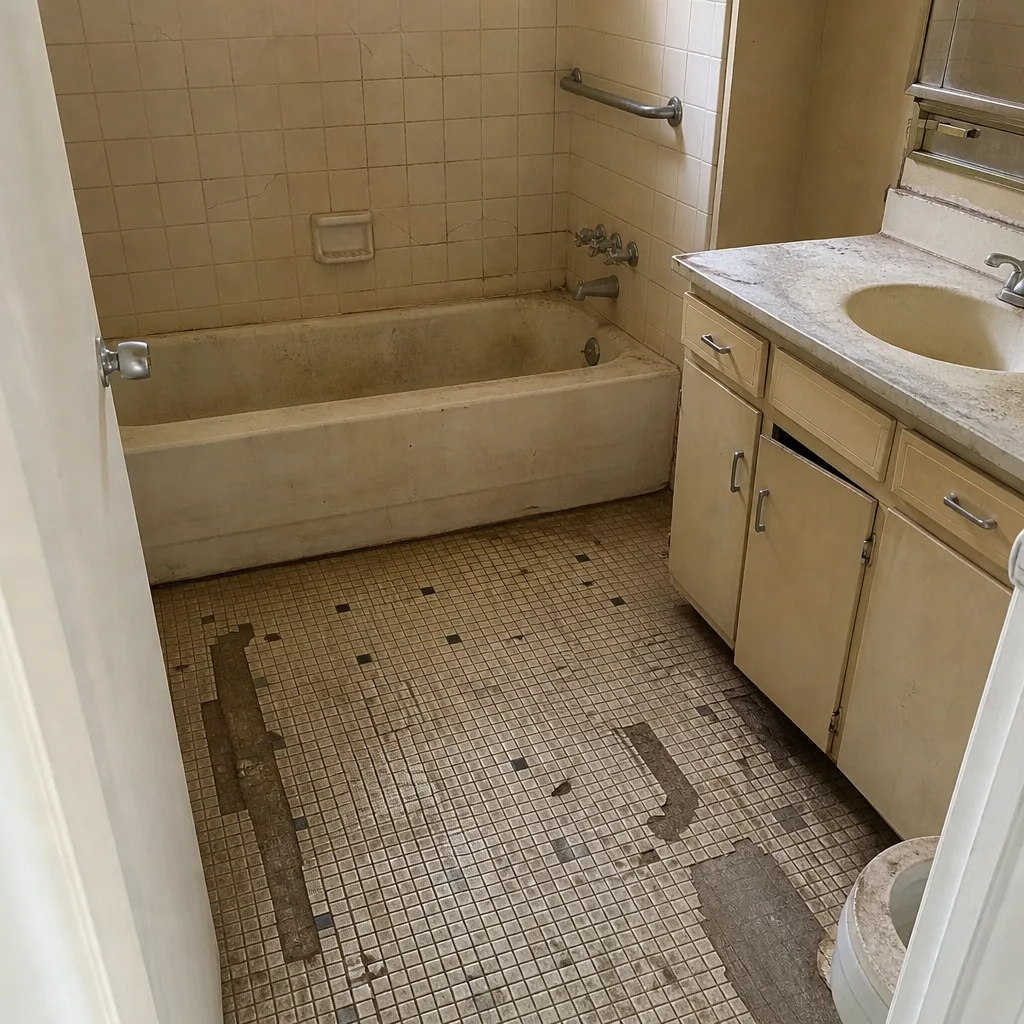 Before
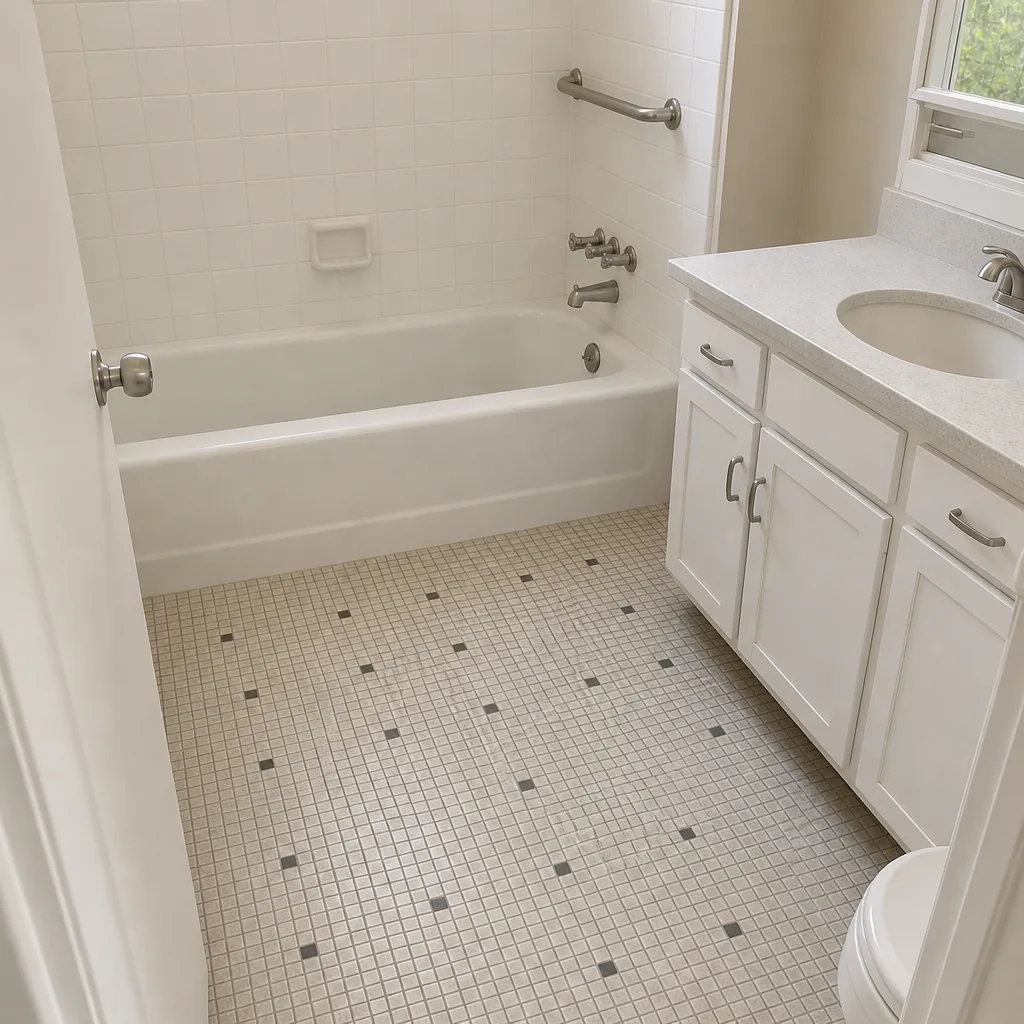 After
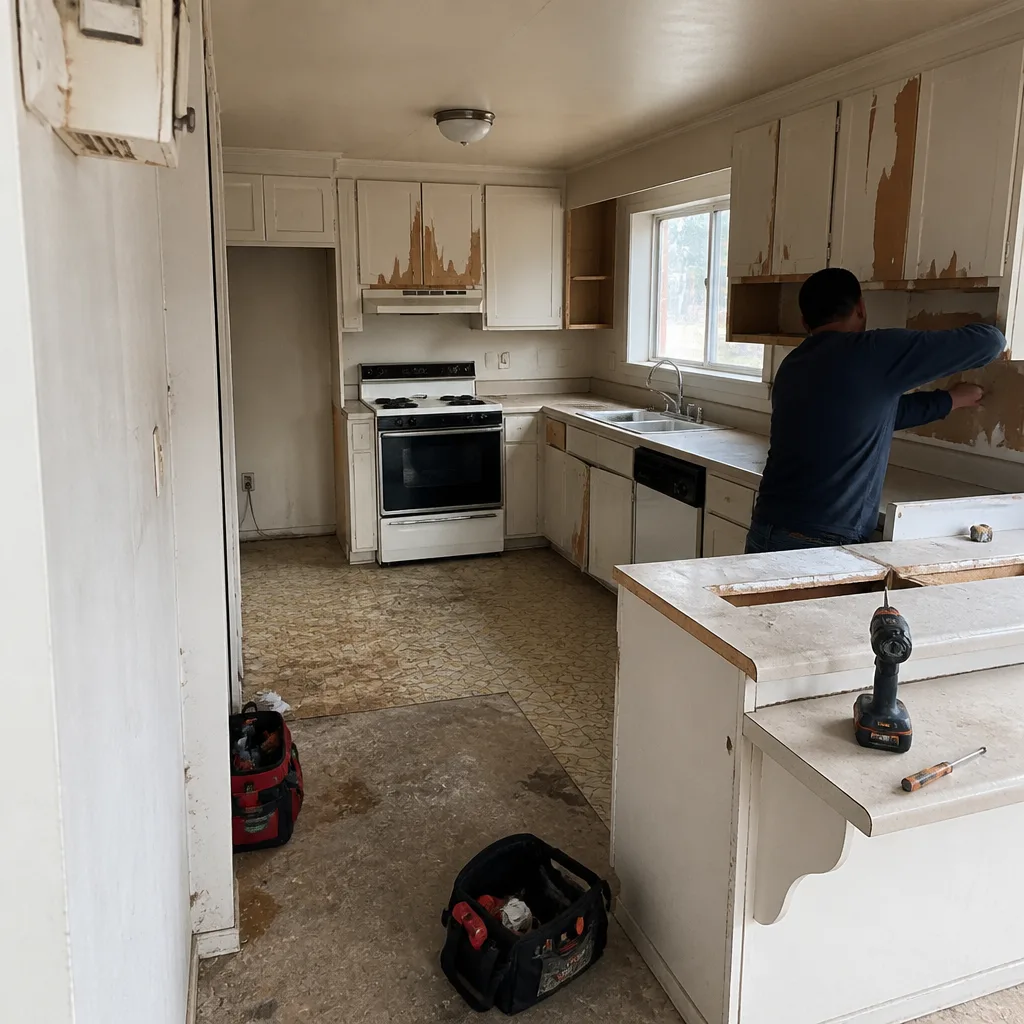 Before
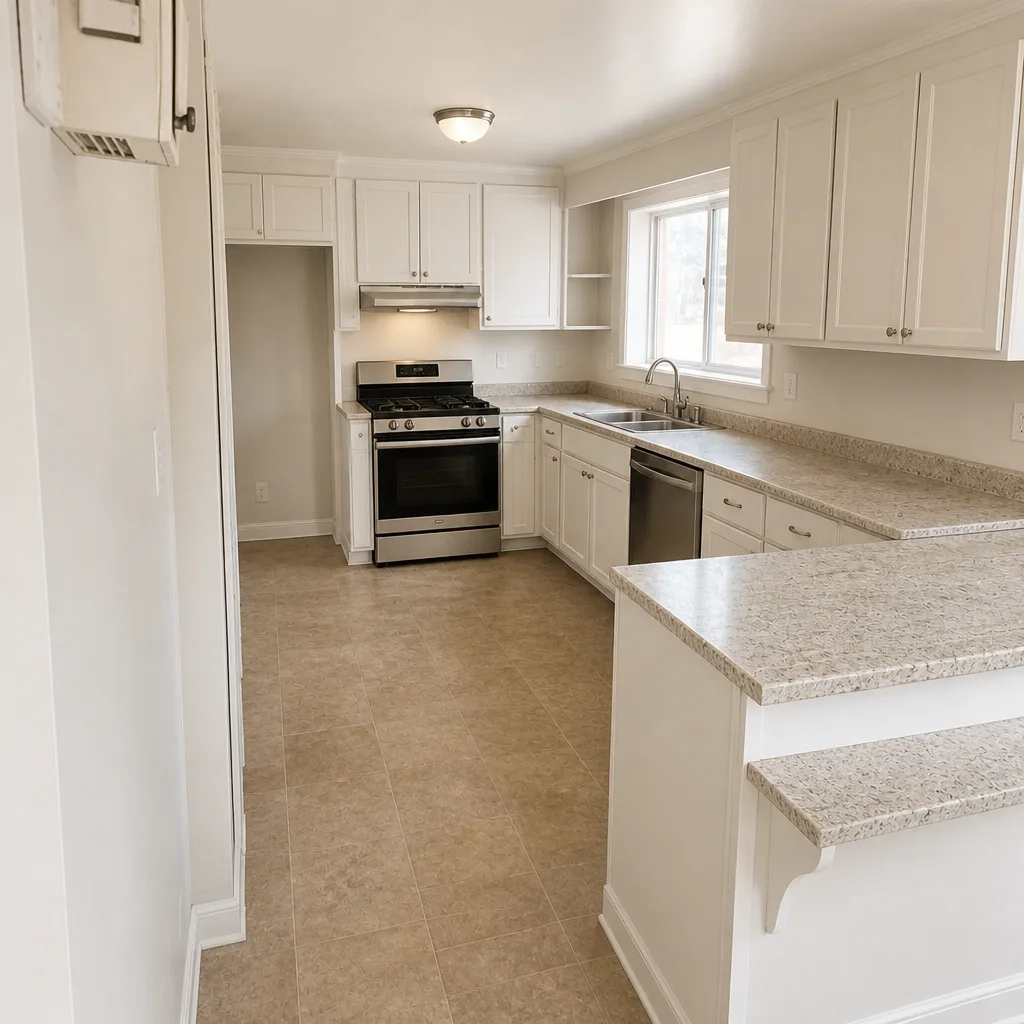 After
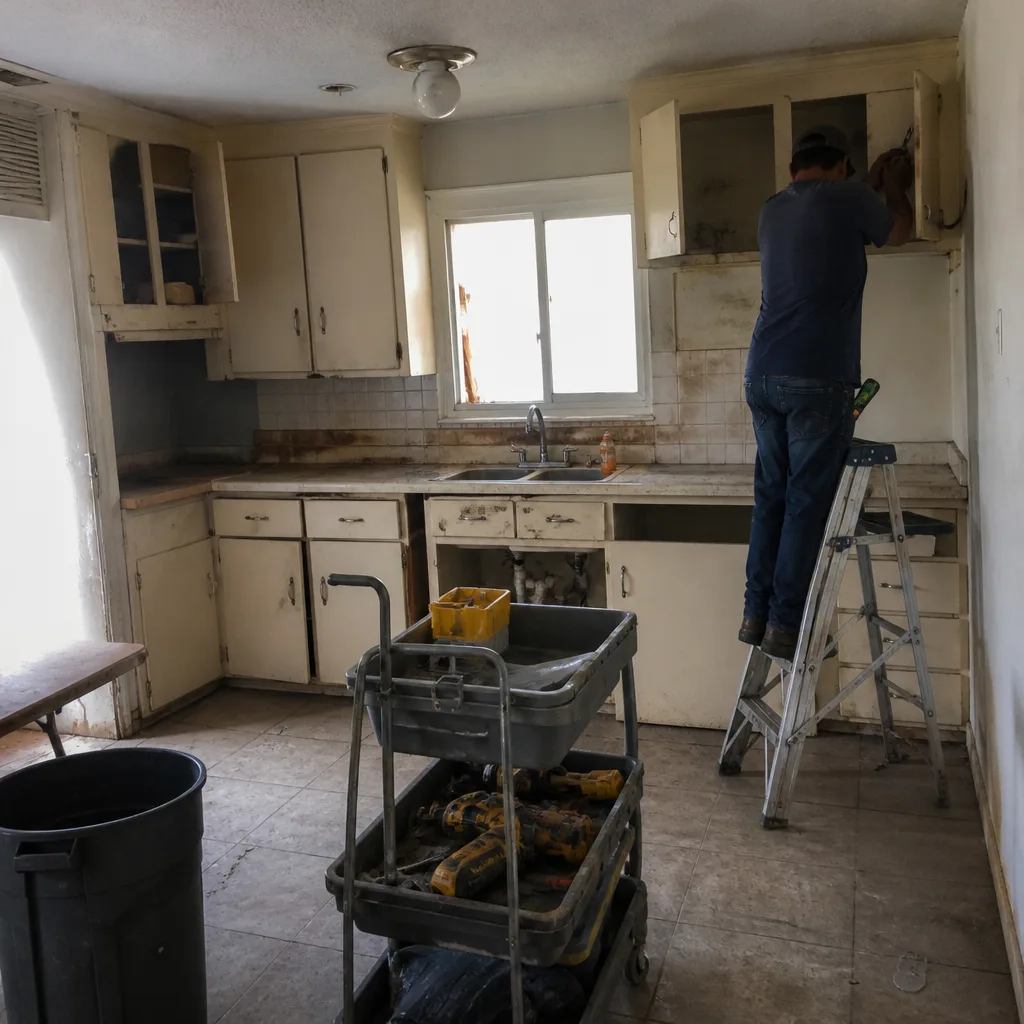 Before
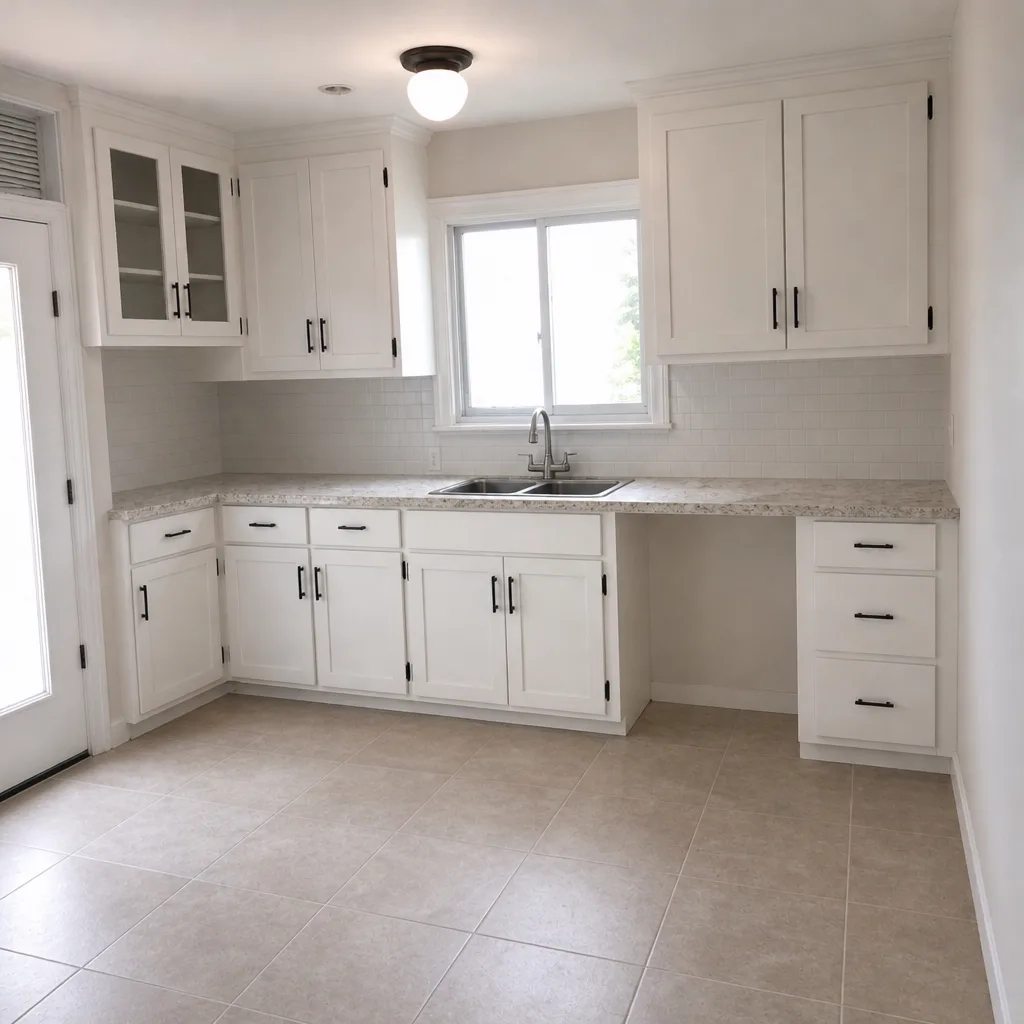 After
When to Call a Professional
Some preparation is homeowner work: identifying shutoffs, photographing rooms, clearing combustibles. Some of it isn’t. Call a licensed contractor for foundation bolting, cripple wall bracing, chimney repair, roof system replacement, gas connector replacement, panel upgrades, drainage and regrading, and window or door replacement. In the first days after an event, call for tarping, boarding, water extraction, and a structural assessment before you clean up. Construction Pomona offers free estimates in Pomona and works with your insurer on documentation. Call (844) 320-5194. We answer 24/7. Fast dispatch from 7am to 7pm, Sunday through Friday.
Frequently Asked Questions

Bolt the house to its foundation and brace the cripple walls if it was built before 1980. That single item protects the frame more than any other retrofit, and it’s licensed structural work that requires a permit and an inspection.
The gas shutoff is the valve above your gas meter; the water shutoff is where the supply enters the house. Tag both, learn to turn them, and replace any valve that won’t close. A damaged gas connector inside the house is a licensed repair, not a homeowner one.
Yes, mainly at the roof and the vents. Embers, not the flame front, ignite most homes in a Santa Ana event, so a fire-rated roof assembly and ember-blocking vent mesh are the highest-value upgrades. Windows and doors rated for fire exposure add a layer of protection too.
Tarping the roof, boarding broken openings, and extracting standing water. Those three stop secondary damage, and everything cosmetic can wait.
Ask for a written line-item estimate, verify the license and insurance through the state board, and refuse door-to-door urgency with a large deposit. A legitimate contractor will put the scope and the warranty documentation in writing before work begins.
We can work with your insurer and provide the line-item scope, material documentation, and photos an adjuster needs. That’s part of the estimate process, and the estimate itself is free.
Before. Retrofitting on your own schedule is a planned construction project with a written estimate and a set scope. Retrofitting mid-crisis is an emergency repair with greater risk. Call (844) 320-5194 to schedule a free estimate. We answer 24/7. Fast dispatch from 7am to 7pm, Sunday through Friday.
The Bottom Line
The Pomona emergency triad hits three different parts of a house: shaking tests the frame and the gas connectors, fire tests the roof and the vents, and flood tests the drainage and the openings. Prepare each one on its own terms, and the house holds up far better. Document everything before an event, learn your shutoffs, and know that gas, electrical, and structural work belongs with a licensed contractor. The estimate is free and the price is set by a written line-item quote, so there’s no reason to guess at the scope.
Written by the team at Construction Pomona.